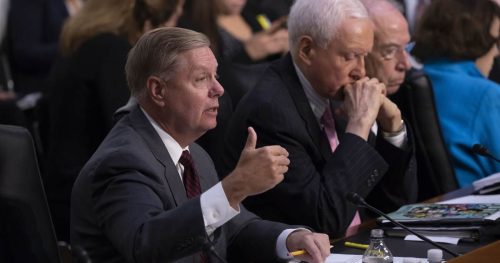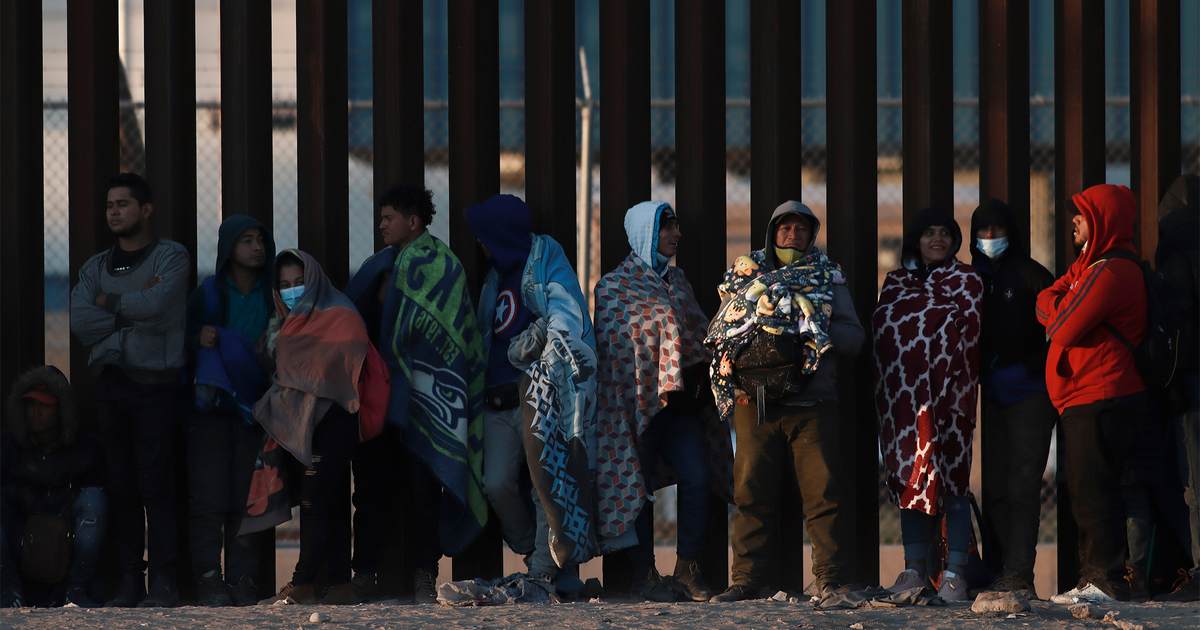
A group of House members — including 20 Republicans — signed on to a bill that would grant a form of legal status to people who entered the country illegally before 2021, expand work visas, and reshape immigration policy in ways that many conservatives see as a betrayal of the Trump administration’s priorities and the America First agenda.
A bipartisan slate of House members quietly backed legislation that, despite protestations, functions as an amnesty for large numbers of people who entered the U.S. unlawfully, and at least 20 Republicans are listed as co-sponsors. That move cuts against promises to secure the border and enforce immigration law, and it undercuts voters who backed tougher immigration enforcement. The optics are clear: some lawmakers are choosing political convenience over the commitments they made to their constituents.
The bill would create a “pathway to legal status” for people who evaded deportation and were in the country before 2021, and it requires only proof of no criminal record and a $1,000 payment to qualify. Once approved, recipients would receive legal status for seven years, during which they could work and live without the threat of removal. Supporters call this a temporary, humane fix; critics call it a one-way door that rewards illegal entry and invites more unlawful migration.
🚨BREAKING: 20 Republicans and 20 Democrats just co-sponsored the Dignity Act — the first serious bipartisan immigration bill in decades.
What it actually does:
No amnesty. No citizenship. No handouts. A pathway to legal work status for long-term undocumented immigrants who… pic.twitter.com/ZHU1F2RnM4
— Brian Allen (@allenanalysis) April 7, 2026
There’s no reliable mechanism in the bill to prevent overstays once that seven-year clock runs out, and the legislation comes as the birthright citizenship executive order is limping through the political process, meaning legalized individuals could still produce new citizens during that window. One co-sponsor even acknowledged that a true pathway to citizenship is likely to follow, which makes the current measure feel like a staged pause rather than a final solution. Conservatives argue this sequence hands time and advantage to those who broke federal law instead of enforcing the laws already on the books.
Beyond the so-called temporary fix, the bill would hike per-capita visa allocations for countries such as Mexico, China, and India, effectively doubling the flow of foreign workers in certain categories. That’s not small-scale tinkering; it’s a structural change designed to expand legal immigration significantly, and it shifts focus away from securing the border toward enlarging labor inflows. For working Americans, this policy leans heavily toward supply-side pressure on wages and increased competition in entry-level and skilled labor markets alike.
In practical terms, the combined effects of legalized status for pre-2021 entrants and higher visa caps create a two-track immigration surge: one route that legalizes past unlawful entries and another that increases future legal admissions. The result is a labor market with more downward pressure on pay and more displacement risk for native workers, especially in regions already struggling with stagnant wages. For voters who backed tighter borders and stronger immigration enforcement, this bill reads like a direct rebuke of that mandate.
Warnings about the political and economic fallout were not new: trusted conservative voices flagged the measure months ago, arguing it would be the camel’s nose in the tent for broader legalization efforts. Charlie Kirk had issued warnings about the bill in July 2025, just months before his assassination, and his concerns reflect a larger, persistent skepticism among grassroots conservatives. Those warnings focused on how a phased approach to legalization can become permanent policy once momentum builds in Washington.
How lawmakers vote on this bill will tell you where their priorities lie — with voters who demanded border security and enforcement, or with a bipartisan Washington consensus that prefers managed migration over strict action. The decision to back what amounts to amnesty, even under softer language, has consequences for labor markets, public services, and the rule of law, and it hands political ammunition to those who argue the GOP has lost its way on a foundational promise. The fight over this legislation is about policy, but it’s also about trust and accountability.
Editor’s Note: We voted for mass deportations, not mass amnesty. Help us continue to fight back against those trying to go against the will of the American people.