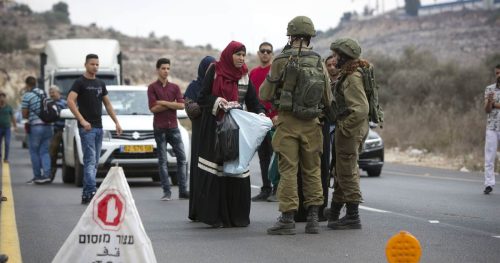
Border Patrol arrested four British nationals after they crossed from Canada into Maine on April 3, 2026, and evidence including a GoPro and witnesses led to their detention.
Federal agents say four men from the United Kingdom were taken into custody after being found inside U.S. territory in a remote Maine woodlot on April 3, 2026. The men were identified by authorities as Ali Mohammed Ali Abdullah, Hameed Mohammed Nagi, Ibrahim Ayyub Khan, and Mohammed Sultan Saleh. Local reports and court paperwork describe how the group drew attention from people working nearby.
Workers tapping maple trees noticed the men wandering in the woods and reported them to authorities, prompting a Border Patrol response. Those who first saw the group told investigators the men appeared to be looking for someone to drive them away from the scene. That eyewitness reporting set off an investigation that brought agents into a heavily forested stretch near the international line.
The men told bystanders they were out hiking when confronted, but officials say footage recovered from one of their GoPro devices suggested a different plan. Agents say the camera captured moments consistent with a deliberate crossing rather than a recreational walk. Alongside video evidence, the presence of a waiting vehicle factored into the timeline Border Patrol assembled.
Investigators located a gray Nissan nearby that they believe had been waiting to pick up the group after the crossing. Officials treated the vehicle as part of the suspected border crossing scheme, and it became part of the documentation seized during the response. The combination of witnesses, recorded footage, and the parked car contributed to the decision to detain the four men for further processing.
Court filings referenced by local reporting describe audio captured by the group that appears on the recovered recording. That audio includes a clear exchange about their location and movement across the border, and it was among the material cited by authorities. Those items were used to justify initial enforcement actions while the case moved into formal review.
Another man in the group — Ali Mohammed Ali Abdullah — can be heard on the recording asking, “I’m on US Soil?” Saleh replied by showing his phone screen with GPS coordinates displayed, and declared, “Now, we are in the US. We just made it, baby.”
After being detained, the four British nationals were processed under immigration and border enforcement protocols, with records indicating arrests consistent with illegal entry allegations. Specific charges or the next legal steps will depend on ongoing review of the evidence and any formal filings that follow. Court paperwork already referenced in reports is serving as the public record for many of the initial details.
Remote border areas like the Maine-Canada line present enforcement challenges because terrain and distance make regular patrols difficult, and local residents and seasonal workers often become first responders by alerting authorities. In this case, people working in the woods played a decisive role by noticing and reporting what they saw. That kind of community reporting frequently helps agents respond faster in isolated sectors.
— Steve Robinson (@SteveRob) April 9, 2026
Officials say technology recovered from the scene, including the wearable camera and a phone displaying GPS coordinates, helped confirm where the group believed they had traveled. Such digital evidence has become an increasingly common element in border cases, especially when crossings occur away from official ports of entry. Agents typically analyze those devices as part of assembling a factual record for any enforcement action.
The arrests underscore the broader difficulties of policing long, sparsely populated international boundaries and the mix of investigative tools now in use. Border Patrol relies on tips, physical surveillance, and electronic evidence when responding to suspected illegal crossings. Each case prompts a review of how resources are applied to deter and detect unauthorized entry across remote stretches of the frontier.
Authorities continue to process the detained men and the associated material collected at the scene while routine procedures determine the next steps in immigration and enforcement proceedings. The incident is now part of the record used for any subsequent legal actions or administrative removals. Community members who reported the activity provided the initial lead that led to the apprehension.