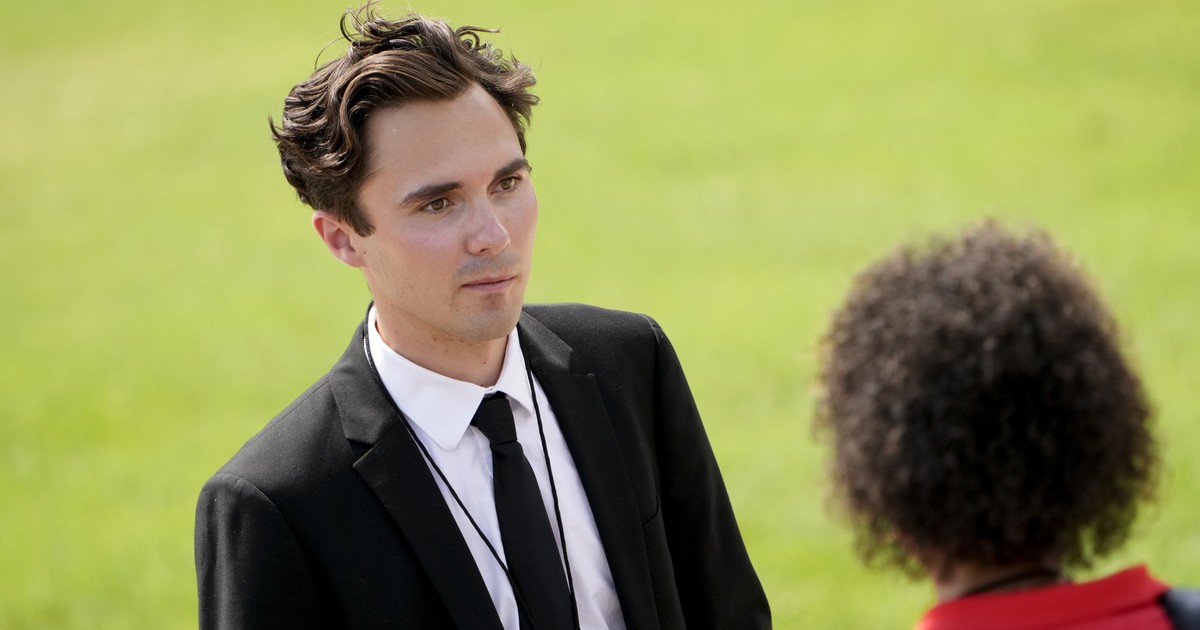
David Hogg’s PAC, Leaders We Deserve, promised big financial help to several Democratic hopefuls, then quietly pulled back on those commitments, stirring anger and leaving campaigns scrambling.
It looks like a classic bait and switch. David Hogg’s PAC took high-profile positions, praised candidates, and hinted at deep pockets, but when the chips were down the group walked away from some planned investments.
The PAC, Leaders We Deserve, has a few wins to point to, yet its pattern of public endorsements followed by private withdrawals has created real friction. Candidates and staff say they were led to expect major spending that never arrived, and that’s the headline people remember.
Critics argue this behavior does damage beyond any single race: it undercuts credibility and leaves campaigns exposed to backlash from voters and donors. Supporters of the PAC counter that dumping cash into unwinnable contests would be irresponsible politics, but that defense doesn’t calm campaigns that were told otherwise.
This is what you do before you endorse (via Axios):
Multiple campaigns backed by Hogg’s PAC fumed after primary losses that the group dangled hopes of financial commitments that never materialized.
First it was Irene Shin: The Washington Post reported last July that Leaders We Deserve backed off a commitment to spend $400,000 on the 38-year-old Virginia state delegate’s behalf in a U.S. House special election that was won by now-Rep. James Walkinshaw (D-Va.).
Now sources close to the campaign of Robert Peters, a 40-year-old Illinois state senator who finished a distant third in the primary to succeed Rep. Robin Kelly (D-Ill.), are telling a similar story.
Leaders We Deserve is defending their strategy, arguing that it would be foolish to spend money on candidates they believe will lose by a landslide no matter how much they invest.
What we’re hearing: The sources, who spoke on the condition of anonymity to avoid professional retaliation, told Axios the group initially expressed enthusiasm after endorsing Peters in May and said he would be a top priority.
Leaders We Deserve, the sources said, promised the Peters campaign a “sizable investment” and told an ally of the campaign they would spend $1 million on his behalf and make a public announcement to that effect.
In October, the campaign was told that Leaders We Deserve would not be investing in the race, according to the sources and Leaders We Deserve.
The sources close to the Peters campaign also said Leaders We Deserve encouraged them to take steps to moderate their image, including writing a position paper for AIPAC and not taking an endorsement from Justice Democrats.
The other side: “Leaders We Deserve was proud to endorse Robert Peters, worked closely with his campaign, helped pay for two polls, and found that there was absolutely no path to victory for him in IL-02,” said Leaders We Deserve spokesperson Matilda Bress.
The fallout is predictable: disappointed staffers, embarrassed candidates, and a narrative that the PAC makes promises it won’t keep. In politics, reputation matters; a PAC that sounds bullish and then retreats hands opponents talking points about incompetence and bad faith.
From a Republican perspective, this is proof Democrats can’t manage their own side. Fundraising and endorsements that aren’t backed by follow-through show a party out of touch with the realities of winning tough races, and the voters notice when energy isn’t matched by resources.
Leaders We Deserve argues it was acting prudently by not pouring money into unwinnable contests, and there is a point to that argument. Still, the way the withdrawals played out — public promise, private reversal — looks like theater more than strategy, and that kind of theater erodes allies’ trust.
This pattern will matter in future primaries and general elections because candidates and local operatives remember who helps them when things get hard. If a PAC’s brand becomes “flashy but flaky,” it will be harder for progressive organizers to mobilize around its endorsements next cycle.
Meanwhile, the optics of David Hogg’s operation fueling drama on the left hand Democrats another self-inflicted crisis to fight through. For voters and donors watching, the message is simple: rhetoric without reliable backing is a liability, and allies who promise big numbers must either deliver or stop advertising what they don’t intend to spend.
This is a Democrat mess. Watch from afar, with a nice bourbon in hand.