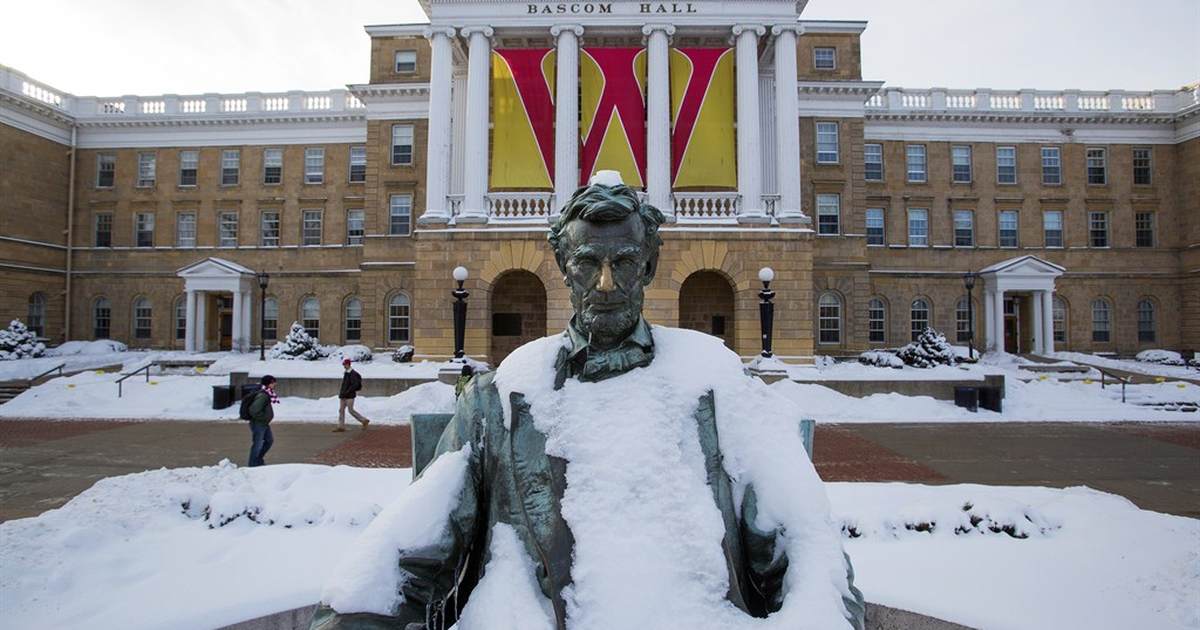
The Democratic Party appears to be moving from rhetoric to action, using institutional power against perceived political opponents, and a recent firing at the University of Wisconsin system is being read as a clear example of that shift.
The party’s public warnings about consequences for those who cooperate with President Trump have moved from threats into real-world decisions at local levels. Leaders and activists who promised accountability for opponents now have tools in government and on governing boards to enforce their preferences. That shift changes how institutions like universities operate, and it raises the stakes for voters and elected officials who value institutional neutrality.
At the center of the latest controversy is the abrupt dismissal of Jay Rothman, the recent president of the University of Wisconsin system. The Board of Regents, whose membership was shaped by Democratic appointees including the outgoing governor, voted unanimously to remove him. Some observers say the decision followed Rothman’s willingness to negotiate with Republican lawmakers in a divided state government.
Rothman has publicly said he will not contest the board’s decision, signaling he does not plan a legal fight over his termination. That choice has left critics demanding answers about motive and the absence of an official explanation. Several in the state and higher-education circles describe the move as political in tone, especially given the composition of the board.
The board of @UniversitiesWI has fired its president as revenge for him making concessions to Republican lawmakers by pausing DEI hiring. The board members are appointed by @GovEvers, a Democrat.
People who said “woke is dead” seriously need to rethink their position. pic.twitter.com/VW2CIujsTz
— Andy Ngo (@MrAndyNgo) April 8, 2026
Ousted Universities of Wisconsin President Jay Rothman said Wednesday he will not challenge the Board of Regents’ decision to fire him after a unanimous vote Tuesday night, despite receiving no explanation for the abrupt move that critics called a partisan power play.
Rothman, who led the system since 2022, told WISN-TV’s “Upfront” Wednesday he was “blindsided” by the regents’ action but harbors no hard feelings and has no plans to sue. He rejected an earlier offer to resign quietly, insisting he could not “live a lie” by stepping down without cause.
“I could not get myself there to basically live a lie,” Rothman told “Upfront” hosts Matt Smith and Gerron Jordan, adding that he repeatedly asked the Board for the reason he lost its confidence but did not get one. “They may not owe that reason to me, but I suspect they owe it to the state of Wisconsin, to the universities, to the taxpayers and quite frankly all residents of the state.”
The aftermath has stirred voices across the political spectrum, and commentators warn this is not an isolated impulse toward retribution. Some analysts argue the Left never really abandoned its more activist instincts; it merely paused when circumstances required. The concern now is that those instincts are back and will be used to reshape leadership at public institutions.
Others point out that institutional control can be subtle and relentless: swap leaders, shift priorities, and the culture follows. That’s why the composition of boards and commissions matters as much as elections at the top. Until voters replace the officials who support such moves, the effects will continue to ripple through state institutions and policy decisions.
There’s been additional commentary from faculty and observers who suspect political calculation in the timing and secrecy around Rothman’s departure. Trevor Tomesh, a professor in the UW system, put his perspective into a public post that has circulated widely. His words capture a mix of anger, confusion, and a warning about intent if moderation is replaced by partisanship.
I am a conservative professor in the UW System (views are my own and not of my University).
This is absolutely scandalous. We have been given absolutely no reason why they got rid of Mr. Rothman, and on the few occasions that I have had the pleasure to meet him, he has been nothing but reasonable.
My guess is that they want to get rid of him (a moderate) so that they can replace him with a far-left president who will be able to oppose a possible Republican governor come November.
Rothman has been instrumental in bringing the University of Wisconsin system back to sanity from the clutches of the radical left in Madison.
That might be an uncharitable interpretation, but they haven’t given us ANY REASON why they’ve decided to thrust this upon us.
I wrote one of the regents earlier today with whom I am acquainted, and I haven’t heard anything back other than an acknowledgement that my message was received.
That lack of transparency only fuels suspicion about motive, and many expect silence from the regents will become the default response. When governing boards refuse to explain major personnel moves, trust erodes and political explanations rush in to fill the void. The result is a more polarized view of public institutions that were meant to rise above partisan contest.
What’s been happening in Wisconsin matters beyond state lines because the model is replicable. If one party uses board appointments and institutional control to sideline moderates and install allies, other states can follow. The line between governance and politics blurs, and that’s exactly what many warned would happen if political hardliners took advantage of their appointments and influence.
The 2026 midterm context is already in play for many voters who see this episode as a preview of higher-stakes battles ahead. The coming elections will determine which party holds the levers that shape who runs universities, oversees regulatory agencies, and sets policy priorities. If you care about keeping public institutions neutral and accountable, these are the fights that will decide it.