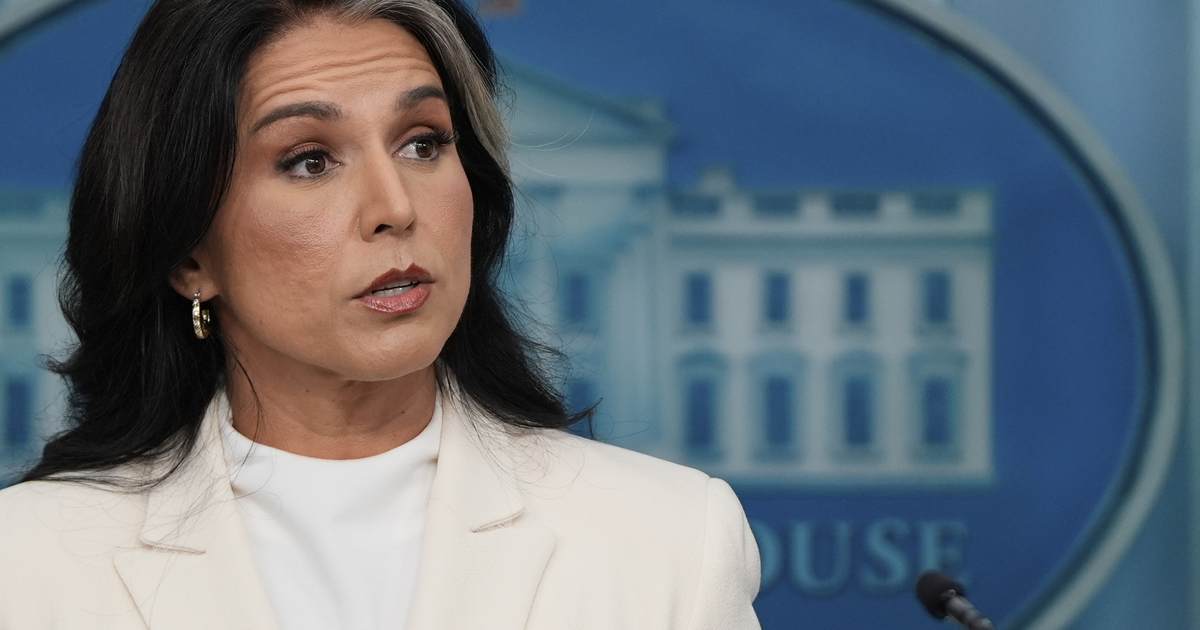
Tulsi Gabbard’s communications team publicly blasted The Guardian after reporters allegedly sent a last-minute email about a negative piece, and the exchange highlights tensions between conservative officials and outlets perceived as left-leaning.
The clash began after The Guardian reportedly emailed at 2 am on April 4 with a same-day deadline for a story critical of Gabbard, a move her team called a cheap, rushed hit. Gabbard serves as Director of National Intelligence, and her staff reacted sharply to what they described as sloppy reporting and political theater. The episode quickly became a flashpoint for conversations about media bias and journalistic standards.
Alexa Henning, Gabbard’s deputy chief of staff, did not soften the message when she addressed the outlet’s approach. Her comments underscored a larger frustration on the right: outlets that signal partisan intent and then act as if they’re neutral. That posture, critics say, allows sloppy narratives to be amplified before anyone has had a chance to respond.
Emailing at 2 AM with a deadline of today is a bullshit tactic by hack reporters who don’t actually care about the facts in a story. https://t.co/mEorBKhrR3
— Steve Guest (@SteveGuest) April 4, 2026
The Guardian is now working on two additional hit pieces about the DNI. They emailed at 2 am last night with a deadline of today.
The Guardian is the outlet uninformed losers talk to when everyone else denies printing their bs allegations and Cate Brown is too dumb to be reporting.
Proven by the last story she did on the DNI she had to issue a “correction” that should have been a retraction after she printed completely wrong information about a politically motivated whistleblower complaint.
Reminder this comes after their story from earlier this week about the DNI that White House called Fake News.
That story was that Gabbard was reportedly on the chopping block as well after the now-former Attorney General, Pam Bondi, was fired. That still could happen, but for now, Gabbard remains at her post.
The raw language in the statement made headlines because it didn’t bother with media-savvy euphemisms. That blunt tone is intentional: Gabbard’s team wanted to signal that they won’t tolerate lazy sourcing or politically motivated leaks. For many conservative readers, the pushback felt overdue against outlets that treat innuendo as reporting.
Accusations about a politically motivated whistleblower complaint and previous corrections only fed the fire, giving Gabbard’s staff ammunition to question The Guardian’s methods. When an outlet issues a correction for serious errors, critics argue, trust erodes and skepticism spreads across political lines. That sequence helps explain why the response from Gabbard’s office was so public and pointed.
There’s also a broader argument about double standards in journalism that this incident highlights. Some outlets openly embrace a liberal viewpoint while others try to pass as impartial; either way, readers deserve clarity about sourcing and motive. Republicans and conservatives have increasingly demanded accountability when reporting appears to cherry-pick facts to fit a narrative.
The episode also touched on workplace timing and professionalism: sending an urgent, pre-dawn email with a same-day deadline invites a rushed response and mistakes. Newsrooms run on deadlines, but targeted, last-minute pushes at odd hours strike many as a tactic to catch officials off guard. That’s the complaint Gabbard’s team leveled and what set the tone for the public rebuke.
Beyond the immediate quarrel, this event feeds a familiar cycle: outlet prints a hard hit, subject pushes back, audience on the right rallies around the target. Each loop reinforces partisan mistrust of the press and makes constructive engagement harder. For officials who want fair treatment, shouting matches with the media are a risky strategy but sometimes feel necessary when corrections follow inflammatory reporting.
For now, Gabbard remains in her role and her staff says they’ll keep fighting what they view as agenda-driven reporting. The Guardian’s left-leaning reputation is part of why this story landed the way it did; critics say the outlet’s tilt makes it less surprising when aggressive pieces target conservative figures. Whatever comes next, the spat makes clear that the relationship between conservative officials and certain national outlets is far from cordial.