Tensions between Ankara and Jerusalem escalated when Turkey’s leadership both threatened military action and moved to indict senior Israeli officials, including Prime Minister Benjamin Netanyahu, in a case tied to an intercepted aid flotilla and wider regional disputes.
Turkish President Recep Tayyip Erdogan publicly warned that Turkey could take forceful steps against Israel while prosecutors in Istanbul drew up charges aimed at multiple Israeli leaders. The moves came amid a period of heightened regional friction and competing diplomatic efforts involving the United States, Iran, and other players. This combination of legal action and saber-rattling sent a clear message about Turkey’s desire to reshape its role in the Middle East.
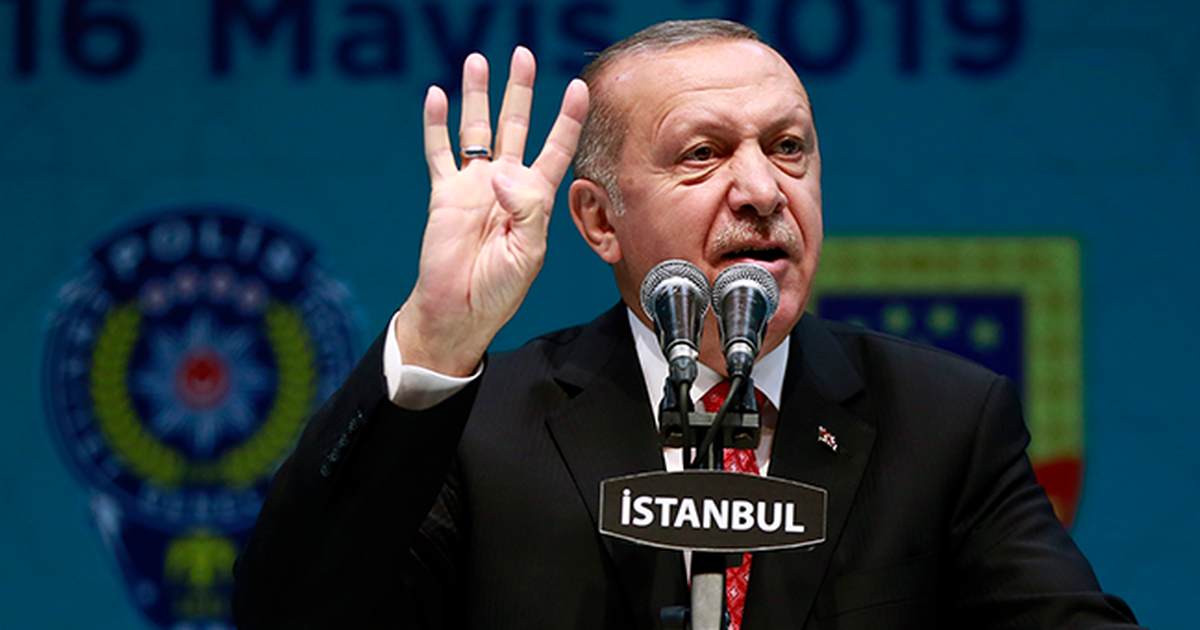
The row intensified after Erdogan leveled sharp criticism at Israel over the conduct of recent hostilities and the fallout of ceasefire moments. In a public address he said, “On the day of the ceasefire, Israel killed hundreds of innocent Lebanese people. Netanyahu is blinded by blood and hatred. Had Pakistan not been mediating in the war between the US and Iran, we would have shown Israel its place,” a line that underscored Ankara’s willingness to trade harsh rhetoric with a NATO ally. Those words signaled a more confrontational tone from Ankara, one that mixes moral outrage with geopolitical posturing and domestic political calculation.
Erdogan doubled down in the same speech by invoking previous Turkish military interventions as precedent, stating, “Just as we entered Libya and Karabakh, we can enter Israel. There is no reason not to do it. It will require strength and unity.” That formulation ties Turkey’s recent regional ambitions to a readiness for bold action, and it frames Ankara’s posture as both assertive and expansion-minded. For many observers, the language suggested that Turkey is willing to blur diplomatic norms to boost its regional influence.
Israel’s leadership responded quickly and pointedly, with Prime Minister Netanyahu accusing Erdogan of aligning with Iran and its proxies while deflecting from Turkey’s own internal abuses. Netanyahu said Israel “will continue to fight Iran’s terror regime and its proxies, unlike Erdogan, who accommodates them and massacres his own Kurdish citizens.” The exchange hardened already tense ties and made clear that diplomatic channels would be strained as each side traded accusations.
The Istanbul Chief Public Prosecutor’s Office has prepared an indictment naming 35 Israelis, including Prime Minister Netanyahu, in connection with Israel’s interception of the Global Sumud Flotilla, which Ankara maintains was carrying humanitarian aid to Gaza last year. The document alleges that the Israeli leaders committed a range of international crimes, listed as genocide, crimes against humanity, torture, looting, and unlawful detention. This kind of broad legal accusation from a national prosecutor represents a striking escalation in Ankara’s use of domestic courts to pursue claims against foreign officials.
Turkey's "indictment" is worthless political theater from a regime that arms Hamas, hosts its terrorists, and slaughters Kurds.Israel has every right—and duty—to stop flotillas that deliver aid to genocidal jihadists in Gaza.Netanyahu and our defenders won't lose a second of…
— Scott (@Scottfu90305281) April 12, 2026
Turkish prosecutors are reportedly seeking aggravated life sentences and additional prison terms that would total between 1,102 years and 4,596 years if convictions were secured, highlighting the dramatic scope of the charges. Turkey’s Foreign Ministry issued a statement asserting, “Netanyahu’s current objective is to undermine ongoing peace negotiations and continue his expansionist policies in the region. Failing this, he risks being tried in his own country and is likely to be sentenced to imprisonment.” Those words formalize Ankara’s political narrative and reflect a strategy that mixes legal tools with diplomatic pressure.
From a conservative perspective, Ankara’s approach looks like a dangerous blend of showmanship and realpolitik that risks destabilizing a volatile neighborhood. Weaponizing the courts in highly politicized cases, while simultaneously issuing military threats, undermines constructive diplomacy and puts NATO cohesion under stress, given Turkey’s alliance commitments. It also raises questions about Ankara’s growing closeness to Tehran’s regional aims and what that means for Western strategy in the Middle East.
The fallout will be felt across capitals that care about stability and the security of Israel, and it forces a reassessment of how to balance engagement with Turkey against deterrence and support for allies. Policymakers who value a stable regional order will note that legal theatrics and inflammatory rhetoric are poor substitutes for steady, principled diplomacy. For now, the episode makes clear that Ankara intends to push hard for influence, and that posture will have consequences for regional alignments and the calculations of the United States and its partners.