This piece argues that King Charles III ignored his role with the Church of England by skipping an Easter message to the nation’s roughly 46 percent Christian population, while sending Ramadan greetings, and delivers a direct, faith-centered call for Britain to reclaim its Christian roots and national strength.
King Charles III is criticized here for seeming to forget he is not just the monarch of England but the Supreme Governor of the Church of England. He did not deliver an Easter message to the roughly 46 percent of citizens who identify as Christian, leaving a void on a day when many mark the Resurrection.
At the same time, the King reportedly found time to send Ramadan greetings to Muslims in Britain and around the world. That contrast has sparked frustration among conservatives who expect the Crown to acknowledge Christian observance on Easter at least as openly as other faiths.
🚨Report: Buckingham Palace has confirmed that King Charles will not deliver an Easter message this year
Via: GB Politics pic.twitter.com/VbozQP9Kss
— The Calvin Coolidge Project (@TheCalvinCooli1) April 2, 2026
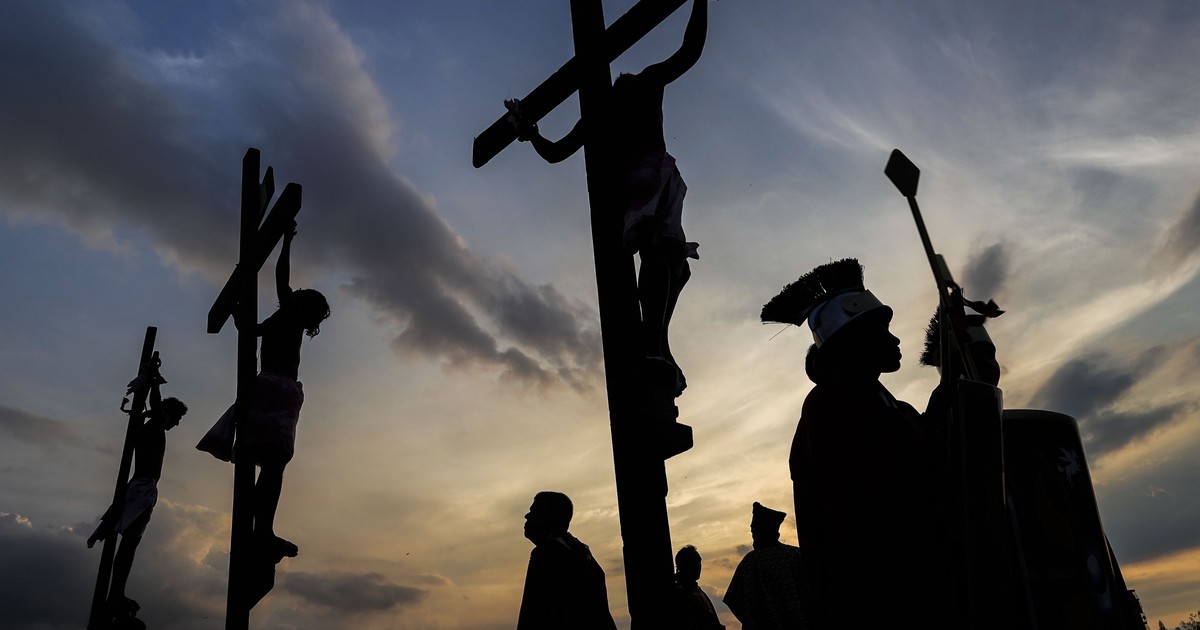
Because the monarch declined to speak for Christians on Easter, this piece steps in to offer a message of renewal and hope grounded in the Resurrection. Easter is described here as more than a seasonal celebration; it is a spiritual reminder that life returns after darkness and that faith in Jesus Christ restores courage and purpose.
Faith matters because it shapes identity, and the argument made is that Britain still carries a deep Christian heritage worth defending. That heritage includes cultural achievements and a moral framework that, according to this view, have been undermined by political elites more eager to apologize for the past than to stand proud of it.
The author argues that those elites have imposed Orwellian speech codes and expansive hate crime laws that chill honest debate and punish those who speak plainly. They are accused of stripping away ordinary rights, including practical self-defense protections, and of failing to protect women and girls from harm in the name of misplaced sensitivity.
Critics say politicians look the other way on crime and social disorder because they fear being labeled racist, which has become the ultimate political sin in their calculus. That theory holds that leaders prefer cultural guilt tours over confronting violence and Islamist radicalism, leaving citizens vulnerable and ashamed of a history they should instead celebrate.
Under this narrative, the state has turned citizens into second-class inhabitants where a silent prayer can become a legal risk while public displays of Islamic devotion go unchallenged. Parents are warned that girls are too often blamed after crimes by grooming gangs, and patriotic symbols like the Union Jack can attract the attention of the authorities instead of protection from them.
Still, the belief here is that Britain’s soul is not lost: Christians remain washed clean by the Blood of Christ on Easter, and forgiveness is freely offered to those who seek it. The Resurrection promises that dark times do not last and that hope can return if people recover their faith and confidence in their national character.
Britain is praised for its enduring contributions—Shakespeare, the stand against Nazism, and the spread of institutions that fostered growth across the globe. The call is for the British people to remember that legacy, reject the false shame imposed by cultural elites, and push back against forces that would remake their country into something unrecognizable.
The piece closes with a blunt choice presented to readers: either accept a future shaped by those who would subsume Britain’s traditions under foreign ideologies, or reclaim a proud, Christian-informed national identity. It concludes with the simple blessing, “God bless Britain, and have a blessed Easter.”