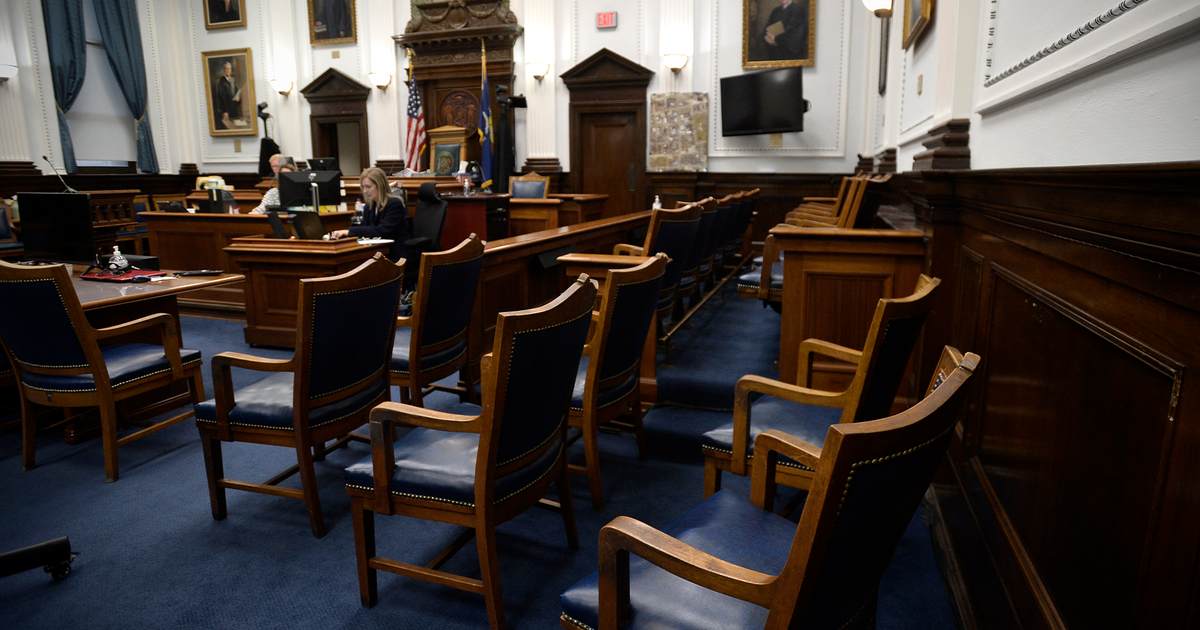
Wisconsin’s high court shifted to a 5-2 liberal majority after Chris Taylor defeated Maria Lazar, a result that will reshape how the state’s major conservative laws are defended and enforced.
Chris Taylor’s victory in the Wisconsin Supreme Court race hands liberals a clear majority and hands Republicans a new legal obstacle in state policy fights. The win matters because Wisconsin’s justices hold 10-year terms and the court’s decisions will influence challenges to major reforms for years to come.
Taylor ran with a record tied to the Democratic world and labor unions, and her campaign leaned into that background. Her resume, including time working for Planned Parenthood and service as a state appeals judge, was central to how she explained her approach to voters and to the cases she will hear.
Decision Desk HQ projects Chris Taylor wins the Wisconsin State Supreme Court #DecisionMade: 9:26 PM EDT pic.twitter.com/ZHDYh3lAVr
— Decision Desk HQ (@DecisionDeskHQ) April 8, 2026
Here’s more:
Chris Taylor, a Wisconsin state appeals judge, won a seat on the state’s Supreme Court on Tuesday, according to The Associated Press, widening liberal control of the court to a 5-to-2 majority.
Judge Taylor, 58, a former Democratic lawmaker, promised to defend democracy and protect the right to free speech if elected. She is the third liberal to be elected to the court in three years.
In the final days of the campaign, she made a pitch to voters that leaned heavily on her liberal background, emphasizing her relatives’ union membership, her time working for Planned Parenthood and her belief that the federal government is interfering in state elections.
The court is officially nonpartisan, but the ideological leanings of its justices, who serve 10-year terms, have become common knowledge in recent decades.
With a 5-2 split, conservative legal strategies that relied on a narrower court majority are suddenly on unstable ground. Key victories from the Scott Walker era, including Act 10’s limitations on public employee bargaining and widespread school choice measures, now face a greater risk of being overturned on appeal.
The outcome will change how lawyers approach cases in Wisconsin and how lawmakers craft policy to survive judicial review. Expect more aggressive legal challenges from the left on education, labor, and administrative authority, and the state conservative movement will have to adapt its playbook for protecting reforms through legislation rather than relying on the bench.
Taylor was busted breaking Wisconsin’s electioneering laws by reportedly filming a get-out-the-vote video within 100 feet of a polling place. That episode reinforced concerns among opponents about campaign conduct and accountability, yet it did not stop the result or lead to any immediate penalties that would change the outcome.
Because justices serve staggered 10-year terms, this change locks in liberal control through at least 2030 and shapes the balance on cases that could touch federal-state power, election rules, and business and education policy. The composition of the high court matters more than ever as state policymaking becomes a national front in ideological fights.
For Republicans in Wisconsin and beyond, the loss is a stark reminder that elections down-ballot decide how laws are interpreted and enforced. Winning on Election Day is only one part of policy success; holding courts and building durable legal defenses must be part of any long-term strategy.