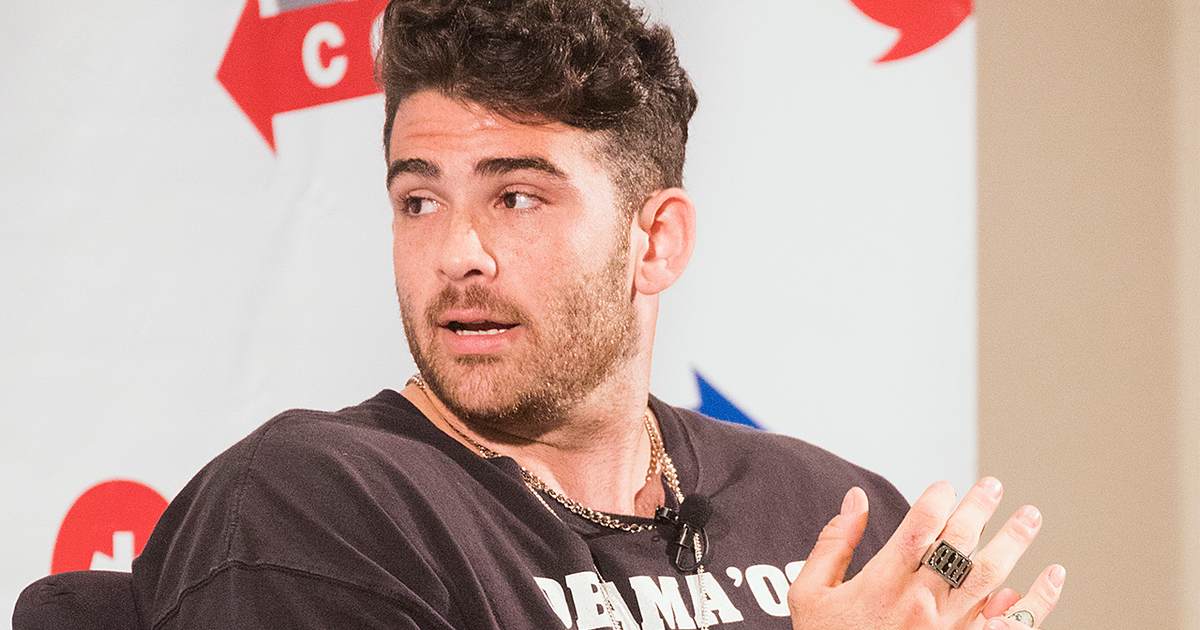
Streamer Hasan Piker toured Cuba, saw widespread poverty and blackouts, yet repeatedly blamed U.S. sanctions while refusing to hold the island’s communist system accountable for its economic collapse.
Hasan Piker’s trip to Cuba is getting attention because he went as a high-profile leftist and came back unsettled by what he saw. He has a history of praising authoritarian figures and making incendiary comments, which makes his reaction to Cuba’s reality more than just travel notes.
On camera he described devastated buildings, rolling blackouts, and grim living conditions that stood in stark contrast to the island’s postcard image. He spoke about how attractive Havana looks at first glance, then quickly showed its worn infrastructure and shortages once you move past the tourist areas.
“When I first landed in Cuba, I was taken aback by how beautiful everything was. You know, you got the 1950s cars and it’s a tropical island destination, but very quickly thereafter, as soon as we got into Havana, the main city area where people congregate, I couldn’t believe the sights that I was seeing,” Piker said. “It was very sad. You had homes that looked like they were bombed out. Our tour guide at the time said that this was somewhat of a product of hurricane season and how difficult it is to repair these buildings.”
🚨 LMFAO! Marxist influencer Hasan Piker says he was saddened by his visit to Cuba because of how much communism destroyed the island
"I couldn't believe the sights that I was seeing…the poverty.”
Yeah, that’s YOUR ideology! 🤦♂️🤡 pic.twitter.com/bAkgACSSfJ
— Eric Daugherty (@EricLDaugh) March 31, 2026
“And I already had known about the rolling blackouts, and I experienced them later in the day. And it was definitely unlike anything I’ve ever experienced before. Everything’s pitch black. There aren’t any traffic lights on. It’s crazy, right? But I was taken aback. I was very sad by all the poverty that I saw,” he continued.
Piker said he was angered by seeing potential squandered and blamed outside pressure for the island’s suffering, rather than the one-party system that runs it. That framing lines up with a common left-wing talking point: structural external forces are the primary cause of failure, not the regime’s policies.
“It was very anger-inducing because I felt like there was a lot of potential on this island that we were just robbing the people of,” Piker said. “And it’s totally cruel and totally unnecessary. And it was part of the reason why I went to Cuba, because I’ve heard a lot about Cuban organizing, Cuban government. I’d read a lot about it. I knew about the island’s history of developing sovereignty.”
He then shifted focus to the U.S. blockade, describing sanctions as an invisible bureaucratic web that limits commerce and remittance flows. Sanctions certainly complicate trade and finance for Havana, but they do not explain why state controls produce chronic shortages, stagnant wages, and collapsing infrastructure decades after the revolution.
“But I’d also heard about this blockade. And I wanted to figure out exactly how this blockade was harming people directly,” Piker said. “And in many ways that are indirect, because the blockade itself is designed to be invisible, it’s a system of sanctions. It’s this bureaucratic nightmare that basically renders it impossible for the island to do regular commerce, just like any other country. Banks can’t take out loans from any other banks. And you, as an American citizen, as a matter of fact, have a lot of restrictions on what you can and can’t do, both on the island, or if you want to even send money. If you have relatives on the island, it’s a very difficult process to directly send cash payments to your relatives as well.”
“It’s totally unnecessary,” he added. “These rules are so arbitrary. And yet they’re so damaging to everyday Cuban existence.”
Those are valid complaints about sanctions’ effects, but they leave out how Cuba’s own economic design creates the conditions Piker lamented. State-set prices produce shortages, central planning squeezes productivity, and official wages often amount to a few dollars a week — realities that punishment from abroad cannot fully explain.
The island’s chronic mismanagement, price controls, and limits on private enterprise keep people dependent on a government that cannot reliably supply food, electricity, or decent pay. Republicans and conservatives arguing for stronger Western pressure note that diplomacy and measured sanctions aim to push change, not punish civilians for eternity.
Washington’s recent posture toward Havana reflects a long-standing belief that regimes which deny basic freedoms and wreck their economies should face consequences until they reform. The debate over how much pressure helps or hurts ordinary Cubans will continue, but the central fact remains: the communist model on the island has produced predictable failure, and any analysis that ignores that is incomplete.