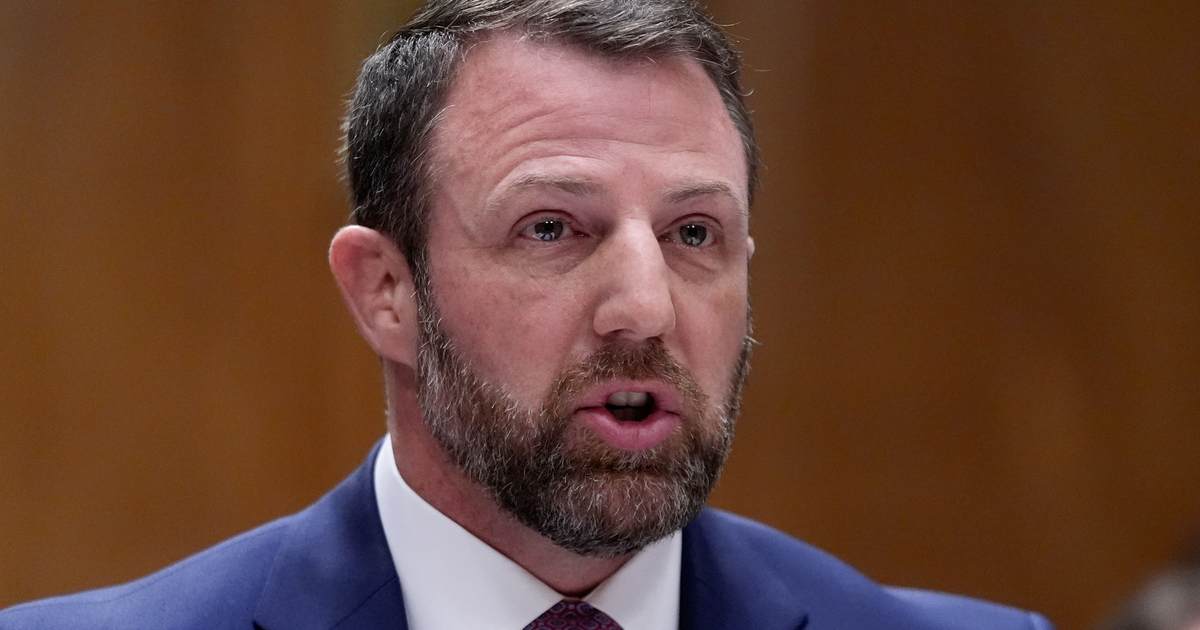
Markwayne Mullin moved fast after his appointment at DHS, reversing a Noem-era procurement rule, pausing a warehouse conversion plan, and signalling a return to a tougher, more streamlined approach to immigration enforcement while navigating a tense funding fight on Capitol Hill.
Homeland Security Secretary Markwayne Mullin wasted no time reshaping the department in his earliest days on the job following President Donald Trump’s decision to replace Kristi Noem. His moves read like a targeted reset: roll back micromanagement, clear procurement logjams, and press pause on controversial housing plans for migrants. Those steps are meant to free up the department to focus on core missions without getting hung up in red tape.
Mullin scrapped a Noem-era rule that required the DHS secretary to personally approve any contract or grant worth more than $100,000. Critics had warned the policy produced “extraordinary bureaucratic gridlock” and a “significant operational challenge,” and it reportedly delayed over 1,000 FEMA contracts, grants, and disaster assistance awards. The change is framed as a fix to a bottleneck that tied up routine decisions and hindered timely responses to emergencies.
Under Mullin’s new approach, routine thresholds are raised and authority flows back to career officials, with approval for large procurements shifted to the deputy secretary when contracts exceed $25 million. “Today, the Secretary rescinded the $100,000 contract review memo. This will streamline the contract process and empower components to carry out their mission to protect the homeland and make America safe again,” DHS said in a statement. That language mirrors a Republican priority: shrink needless federal interference and let professionals do their jobs.
At the same time, Mullin ordered a halt to a plan that would have converted warehouses across the country into immigrant detention sites while his team conducts a review. The proposal had drawn pushback from local leaders and some GOP lawmakers who back stronger enforcement but worry about the strain on local infrastructure and services. Pausing the conversions signals an interest in balancing enforcement goals with real-world impacts on towns and counties asked to host large migrant facilities.
Changes & potential changes noted here — such as requirements for judicial warrants & a pause on installing mega warehouses for migrant detention — provide some hope that Mullin may actually make substantive changes to how Noem ran DHS and ICE. We'll see. https://t.co/PMr28hFpRn
— Jassa Skott (@JassaSkott) April 4, 2026
Despite these operational changes, the department’s core mission of apprehension and removals remains largely intact. Reports indicate Mullin is still weighing other modifications to Immigration and Customs Enforcement practices, even as Congress remains gridlocked over DHS funding. The funding fight has dragged into its 50th day, and departmental decisions are unfolding against that high-stakes backdrop.
Lawmakers on Capitol Hill are tussling over whether to fold ICE reforms into the next funding package, and a bipartisan bill introduced by Rep. Brian Fitzpatrick and Rep. Thomas Suozzi seeks to impose new behavioral rules on agents. That measure would require ICE and Border Patrol officers to remove masks during operations and obtain judicial warrants before making criminal arrests. Fitzpatrick told reporters that ICE needs “to approach the job with empathy” and that “these are human beings, regardless of how you view immigration, we always need to treat human beings like human beings.”
Republicans see Mullin’s moves as a sensible correction to an overcentralized regime that hamstrung responsiveness and hurt mission effectiveness. Rolling back the $100,000 sign-off requirement and restoring clearer lines of authority is being pitched as common-sense stewardship of taxpayer dollars and a means to keep disaster aid flowing. Supporters argue this is about restoring operational competence, not letting bureaucracy dictate outcomes.
The pause on warehouse conversions underscores another conservative point of emphasis: enforcement must be effective, but it should not offload impossible burdens onto local communities. By stepping in to review the plan, Mullin is signaling that DHS will consider downstream consequences rather than imposing top-down fixes without local buy-in. That approach aims to avoid heightening political backlash in places where capacity is already strained.
As the funding standoff grinds on, Mullin is walking a tightrope between delivering on promises to secure borders and ensuring DHS can function day to day. Changes to procurement and facility plans are immediate, tangible shifts designed to restore speed and judgment to the agency. The weeks ahead will show whether these course corrections translate into smoother operations and firmer support from conservatives who expect decisive, operational leadership at DHS.