The New York Times ran a flawed story about President Trump and NATO that required a large correction, touching off a larger debate about alliance burdens, Article 5 credibility, and whether the transatlantic security framework still serves American interests.
The New York Times piece stumbled badly, and the reaction has been loud. Conservatives and many realist foreign-policy voices see the slipup as proof the mainstream press treats European allies with kid gloves while glossing over structural flaws in the alliance. That doesn’t excuse sloppy journalism, but it does reopen a practical conversation about who pays, who fights, and who actually carries weight in NATO.
For years Republicans have pushed the same basic point: allies must shoulder more of their own defense. Washington can no longer assume it will be the automatic backstop for Europe while American taxpayers foot most of the bill. That argument is straightforward and popular within the coalition that favors stronger borders, clearer commitments, and less open-ended overseas spending.
The original article’s thrust was that allies are rattled by questions about U.S. reliability, and that worry fueled the correction storm. The press framed the concern as a crisis of trust, and commentators seized on the notion that if Europeans cannot count on the United States, NATO’s glue might be weakening. That’s a real debate worth having, separate from how a newspaper botches a headline or mislabels institutions.
Here’s the practical Republican case: if NATO is to remain relevant, it should change. That means enforcing clear burden-sharing targets, tying assistance and deployments to measurable commitments, and insisting on reciprocity rather than open-ended guarantees. The alternative—letting the alliance muddle on while the U.S. carries disproportionate risk and cost—is not sustainable politically or fiscally.
Does the @nytimes know what NATO stands for? pic.twitter.com/wvD1WxPOnN
— Sasha Issenberg (@sissenberg) April 3, 2026
Some reaction has been theatrical, as if any criticism equals abandonment. That’s not true. Strong defense can be containment, deterrence, and a hierarchy of priorities that puts America first while still supporting key partners where interests align. Trump’s silence on NATO in a speech can be spun either way, but it also forces allies to reckon with the consequences of relying on Washington as the default guarantor.
There’s also a cultural layer to this fight. Many European capitals prefer the old arrangements because they preserve influence without paying the full price. Critics call that freeloading, and the complaint has merit. It’s not anti-alliance to demand fairness; it’s common-sense budgeting and strategy done the American way.
Republicans who want a leaner footprint and smarter commitments are not necessarily isolationist. They want leverage: sanctions, targeted support, and conditional guarantees that reward contribution and deter free-riding. That approach forces partners to choose between real investment in their defense and continued dependence on U.S. forces and funding.
The quoted passage from the original story captures why allies worry, and it should be preserved exactly as reported to keep the record straight:
The alliance, built after World War II to deter the Soviet Union and keep the peace in Europe, is in crisis, with some questioning whether it can survive. The Mideast war has brought existing doubts about American commitment to the alliance to the fore, argued Ivo Daalder, a former American ambassador to NATO.
“It’s hard to see how any European country will now be able and willing to trust the United States to come to its defense,” he said. “Hope, perhaps. But they can’t count on it.”
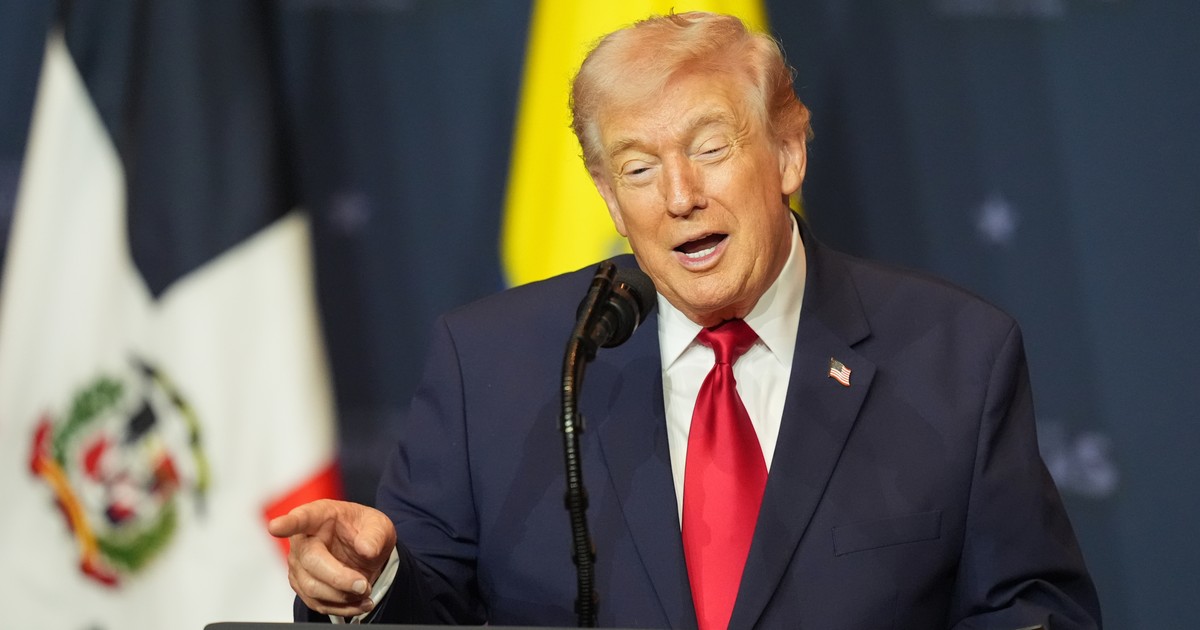
In his speech to the nation Wednesday night, Mr. Trump did not mention NATO, to the relief of allies.
But a senior European official said he thought most Europeans did not believe that Article 5, the NATO commitment to collective defense, still had teeth. The United States now seems part of the problem of world disorder, the official said, speaking anonymously given the sensitivity of the topic. The country is no longer the solution and the guarantor of last resort, he said.
That quote is blunt, and it underlines the strategic risk: if allies doubt U.S. resolve, deterrence frays. Republicans argue the cure is not more nostalgic rhetoric but clearer, enforceable agreements that make it costly to back out of contribution promises. That sharper clarity preserves deterrence by making commitments credible.
Finally, the NYT correction episode is a reminder that media framing shapes foreign-policy debate. When outlets mislabel or sensationalize, they distort incentives and empower diplomatic theater over hard strategy. Conservatives should welcome scrutiny of the press while pushing for policy reforms that protect American interests and demand genuine partnership from Europe.