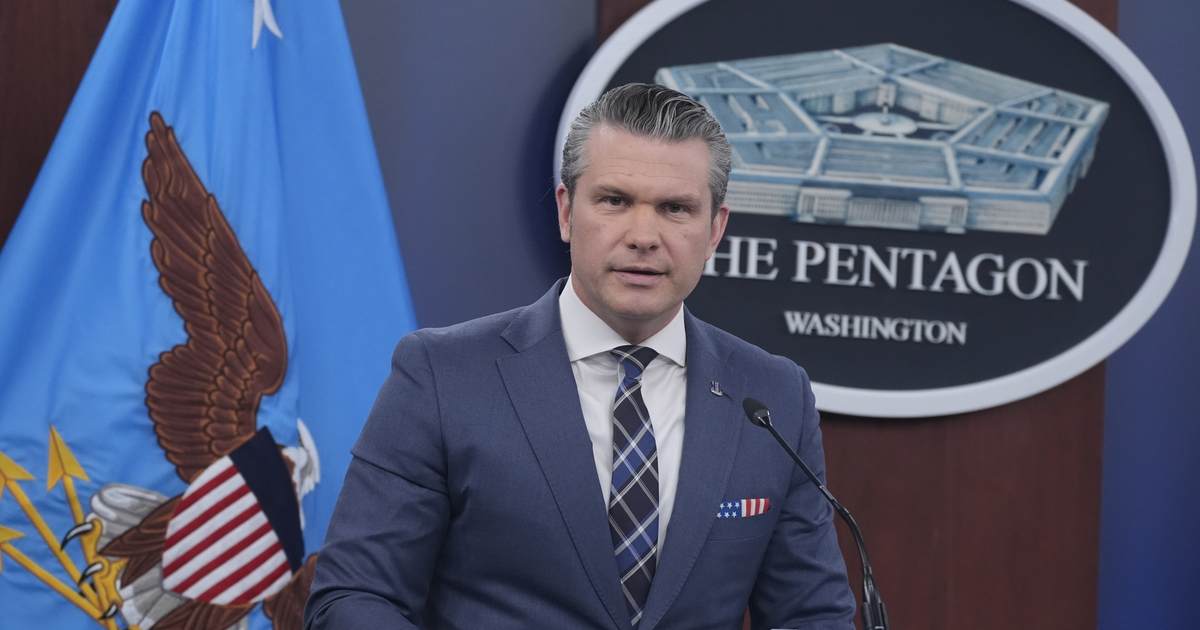
Secretary of War Pete Hegseth has ordered a change to rules that have long kept service members unarmed on many U.S. bases, setting a new expectation that troops can request permission to carry personal firearms for protection.
Pete Hegseth issued a memo that asks commanders to permit requests from service members who want to carry private firearms on base for personal protection. For years the default left most troops unable to carry unless they were in training or serving as military police, which limited self-defense options. This adjustment aims to put the presumption on the side of the individual seeking protection.
The memo comes after a string of violent incidents at military installations that exposed gaps in on-base protection. Leaders and troops across branches have watched attacks and felt that the old rules did not match the reality of current threats. Allowing qualified personnel to seek permission to carry is meant to respond to those events with practical policy, not rhetoric.
“Our war fighters defend the right of others to carry. They should be able to carry themselves. Recent events like what happened at Fort Stewart Holloman Air Force Base [in New Mexico] or Pensacola Naval Air Station have made clear that some threats are closer to home than we would like,” Hegseth said in the video. That line, delivered on camera, puts the emphasis on reciprocity and trust in service members to protect themselves and their units.
The order Hegseth signed tells installation commanders to treat requests for personal protection with a presumption that the request is necessary for the requester’s safety. Commanders still retain authority to evaluate qualifications and circumstances, but the administrative hurdle is lowered. The change shifts the burden from the applicant proving urgent danger to the installation explaining why it would deny a reasonable request.
Our military installations have been turned into gun-free zones—leaving our service members vulnerable and exposed.
That ends today. pic.twitter.com/IQ204YepZ0
— Secretary of War Pete Hegseth (@SecWar) April 2, 2026
“Not all enemies are foreign, nor are they all outside our borders; some are domestic,” Hegseth said. That reminder recognizes that threats have evolved and that policy made for a different era can leave personnel exposed. It also challenges the old notion of blanket gun-free zones that create soft targets where attackers know resistance will be delayed.
Practical concerns remain: storage, training, and clear rules about when a weapon may be carried and used must be spelled out. Commanders will need a consistent process to vet applicants, verify training, and maintain accountability to prevent abuse or safety lapses. The success of the policy depends on rigorous implementation, not vague promises.
Supporters argue this is overdue common sense for a force that expects its people to operate under risk overseas but did not allow them the same basic protections at home. Opponents warn of unintended consequences, but the memo is aimed at responsible access, not blanket permission without oversight. Republican voices are framing the move as restoring the rights and safety of service members first.
There will be debate about the balance between unit cohesion and individual protection, and commanders will have to weigh mission requirements before approving carry privileges. Still, shifting the presumption toward approval recognizes the duty leaders have to safeguard personnel in their custody. It also sends a clear message that service members are trusted to bear responsibility for their own safety when circumstances require it.
Implementation will reveal how well the guidance matches operational realities on different bases, from training posts to aviation hubs. Some installations will face tougher decisions based on force protection levels and local crime conditions, while others may find approvals straightforward. The policy is deliberately flexible to respect commanders’ judgment while elevating service members’ ability to protect themselves.
At its core, the memo is about trust and practical security policy: trusting trained military members with the means to defend themselves and accepting that threats can come from within as well as from abroad. If carried out with clear standards, vetting, and accountability, it could reduce vulnerabilities that gun-free rules have created. Time will tell how smoothly commanders adapt procedures and whether the change reduces the number and impact of attacks on military property.
Editor’s Note: Democrats are fanning the flames and raising the rhetoric by comparing ICE to the Gestapo, fascists, and secret police.