The indictment of the Southern Poverty Law Center has exposed how partisan labeling and institutional power were being used to target conservative groups and individuals.
The reaction from Democrats and much of the mainstream press has been loud and defensive, insisting the SPLC did nothing more than fund informants. Reporters and partisan operatives pushed a narrow framing that turned a complex fraud indictment into a simple debate about investigative tactics, but that misses the larger pattern of political targeting.
For years the SPLC carried outsized influence, and Democrats treated its lists as a credential for political attacks. Groups like Moms for Liberty, Turning Point USA, and the Family Research Council were labeled “hate groups” despite no record of organized violence, and those labels carried real consequences for careers and reputations.
That designation mattered because it fed a broader narrative the Left used to justify aggressive action against ordinary Americans with dissenting views. The Biden administration leaned on civil-society groups and legal tools in ways that often punished civic engagement while treating violent mobs with leniency.
When you look at specific examples, the bias is hard to ignore. Floyd Lee Corkins, who in 2012 attacked the Family Research Council, was motivated by SPLC materials, yet organizations with documented violent episodes were treated differently. BLM and Antifa, both associated with widespread unrest and assaults, were not targeted the same way by the center that branded mainstream conservative organizations as extremists.
Democrats immediately cried “weaponization” when the indictment landed, but that accusation looks like projection. The administration and party leaders repeatedly used government power to single out parents, religious groups, and veterans under the banner of combating extremism, while giving softer treatment to others.
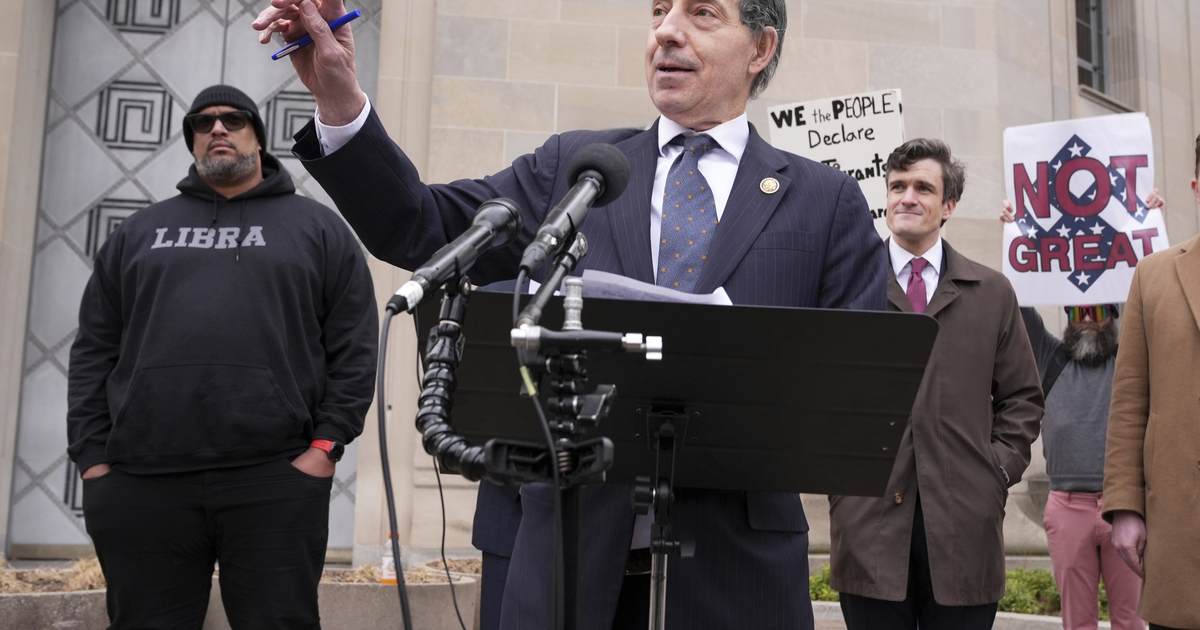
Some Democratic officials even defended the SPLC as a necessary monitor of racial violence. In a widely cited exchange, Jamie Raskin said, “Now in other times, Democrats and Republicans alike would rely on the Southern Poverty Law Center to help us keep track of the movements of violent white supremacy in the country,” Raksin said.
“The Southern Poverty Law Center’s been a vigilant voice in civil society against radical white nationalist violence and extremism, neonazism, and other forces across the political spectrum that spread organized hate from any quarter,” Raskin continued. “The President, however, wants to undermine civil society organizations and reduce our ability to defend ourselves against the virus of racial violence.”
Those quotes show how attached Democrats were to having a single private group act as gatekeeper for what counts as dangerous speech or association. That kind of authority gives political actors a short list they can weaponize when it suits their electoral or cultural aims.
Looking toward 2026 and beyond, it was clear some in the Democratic coalition hoped to use SPLC lists to punish allies of political opponents and to shape enforcement priorities. Names on a list become targets for nonprofit funding cutoffs, credentialing exclusions, and public shaming campaigns that echo through social and professional networks.
Just four months ago, Jamie Raskin was lecturing America about how the SPLC needs to be relied upon to fight white supremacy —
— and railing against Trump for wanting to "undermine” the work they do.
Aged like milk. pic.twitter.com/7wutueRbMA
— Western Lensman (@WesternLensman) April 22, 2026
Now that legal scrutiny has hit the SPLC, the political playbook that depended on its judgments is under pressure. People who supported or relied on those lists are scrambling for cover because what was once accepted as gospel may soon be exposed as compromised and self-serving.
The fallout is political and practical: accountability for a private group that mixed advocacy with quasi-official labeling, and an overdue conversation about who gets to decide which groups are dangerous. For conservatives watching from the outside, the indictment validates long-held concerns about biased institutions shaping public policy and enforcement priorities.