Rep. Tom Tiffany is pressing Governor Tony Evers to opt into a federal scholarship tax credit program, arguing Wisconsin families are being shortchanged while student outcomes slide.
Wisconsin’s public schools are on the defensive, and the numbers show it: reading and math scores have dropped, Black students in Milwaukee Public Schools are testing near the bottom nationally, and one district faces an investigation for systemic abuse of students. Parents and conservative voices are calling attention to these failures and demanding a better path for families who need options beyond the current system. The tone in the state has shifted from patience to urgency as classroom outcomes worsen.
Governor Tony Evers vetoed legislation that would have given families access to $1,700 in federal tax credits for education, and that decision matters to parents trying to find help for struggling kids. The bill also contained measures meant to improve classroom safety by supporting teachers and their ability to remove disruptive students, an issue many communities say is undermining learning. Conservatives argue this veto keeps families trapped in failing environments instead of offering relief and real choice.
Democratic leaders are split on the policy: fellow Democratic Governor Jared Polis in Colorado called opting into the federal program a “no-brainer.” That contrast makes Evers look like an outlier who is out of step with pragmatic approaches favored in some other blue states. Republicans see the split as proof the proposal is mainstream and sensible, not radical.
Now, Rep. Tom Tiffany, a candidate for Governor, has publicly urged Evers to change course and opt Wisconsin into the Federal Scholarship Tax Credit program, framing it as a straightforward, pro-family move. Tiffany has been a backer of the federal program from the start, and he was joined by local advocates, including Green Bay mom Colbey Decker and Waukesha School Board President Kelly Piacsek, who say families need access to tutoring and alternatives.
Supporters point to stark literacy figures to make their case: only 31 percent of Wisconsin fourth graders can read at grade level, a gap that advocates insist scholarships could help close through targeted tutoring, summer programs, and after-school services. The funding would be modest per student but could be flexible for families juggling special needs, remediation, or college prep. Conservatives argue the state should empower parents to direct those dollars where they believe they will do the most good.
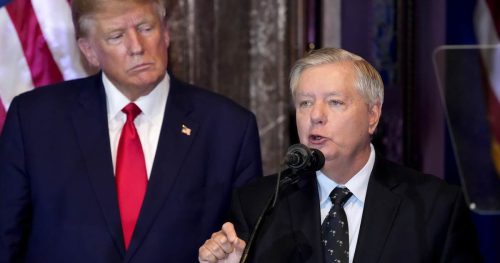
HAPPENING NOW:@TomTiffanyWI is holding a press conference, calling on Governor Evers to opt Wisconsin into the federal school tax credit scholarship program.
Tiffany noted that he supported the creation of this program at the federal level, and that as Governor, he would opt… pic.twitter.com/FcjXSykuAF
— The Heartland Post (@HeartlandPostWI) April 8, 2026
Tiffany has framed the scholarship credit as a practical tool for parents who are already paying into a failing system and deserve relief. He emphasizes that these credits would not replace public education but would supplement learning for kids who fall behind, need specialized instruction, or rely on extra supports to succeed. That framing appeals to voters tired of one-size-fits-all solutions that leave some children behind.
“The Federal Scholarship Tax Credit could have helped fill those gaps. A dyslexic child in Milwaukee who needs help learning to read. This scholarship could have paid for tutoring,” Tiffany said. “A public school student right here in Madison who needs an after-school program, this scholarship could help make that possible. A homeschool family in Wausau, trying to prepare for the SAT, this scholarship could have helped pay for that.”
“But now, that opportunity is gone, all because Governor Evers, the so-called ‘Education Governor,’ chose not to opt-in. As Governor, I will fix this, because our kids need every tool, every resource, and every opportunity we can give them,” Tiffany said. Those words underline a broader Republican stance: give parents more control and remove barriers that block alternatives for children who are falling behind.
Republicans argue the choice is clear: expand options and empower families, or keep students locked into systems that are not delivering results. Local leaders and parents who have watched academic gains stall see scholarship tax credits as a direct, accountable way to help specific kids. For conservatives campaigning this year, education policy is a test of whether state leaders will put families first or protect the status quo.