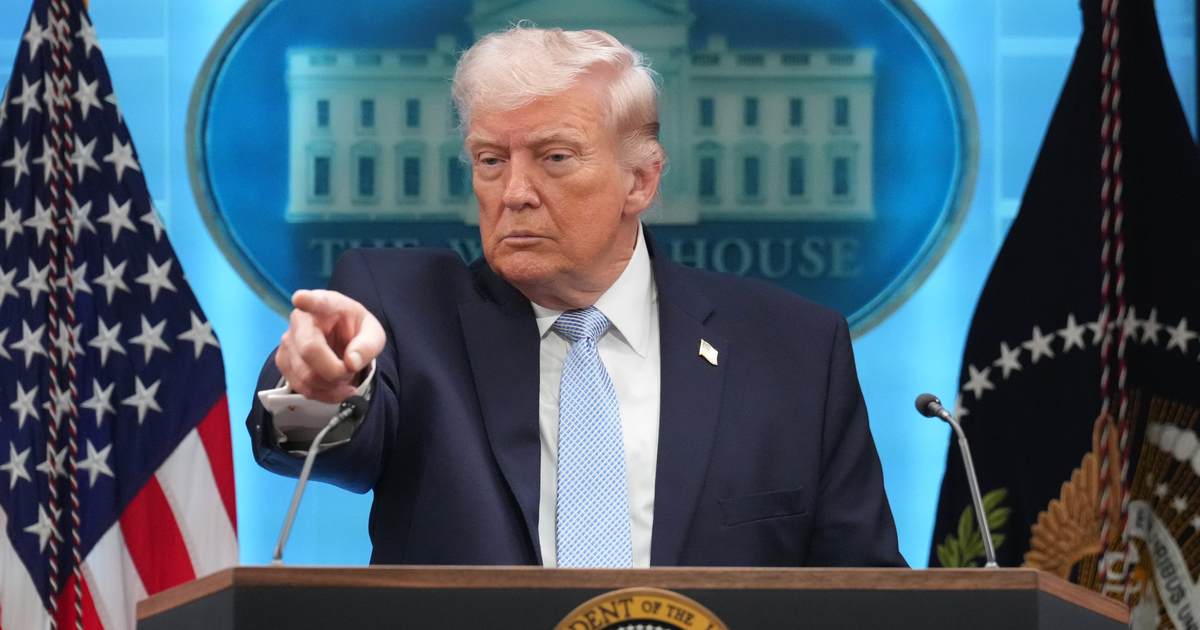
Trump blasted CNN after the network ran a Tehran statement about a two-week ceasefire — a report that turned out to be false, and one the administration publicly mocked before the outlet removed the story.
There’s a lot packed into this Iran ceasefire story: it’s short, tense, and full of contradictory claims. The deal on paper is a two-week pause involving the United States, Iran, and Israel, but Jerusalem reportedly hates the terms and several of Tehran’s public demands are flat-out nonstarters. That gap between propaganda and reality is what got CNN in trouble when it amplified Tehran’s version without enough skepticism.
Some of the demands Iran touted are simply not going to happen, and officials in Washington made that point clear. Jerusalem’s objections matter because the Israelis are a primary party to the conflict and won’t accept bargains that leave them exposed. The reporting should have reflected that complexity instead of parroting Tehran’s talking points.
No one can believe that Fake News CNN put out a knowingly false and dangerous statement pretending it came from the upper levels of the Iranian Government. It didn’t! It was totally made up and posted, as a headline, for purpose of, perhaps, inflaming a very delicate situation.…
— Commentary: Trump Truth Social Posts On X (@TrumpTruthOnX) April 8, 2026
The president and his staff roasted them for it:
CNN later deleted the piece:
The media loves a gotcha moment and they piled on, eager to paint the administration as naive or reckless. That appetite for headlines often leads outlets to repeat hostile-state statements without sufficient vetting, which is how bad reporting becomes fake news. Conservatives and many in the broader public saw the deletion as proof that the initial coverage was rushed and wrong.
There’s nuance here worth saying out loud. Iran is the world’s largest state sponsor of terrorism and its internal structure includes competing agencies that spin different narratives to serve factional interests. Tehran is trying to salvage what it can after heavy losses, and when a regime is cornered it will loudly claim victory even when the facts don’t back it up.
We shouldn’t pretend the United States will accept every demand in any Tehran statement — we won’t, for example, pull all forces out of the region as some reports suggested. Given that reality, it’s reasonable to expect hostilities could resume once the fragile pause ends; the most likely window for renewed strikes is within 14 days, and perhaps even sooner. The episode underlines how reckless headlines and unverified sourcing can shape public opinion in ways that make policy and strategy harder to manage.