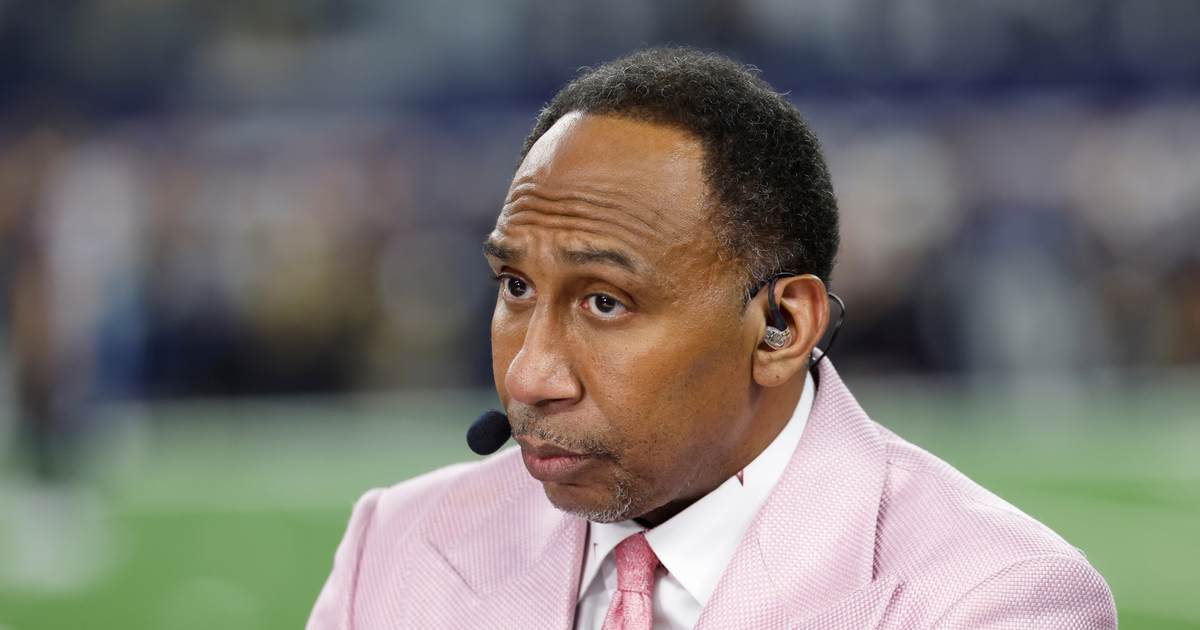
Stephen A. Smith weighed in after the Supreme Court heard arguments on birthright citizenship, reacting to President Trump’s unprecedented decision to attend the oral arguments and urging viewers to reconsider how the 14th Amendment is applied today.
ESPN analyst Stephen A. Smith offered an unexpected take on birthright citizenship the day after the Supreme Court heard oral arguments on the matter. His comments put the spotlight on a constitutional debate that is playing out in public and in the courts.
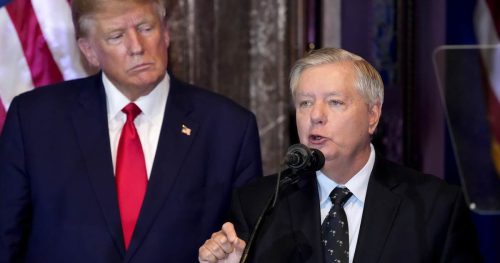
Smith pointed to President Trump’s presence at the Court — the first time a sitting president has attended oral arguments — as a message that domestic policy is front and center. He pushed his audience to think about whether the current practice of automatic citizenship for anyone born on U.S. soil still makes sense in the current environment.
“The issue that I wanted to get into is birthright citizenship by simply asking this question. When the president walked into the Supreme Court today, the first time in us history that a sitting American president walked into the courts to attend oral arguments at the Supreme Court, staying for over an hour, according to the reports. To hear their thoughts, their questions, their inquiry, their opinions on birthright citizenship in the United States of America. How’d you feel about that?” Smith asked. “I’m here to tell you, ladies and gentlemen, I don’t blame him.”
🚨 Stephen A. Smith dropped a SURPRISING take on birthright citizenship.
“When the president walked in to the Supreme Court…to attend oral arguments…I’m here to tell you ladies and gentlemen, I don’t blame him.”
Smith then asked his audience the uncomfortable question about… pic.twitter.com/o5c0EwpiAM
— Overton (@overton_news) April 2, 2026
“He campaigned on this issue. He’s been accused of not paying attention to stuff that’s happening on our home soil. You want to do something politically expedient to your benefit. If you’re President, Donald Trump, this is the fight you fight because millions of Americans flow with him on this issue,” he continued. “And the reason why it’s an issue that’s important to tackle is because remember what the 14th Amendment of the United States Constitution states. Remember what it states. Birthright citizenship in the United States of America established by the 14th Amendment of the United States Constitution. All persons born or naturalized in the United States and subject to the jurisdiction thereof are citizens of the United States. Meaning if you are born on us soil, you are a U.S. citizen automatically. Automatically.”
Smith then questioned the historical reach and moral implications of that automatic rule, forcing listeners to confront scenarios where the policy might be exploited. His tone was blunt and directed at the practical consequences of a literal reading of the amendment.
Here’s the part that we have to ask ourselves. And this is where the conversation gets uncomfortable. Do you believe in birthright citizenship? As an American citizen, do you believe that somebody that crosses our borders illegally to give birth on American soil, that their children, their newborns, should automatically be an American citizen. According to the United States Constitution, there is no argument there. What I’m asking you is, is it right? Should it happen?
The Trump administration has argued that the current interpretation should change, saying the system is vulnerable to abuse by birth tourism and illegal crossings. Republicans have pointed to those practices as evidence that legal definitions matter and that citizenship should not be treated as an automatic bypass for immigration enforcement.
Data cited in public discussions shows trends that supporters of tightening the rules call concerning, including a Pew Research estimate that nearly ten percent of U.S. newborns in 2023 were born to non-citizen parents. That statistic has become part of the argument that policies should reflect current migration dynamics rather than only historical readings.
At oral argument, the Supreme Court justices pushed back in places, and some conservative members signaled doubts about the administration’s legal theory and how it maps to the 14th Amendment’s text and history. The debate is now both political and legal, and it will be decided at the highest court after public attention and partisan arguments collide.