New polling shows broad public backing for strong U.S. action against Iran as tensions flare and a U.S. maritime strategy moves forward.
The recent surge in tensions between the United States and the Islamic Republic of Iran has shifted from cold words to concrete moves, and the public reaction is striking. As negotiations stalled and military planning gained attention, Americans sounded off in forceful numbers about the right path forward. The debate is no longer abstract for many voters; it now centers on reopening vital waterways and preventing a nuclear-armed Tehran.
The YouGov numbers are blunt and specific: Three fourths of respondents to the YouGov poll indicated that they believed that the objectives of Operation Epic Fury were agreeable, with nearly 90 percent stating that they believed that the Strait of Hormuz needs to be reopened and that oil needs to flow through the Gulf states once more. The poll also found that 76 percent desire a permanent end of Iranian nuclear weapons development, a figure that makes clear how widespread the worry is about a nuclear-capable regime. Those are not fringe sentiments; they reflect mainstream concern about global stability and U.S. interests tied to energy and allied security.
🚨 CBS: Americans overwhelmingly support President Trump’s goals in Iran.
"As for you know, the aspirations, Americans broadly support them…" pic.twitter.com/uwbpZ1DloB
— RNC Research (@RNCResearch) April 12, 2026
Beyond the headline percentages, the poll picked up a deeper political instinct: more than half of respondents claim that it would be unacceptable to end the conflict if the Islamic regime continues to retain power. That stance signals a public unwillingness to accept a status quo where a hostile government keeps its coercive capabilities intact. For many voters, the idea of cutting a deal that leaves the ayatollahs stronger at home and abroad is politically toxic.
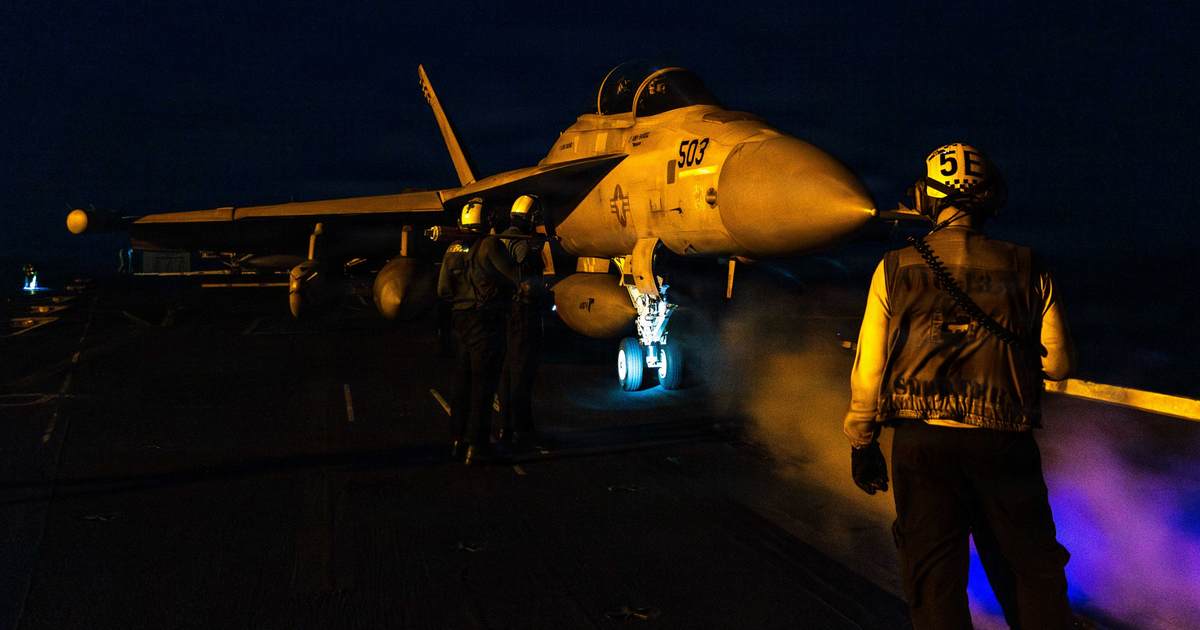
Reports say the peace talks collapsed after Iranian negotiators rejected American demands, and within hours the administration moved to control the maritime choke point at the Strait. Officials announced that the Strait of Hormuz would be blockaded, answering Tehran’s reported demand that any oil shipments passing through be subject to a $2 million fee. The president left no ambiguity: ships that pay the fee would be subject to interdiction, and those words were intended to change incentives on the spot.
To reinforce the message, the administration made clear that any attempts to interfere with U.S. activities and peaceful maritime movement would be met with overwhelming force. That sentence is short and simple, and it was delivered in a way meant to deter counting-on-chaos tactics from Tehran or its proxies. The posture combines diplomacy backed by credible military threat, a strategy conservatives have long argued is the only way to keep adversaries from testing American resolve.
The public reaction reflected by the poll helps explain why political leaders are comfortable with a tougher line. When voters prioritize reopening shipping lanes, stopping nuclear development, and denying legitimacy to an aggressive clerical regime, policymakers have political cover to act decisively. Operation Epic Fury is being framed as a direct answer to those priorities: secure commerce, dismantle nuclear ambitions, and restore deterrence in a region that has long rewarded weakness.
These developments also spotlight a broader political contrast. For years, critics said past administrations talked tough but failed to translate rhetoric into outcomes that protected American interests and allied security. Now, with a clear national mandate emerging in poll data and an administration willing to back words with action, the debate is shifting toward execution and long-term strategy. The coming weeks will test whether that mix of public will, military planning, and diplomatic pressure can actually change Tehran’s calculus without dragging the region into wider conflict.
Editor’s Note: For decades, former presidents have been all talk and no action. Now, Donald Trump is eliminating the threat from Iran once and for all.