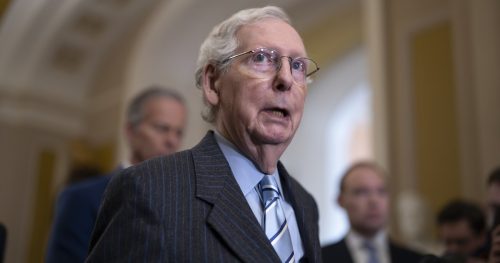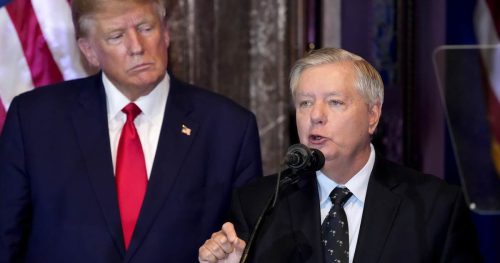
Pam Bondi is out as attorney general, and the change at the Department of Justice has set off questions about other senior officials, including the director of national intelligence.
Pam Bondi’s removal became official after days of rumor, and folks in and outside the administration are taking note. She had wins, like making sure the department stood ready to appeal what she called absurd rulings by rogue judges, but the Epstein files episode stuck to her. That case and the theater around it provided opponents with a clear target.
President Trump did not help by calling the situation a hoax for weeks before authorizing the release of the files, and Bondi herself made public claims that didn’t hold up. She said the client list was on her desk, a line that added bravado but raised eyebrows when it couldn’t be backed up. Reports suggest the president told her yesterday that her time was up.
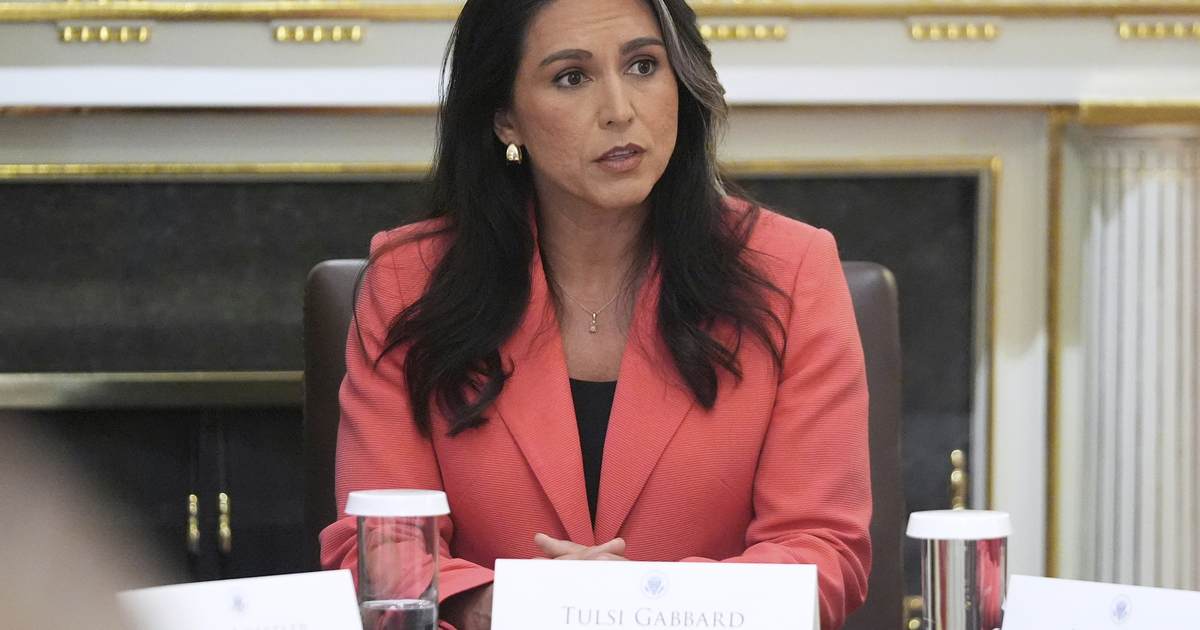
With fresh leadership coming into the DOJ, the intelligence community is also on notice. The president has been asking around about whether to replace Tulsi Gabbard as director of national intelligence, via the Guardian. That sort of personnel shopping has consequences for morale and for the steady hand Americans expect from national security leadership.
Donald Trump has privately asked cabinet officials in recent weeks whether he should replace his director of national intelligence, Tulsi Gabbard, venting frustration that she shielded a former deputy who undercut his rationale for war with Iran, according to two people briefed on the discussions.
News: The president has informed Pam Bondi that her time as AG is nearing an end, multiple sources tell me.
Formal announcement hasn’t yet come aka all the normal caveats that he could change his mind apply; he’s been speaking with advisors on a possible replacement in recent…
— Shelby Talcott (@ShelbyTalcott) April 2, 2026
It is not clear that Trump will actually fire Gabbard over the episode. Currently, there is no standout candidate to take the job, and advisers have cautioned that creating a high-profile vacancy before a successor is ready could cause unhelpful political distractions.
But Trump’s discussions mark an ominous development for Gabbard, given the president tends to poll his advisers when he starts to seriously consider whether a personnel change is necessary. The two people spoke on the condition of anonymity to discuss private conversations.
Trump’s doubts about Gabbard followed her testimony at the worldwide threats hearing on Capitol Hill last month where she declined to condemn Joe Kent, who had resigned days earlier after arguing that Iran did not pose an imminent threat to the United States, the people said.
The nature of Kent’s departure and his criticism of the war had already angered Trump, but he expressed particular frustration about Gabbard seemingly defending Kent and appearing reluctant to defend the administration’s position to attack Iran, the people said.
The White House has publicly backed Gabbard for the moment, and that’s familiar playbook from recent weeks. They did the same with Bondi before she left and with other allies who later moved on. This administration often avoids tipping its hand until the change is already in motion, which makes patterns worth watching.
If Gabbard is shown the door, it wouldn’t come as a shock to those who track internal polling and private counsel. The president is hands-on with personnel, and when he senses a staffer isn’t fully aligned with his priorities, he asks questions. That kind of scrutiny matters in security posts where clarity and unity are vital.
From a conservative perspective, accountability in these roles isn’t political theater; it’s about protecting institutional credibility and making sure officials defend the administration’s strategy. Missteps on high-profile files or public statements that contradict administration policy chip away at authority. Leaders in law enforcement and intelligence need to be both competent and loyal to the mission.
The original friction in the Epstein files illustrates the damage a sloppy narrative can do. When someone promises a smoking-gun document or a neat client list and it doesn’t materialize, critics feast. That may have been the tipping point for Bondi, and it serves as a reminder that public claims need to match private records.
On the intelligence front, any move to replace the DNI has to balance speed with stability. Advisers are right to warn that a gap at the top can be disruptive, especially when tensions abroad are high. A quick, quiet transition with a ready successor is preferable to a headline-grabbing vacancy that invites chaos.
The discussion over Joe Kent and Gabbard’s testimony shows how internal disagreements can blow into public controversies. When deputies undercut a case for military action, and leadership appears to shield them, it fuels doubt about policy coherence. Presidents understandably react when they see mixed messages in the cloakrooms and on the Hill.
All eyes are on who will lead the DOJ next and whether the White House will reshuffle more senior officials. The need to shore up the Department of Homeland Security funding remains urgent and separate, but linked by the same theme of governance: get the basics right. The coming days will reveal whether this administration moves decisively or lets personnel churn create a drag on its agenda.