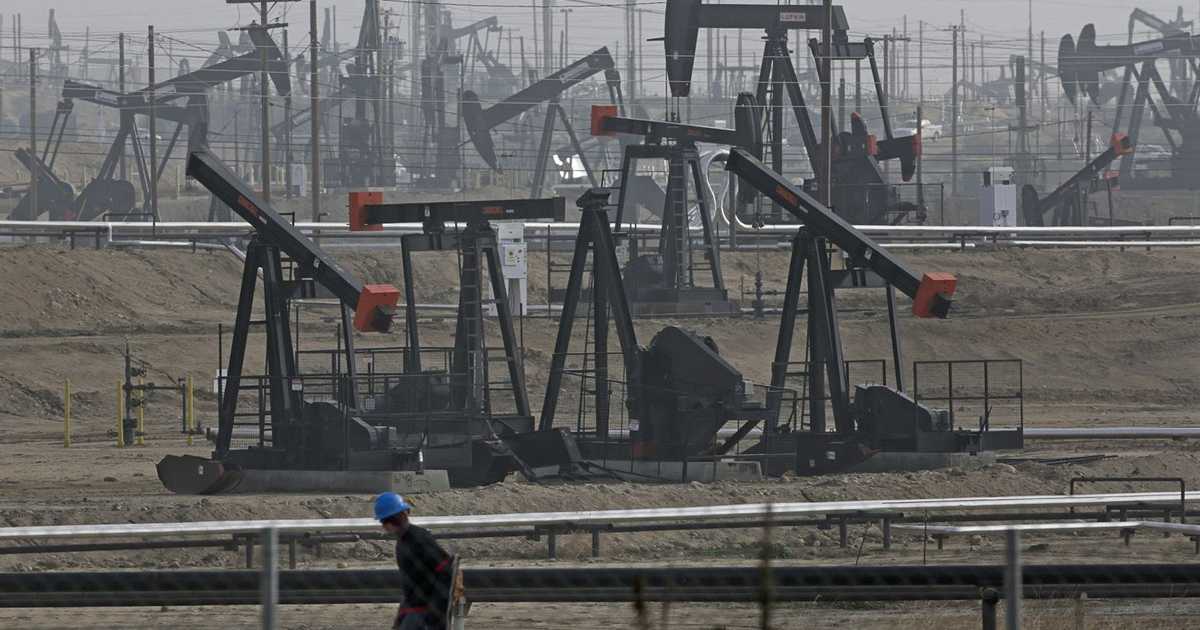
The U.S. is pushing a plan for allies to buy American oil directly to shore up their energy security, reduce dependence on hostile suppliers, and strengthen leverage when the United States moves against adversaries.
The Director of the National Economic Council, Kevin Hassett, laid out a straightforward idea: set up offtake agreements so allies have guaranteed supplies of U.S. oil. That would give those countries freedom to act without fear their fuel lines will be cut off by adversaries like Russia or Iran. This approach frames energy as a strategic tool, not just a market commodity.
Hassett described the practical conversation plainly, saying that allies often raise the issue in talks and would value certainty of supply. The administration sees these deals as insurance for European partners and a way to blunt leverage held by hostile regimes. From a Republican perspective, it’s common sense to turn American energy abundance into geopolitical strength.
Many of our shared adversaries, like Russia and Iran, control significant portions of Europe’s current supply, and therefore limit the action our allies can take against them.
🚨 JUST IN: The Trump administration is in talks with allies to have them buy a GUARANTEED amount of oil from America
Trump is delivering big on making us a net energy exporter! Drill baby drill! 🇺🇸
HASSETT: "If we set up offtake agreements with our allies so that they have a… pic.twitter.com/g2iWlgExkI
— Eric Daugherty (@EricLDaugh) April 9, 2026
“The President made a stunning comment the other night in his address to the nation that the U.S. produces more oil and gas than Saudi Arabia and Russia combined,” Fox News’ Maria Bartiromo said. “That was pretty incredible. So just to be clear, are you saying that you have received interest from allies across the world to buy oil and gas recently during this Iran conflict?”
“Right, it’s one of the things that people mention in conversation is that if we set up offtake agreements with our allies so that they have a guaranteed supply of U.S. oil, they’d have a much more secure energy supply,” Hassett said. “And that would be very, very good for reducing the risks that their country faces, and for sure we’ve had conversations about that really since the trade negotiations began years ago.”
That trade-history detail matters because it shows this isn’t a gimmick born overnight — it’s been part of negotiations and planning for years. The U.S. can export surplus energy and use those contracts to nudge behavior, not by lecturing but by providing a concrete benefit. Allies tied to American fuel would suddenly face real consequences for siding with our adversaries.
The backdrop is clear: frustration with NATO partners who didn’t pull their weight in recent operations has been building. The administration argues that energy leverage can translate into diplomatic and military leverage, encouraging allies to offer meaningful support when it counts. Republican voices see this as restoring a balance of responsibility within the alliance.
The White House has made it clear that continued one-way protection is unsustainable if allies won’t reciprocate when America acts overseas. That point was driven home by the President’s direct posts on Truth Social, which warned allies they must feel pressure. “NATO WASN’T THERE WHEN WE NEEDED THEM, AND THEY WON’T BE THERE IF WE NEED THEM AGAIN,” President Trump blasted out on Truth Social on Wednesday. “REMEMBER GREENLAND, THAT BIG, POORLY RUN, PIECE OF ICE!!! President DJT”
“None of these people, including our own, very disappointing, NATO, understood anything unless they have pressure placed upon them!!!” the president wrote Thursday.
Those are blunt messages meant to force a rethink in capitals that have long relied on U.S. deterrence while underinvesting in their own security. Using energy exports as leverage is a cleaner, cheaper option than demanding troops or frozen bank accounts. It’s a strategic carrot and stick rolled into one — and it leverages an American advantage the left often downplays.
Critics will cry protectionism or politicizing markets, but the reality is different: this is about national security and alliance cohesion. When nations rely on hostile suppliers, they lose policy freedom; when they buy straight from the U.S., they gain it back. For conservatives focused on strength and leverage, turning our energy into a strategic asset fits squarely with that belief.
Operational details will matter — contracts, delivery logistics, and price mechanisms will all need negotiation — but the core idea is simple and decisive. The administration’s pitch is to make allies safer and reduce the chance that foreign adversaries can blackmail European capitals. That outcome aligns with a vision where American strength creates real, measurable benefits for partners and for U.S. security interests.
Whether allies accept this sort of commercial-diplomatic swap will show how much they value independence from hostile suppliers. If they want the freedom to act with the United States, securing reliable U.S. energy makes that possible. For now, the administration has put a bold option on the table: use American production to protect freedom of action for friends and to tighten the screws on adversaries who have used energy as a weapon.