President Trump set a short deadline and warned of heavy military action if Iran does not lift its blockade of the Strait of Hormuz, Tehran pushed back, and mediators proposed a temporary ceasefire as talks continued under intense pressure.
President Donald Trump spent the weekend issuing blunt, public threats to Iran and set a firm cutoff: the regime had until Tuesday evening to end the blockade and move toward a lasting peace. The president framed the demand as straightforward and nonnegotiable, insisting that the United States will act if Iran refuses to comply. That posture reflects a White House willing to use forceful leverage to reopen vital sea lanes and protect American interests.
Iran’s leaders answered with defiance rather than conciliation, signaling they are prepared to press on despite heavy damage to their infrastructure. Mohammad Akraminia, spokesperson for the regime’s military, “We can continue the war as long as the political authorities see fit … the enemy must definitely regret it because, after this war, we need to reach a point of security and not witness another war.” Tehran’s rhetoric suggests it views bargaining as optional when national survival is at stake.
On social media, the president warned that refusal to lift the blockade would trigger targeted airstrikes on energy facilities and bridges, a message meant to raise the costs for Iran’s leadership. He warned that the regime would “be living in Hell.” The administration is clearly signaling that critical infrastructure is on the table and that escalation would be precise, not open-ended, while still designed to cripple Iran’s capacity to sustain the blockade.
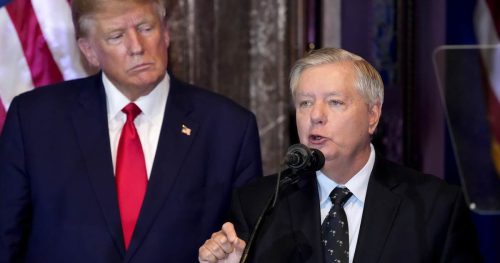
While briefings with reporters, the president described a peace proposal from Iran as a meaningful but insufficient step. “They’ve made a proposal, and it’s a significant proposal. It’s a significant step,” the president said. “It’s not good enough, but it’s a very significant step. They have made. They’re negotiating now, and they’ve made a very significant step. We’ll see what happens.
Trump also sought to underline U.S. military superiority and resolve, saying forces were “obliterating that country” while criticizing Tehran for refusing to yield. “And if they don’t, they’ll have no bridges, they’ll have no power plants, they’ll have no anything,” he added. The language was intentionally stark to make clear there will be tangible consequences for continued aggression in a vital maritime corridor.
As the deadline neared, Pakistan stepped into the diplomatic breach with a 45-day emergency plan called the Islamabad Accord intended to halt combat and buy time for negotiations. The proposal has two phases: an immediate cessation of military attacks and reopening of the Strait of Hormuz, followed by a 15-to-20-day window for Washington and Tehran to negotiate a more durable arrangement. The offer is a short-term truce designed to prevent further disruption while talks unfold.
Trump says Iran's peace proposal is "significant," but" not good enough." pic.twitter.com/BGyzTysJk9
— Jeff Charles, Asker of Questions🏴 (@jeffcharlesjr) April 6, 2026
Pakistani officials took the plan directly to U.S. and Iranian representatives, meeting with Vice President JD Vance, special envoy Steve Witkoff, and Iranian interlocutors to press the idea. That round of diplomacy was aimed at creating breathing room for negotiators while pressure remained on Tehran to choose between compromise and confrontation. The involvement of regional actors underscores how the crisis has drawn in neighboring states seeking to limit wider damage.
Iran has repeatedly rebuffed demands framed as ultimatums but has indicated a willingness to keep negotiating under the right terms. Iran’s foreign ministry spokesman Esmail Baqaei said the regime is reviewing Pakistan’s proposal but emphasized that “negotiation can in no way be compatible with ultimatums, crimes, or threats to commit war crimes.” Tehran insists dialogue must happen without coercion, even as U.S. officials argue pressure is necessary to secure compliance.
The standoff leaves the United States balancing two priorities: restoring safe passage through a strategic chokepoint and preventing an unchecked escalation that could draw more countries into conflict. From a Republican perspective, the choice is clear: show strength, enforce consequences, and force Tehran back to the table on American terms. The coming hours will test whether tough diplomacy backed by credible military options can produce a quick de-escalation or whether Iran will gamble on prolonging the confrontation.