A former U.S. Air Force master sergeant admitted to a long-running scheme that inflated Pacific Air Forces IT contracts by at least $37 million, funneled excess payments to co-conspirators and family members, and paid bribes to a federal official nicknamed “Godfather,” while agreeing to pay over $1.4 million in restitution as part of a 37-page plea agreement.
Alan Hayward James, 51, of Texas, pleaded guilty this week to conspiracy to commit wire fraud, bribery, and conspiracy to rig bids. The plea covers conduct spanning from at least April 2016 until about April 2025, according to court filings. Prosecutors say the scheme affected IT contracts serving U.S. Air Force installations across the Pacific.
Investigators allege James and his co-conspirators falsely inflated contract prices and then used the excess funds to enrich themselves and to provide benefits to an Air Force civilian employee and other associates. The group reportedly diverted funds for personal expenses, including an all-expenses-paid multi-day stay at a luxury resort on Oahu in 2023. From at least May 2019 until about October 2022, those who were supposed to bid competitively were instead directed on the exact amounts to submit.
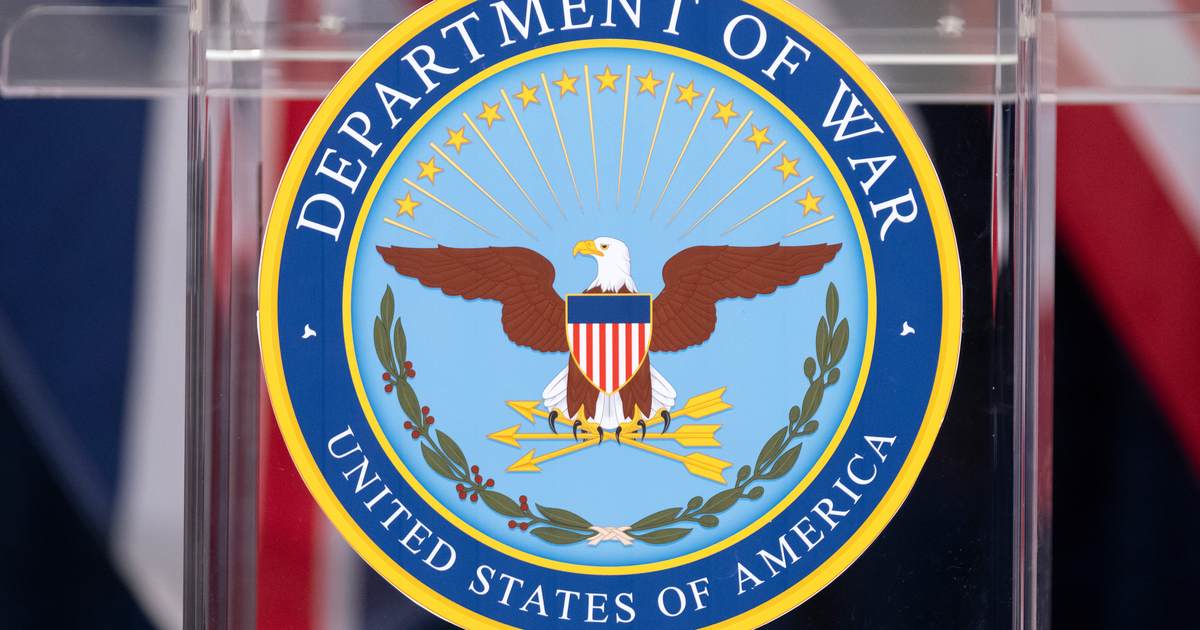
James also agreed to pay over $1.4 million in restitution to the U.S. Department of War, according to the plea agreement. The government estimates the overpayments to the Air Force totaled at least $37 million. “Over thirty-seven million dollars — that’s how much the U.S. Air Force overpaid because of the scheme that the defendant admitted to, under oath and in open court.” said Acting Deputy Assistant Attorney General Daniel Glad of the Justice Department’s Antitrust Division.
U.S. Attorney Ken Sorenson for the District of Hawaii emphasized the broader damage such schemes cause, saying they steal from taxpayers and undermine honest competitors. “Through this bid-rigging scheme, the defendant not only stole from American taxpayers and harmed companies seeking to compete honestly for government contracts, he also ultimately harmed essential military services designed to keep our nation safe by diverting resources away from other services,” said U.S. Attorney Ken Sorenson for the District of Hawaii. He noted that anti-competitive behavior in government contracting erodes trust in institutions and will be pursued.
Law enforcement agents stressed that this was a coordinated investigation across multiple agencies. “James’s guilty plea acknowledges his role in a long-running conspiracy to rig bids and defraud the U.S. government for personal financial gain,” said Special Agent in Charge John E. Helsing of the Department of Defense Office of Inspector General, Defense Criminal Investigative Service (DCIS), Western Field Office. DCIS worked with other partners to trace the alleged fraud and recover evidence.
Officials involved in procurement oversight also commented on the case’s implications for military readiness and acquisition integrity. “This case highlights the capabilities and strength of joint investigative efforts to defend and protect sensitive Department of War (DoW) acquisition systems,” said Special Agent Nicole Vanourek of the Air Force Office of Special Investigations (AFOSI), Procurement Fraud. She added that enforcing contracting requirements helps maintain the Air Force’s lethality and readiness.
Enforcement partners warned that procurement fraud harms more than budgets: it damages public trust and honest businesses. “Bribery, bid rigging, and wire fraud are not victimless crimes; they erode public trust, distort fair competition, and harm honest businesses who play by the rules,” said Special Agent in Charge Christopher Bjornstad of the U.S. General Services Administration (GSA) Office of Inspector General (OIG) Western Investigations Division. The GSA OIG and other agencies remain engaged in pursuing procurement fraud.
The legal stakes are significant. The maximum penalty for conspiracy to commit wire fraud is 20 years in prison and a $250,000 fine, while the maximum penalty for bribery is 15 years in prison and a fine of either $250,000 or three times the monetary value of the bribe, whichever is greater. For an individual convicted of conspiracy to rig bids under the Sherman Act, the maximum prison term is 10 years and the statutory fine is $1 million, subject to possible increases to reflect gains or losses tied to the crime.
A federal district court judge will determine James’s sentence after considering the U.S. Sentencing Guidelines and other statutory factors. The Antitrust Division’s San Francisco Office and the U.S. Attorney’s Office for the District of Hawaii are prosecuting the case, which was investigated with assistance from DOD-OIG-DCIS, AFOSI, and GSA-OIG. The plea agreement and court filings run to 37 pages and document the alleged scheme in detail.