U.S. forces have reportedly struck Kharg Island, a critical hub for Iran’s oil revenue, hitting military and support targets while avoiding commercial docks; officials and commentators are framing the action as a decisive move in a broader campaign to degrade Iran’s capacity to fund and sustain hostile operations.
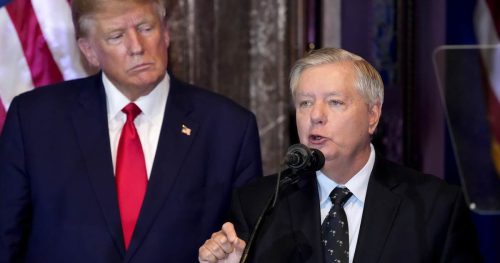
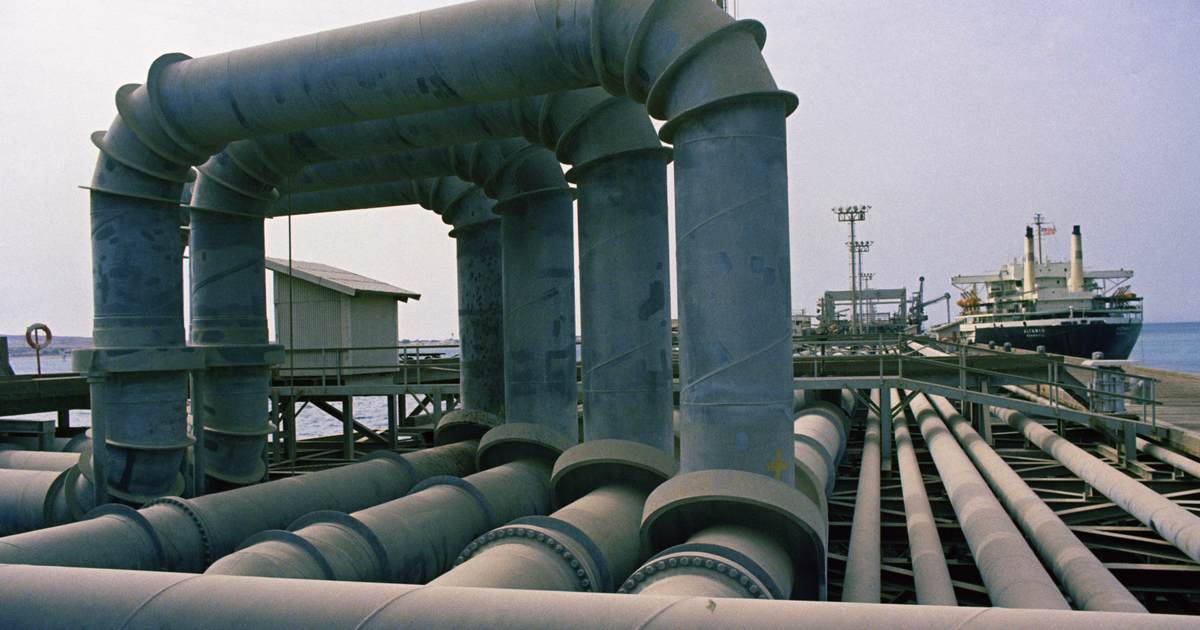
Kharg Island sits at the center of Iran’s oil export apparatus, making it strategically important beyond its size, and debate over its role in any conflict has been public for months. Back in March, there was talk of the U.S. taking control of Kharg Island, where the majority of Iran’s oil and gas revenue is generated. Senator Lindsey Graham said the President should take the Island, saying the “war is over” if we do.
The U.S. military conducted strikes on military targets on Kharg island, U.S. official says
— Barak Ravid (@BarakRavid) April 7, 2026
That public pressure, combined with a pattern of Iranian provocations, made the island an obvious candidate for military action in Washington’s assessment. It increasingly looked like Kharg Island was going to be a target, and now we’ve apparently struck the Island. Officials are framing these strikes as precise and limited, aimed at degrading capabilities without triggering unnecessary escalation.
The targets reportedly included bunkers, radar stations, and ammunition storage. The U.S. did not target docks. Eyewitness accounts and preliminary reports suggest the strikes were synchronized to minimize civilian exposure while damaging command-and-control and logistical nodes that enable Iran’s proxy operations.
— Current Report (@Currentreport1)
President Trump has given Iran until tonight to agree to a ceasefire deal. So far, Iran has rejected any deals. That timeline has placed additional pressure on Tehran to respond diplomatically instead of militarily, but their refusal so far has not surprised U.S. policymakers who expected a hardline posture from the regime.
From a Republican perspective, this action reads as necessary enforcement of red lines that previous administrations treated as rhetorical threats rather than operational priorities. The goal, at least publicly, is narrow: remove the assets that let Iran project power across the region and fund hostile actors, while preserving the ability to scale responses if Iran escalates. Advocates of the strikes argue that decisive action now prevents a much costlier conflict later and upholds deterrence in a way that weak responses never have.
Military planners reportedly avoided infrastructure tied directly to commercial trade to limit economic fallout and to maintain a clearer moral and legal line between military targets and civilian commerce. That distinction matters for maintaining international support and for ensuring regional partners do not feel compelled into full-blown alignment with either side. Observers will be watching shipping lanes and insurance markets over the next days for any knock-on effects, though immediate disruption appears to have been a secondary consideration in the targeting decisions.
Editor’s Note: For decades, former presidents have been all talk and no action. Now, Donald Trump is eliminating the threat from Iran once and for all.
What happens next hinges on Tehran’s choice: de-escalate and enter meaningful negotiations, or respond in ways that invite further pressure. Either path will force sober assessments in capitals across the region and in Washington about how to lock in gains and avoid broader conflagration. In the near term, expect continued intelligence operations, diplomatic outreach to Gulf partners, and public messaging designed to underscore that the strikes were targeted and reversible depending on Iran’s conduct.