U.S. forces intercepted and seized an Iranian-flagged merchant ship attempting to breach a naval blockade in the Strait of Hormuz, with President Donald Trump announcing U.S. personnel now have custody of the vessel and are searching it. The guided missile destroyer USS Spruance carried out the interception after warnings were ignored, and U.S. Marines have since boarded the ship. The incident comes amid a fragile ceasefire and scheduled peace talks between the two countries.
President Donald Trump announced Sunday that American naval forces captured an Iranian-flagged merchant vessel that tried to run the blockade set up at the Strait of Hormuz. The operation reflects a clear, hard-line posture toward those who test U.S. red lines at sea. The move signals that Washington is willing to use measured force to enforce maritime security and protect vital shipping lanes.
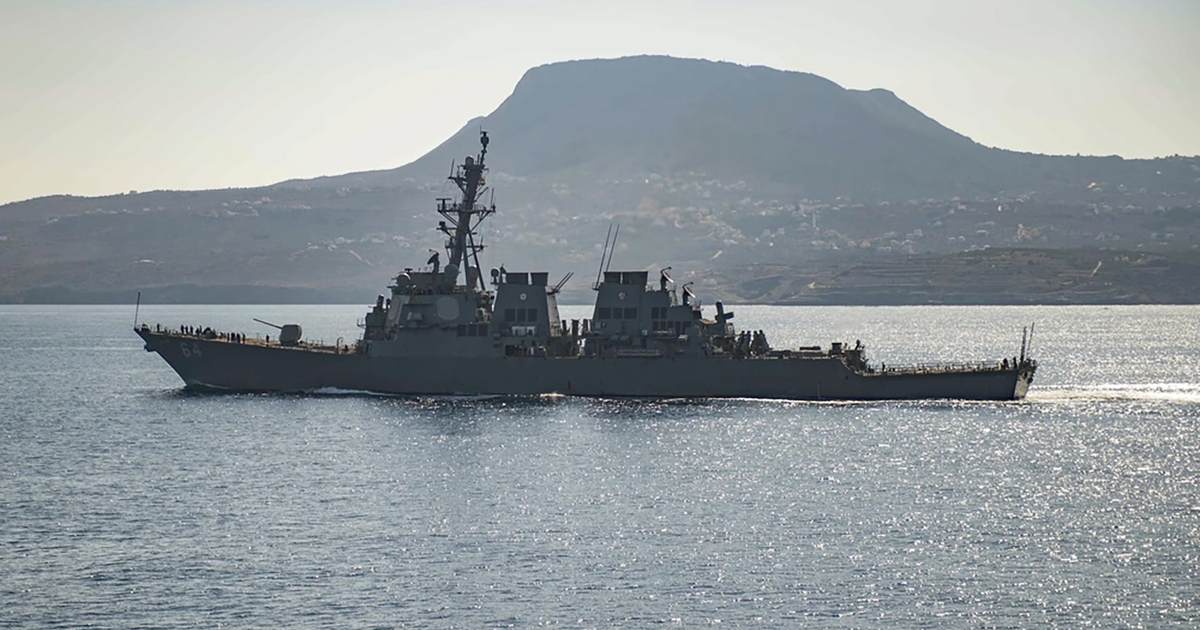
Trump said the USS Spruance, a guided missile destroyer, intercepted the Iranian-flagged cargo vessel Touska after the ship ignored repeated warnings to stop. According to the president, the Spruance “stopped them right in their tracks by blowing a hole in the [engine room,],” and American forces moved in to secure the vessel. That exact phrasing captures how decisively the Navy acted when the crew refused to comply with lawful orders.
BREAKING: President Trump just announced the US military has SEIZED an Iranian cargo ship which attempted to GET PASSED America’s Naval blockade
President Trump wasn’t bluffing.
“It did not go well for them.
The U.S. Navy Guided Missile Destroyer USS SPRUANCE intercepted the… pic.twitter.com/hxKGnZMuQZ
— Nick Sortor (@nicksortor) April 19, 2026
Following the disabling strike, U.S. Marines boarded the vessel and established control, beginning a systematic search of the ship and its cargo. Boarding teams are trained to secure evidence, identify personnel, and ensure the safety of everyone aboard while protecting national security. Reports indicate the Marines are conducting their duties with clear rules of engagement and a focus on intelligence collection.
The USS Spruance has already been prominent during this blockade effort, having conducted one of the first stops after the blockade began days earlier. That earlier action helped make this interception possible by reinforcing the blockade and deterring routine challenges. The repeat appearance of Spruance demonstrates the Navy’s sustained presence and commitment to enforcing the operation.
Tensions remain high even though a ceasefire is in place, and both sides are set to meet for peace talks in Islamabad, Pakistan, on Tuesday. Diplomatic channels can work when backed by the credible threat of force, and enforcing the blockade sends a strong message before negotiators sit down. The timing makes clear that military pressure and diplomacy are being used together to shape outcomes.
From a conservative perspective, this action reinforces a core principle: peace through strength. For decades, critics said talk without backing would fail to deter dangerous actors, but this operation shows a willingness to act decisively when national security is at stake. The seizure of a vessel attempting to evade a lawful blockade is a straightforward enforcement of international rules designed to stabilize the region.
Naval operations in the Strait of Hormuz are always high stakes because the waterway handles a significant share of global energy shipments and commercial traffic. Maintaining freedom of navigation and preventing hostile actors from exploiting commercial cover is essential to protecting American and allied interests. The Spruance’s actions were aimed at denying a potential threat that could have consequences beyond a single ship.
U.S. forces will continue to monitor the situation closely, gather intelligence from the seized vessel, and coordinate with allies and partners in the region. The seizure is part of a broader campaign of pressure meant to prevent further escalations and to support any diplomatic process that follows. The goal is to keep Americans safe while creating the best possible conditions for productive talks.
Editor’s Note: For decades, former presidents have been all talk and no action. Now, Donald Trump is eliminating the threat from Iran once and for all.