Between 20 and 30 gunshots were reported outside the White House moments ago, and the U.S. Secret Service rushed reporters to the briefing room while President Donald Trump is reportedly trying to finalize a peace deal with Iran.
Between 20 and 30 gunshots were reported outside the White House moments ago. The immediate picture was chaotic, with staffers and press quickly moved to safety. White House grounds were secured as agents and officers established a perimeter and began an initial sweep.
The U.S. Secret Service rushed reporters to the briefing room. That swift move followed established protocols designed to protect the president, visitors, and anyone inside the complex. In tense moments like this, the priority is clear: get people out of harm’s way and control the scene.
The news follows as President Donald Trump is reportedly trying to finalize a peace deal with Iran. That context raises obvious national-security concerns and adds urgency to the investigation into what happened. Any incident near the executive residence while sensitive negotiations are underway demands a full and transparent review.
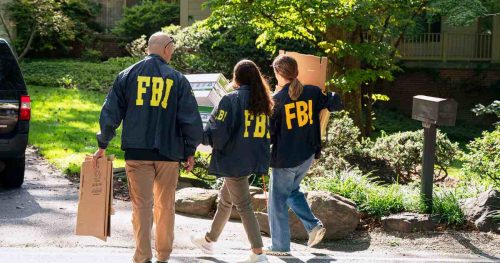
At the scene, witnesses described confusion and a rapid response from uniformed officers. Law enforcement reportedly sealed off nearby streets and questioned potential witnesses while forensics teams began collecting evidence. Sources on the ground said multiple law-enforcement units coordinated the initial stages of the response.
Shots fired at the white house
I heard about 30 shots
Secret service rushed us into press briefing room @NewsNation @DCNewsNow pic.twitter.com/j0f0eJH3nF— Chris Flanagan (@ChrisFlanaganTV) May 23, 2026
Secret Service procedures focus on layered defense, access control, and immediate evacuation or sheltering depending on the threat. Those are not abstract measures; they are practiced routines meant to work exactly when seconds matter. When agents move people into the briefing room, they are applying a familiar protocol that limits exposure and centralizes communications.
Officials have been tight-lipped about specific operational details, citing an ongoing inquiry. That silence is understandable because disclosing certain steps can impede a proper investigation. Still, citizens and the press will expect timely updates about what triggered the shots and whether anyone was hurt.
Local law enforcement teamed up with federal agencies to canvass the perimeter and check surveillance footage. Cameras on and around the White House are part of a dense network that usually yields vital leads in minutes. Investigators will be piecing together time stamps, acoustic data, and eyewitness accounts to build a clear timeline.
In Washington, any violence near the executive mansion echoes far beyond the immediate physical damage. It tests the capability of agencies tasked with protecting national leaders and highlights vulnerabilities that deserve attention. From a public-safety perspective, citizens should want a thorough, no-excuses accounting of what occurred and why.
Officials have not yet released names of victims or suspects, and that information may take time to confirm. Law enforcement priorities are clear: secure the area, preserve evidence, and make sure there is no continuing threat. As inquiries progress, expect more specific briefings from agencies directly involved in the response.
The optics of an incident like this are unavoidable, especially given the president’s diplomatic efforts. While investigators work, the political fallout will play out across media and in public debate, with Republicans insisting on strong security and a facts-first explanation. Objective reporting and a disciplined investigation will be essential to restore confidence.
Frequently, these events trigger a broad review of protocols and communications between federal and local partners. Lessons learned from this response could lead to updated procedures or additional resources where gaps are found. Whatever follows, those responsible for the nation’s security should show they acted decisively and learned every lesson available.
For families, staff, and visitors near the scene, the immediate aftermath can feel like its own emergency, even after the area is cleared. Support services and counseling are often offered when high-profile incidents rattle a community, and agencies will likely coordinate those resources. The human side of such events matters as much as investigative outcomes.
Political leaders from both parties typically call for calm and for officials to await the facts. In this case, the Republican view emphasizes the need for robust security measures and swift transparency. Citizens should hear clear, factual briefings from those on the front lines rather than speculation or partisan spin.
Observers will be watching for any link between this shooting and broader geopolitical tensions, especially because of the reported Iran negotiations. A direct connection would escalate both policy and security implications, so investigators will treat that possibility seriously. Until evidence supports such a link, claims should be restrained and grounded in verified information.
As agencies collect evidence and interview witnesses, the public should expect a staggered flow of confirmed details. That slow drip sometimes frustrates a media cycle eager for instant answers, but careful handling of facts preserves the integrity of the investigation. Officials owe the country both speed and accuracy.
Finally, the presence of gunfire so close to the White House is a stark reminder of the risks public officials and the press encounter in their daily work. Protecting leaders and the institutions they represent requires vigilance, resources, and accountability. The coming days will show how well those systems performed and what changes might be needed.