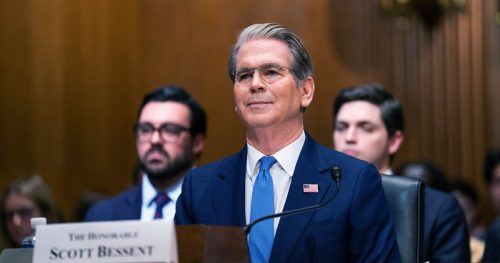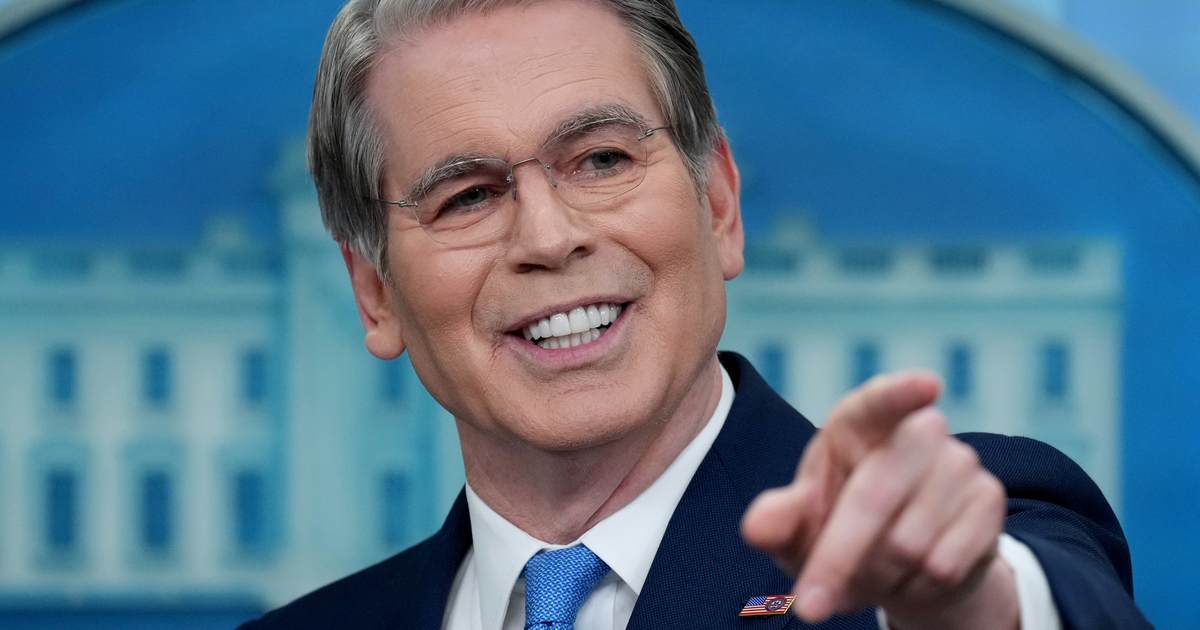
Scott Bessent squared off with the press, turned a cabinet photo op into a lesson in media theater, and walked away with the kind of sharp, sarcastic comeback that makes the whole room squirm.
Was the exchange a setup or simply a moment that exposed how today’s press corps chases texture over substance? Either way, it highlighted how experienced political operatives know the game and how to play it back at the media. With figures like JD Vance and Scott Bessent around, the White House now fields people who understand provocation, mockery, and the utility of a pointed line. That matters when coverage is geared toward optics instead of outcomes.
The day began with a press briefing that quickly turned chaotic, the kind of scene where reporters try to force a scoop out of anything they can frame. Bessent took aim not just at questioning but at The Washington Post over an item about commemorative banknotes featuring President Trump tied to the nation’s 250th birthday. He wasn’t shy about calling out sloppy narratives or obvious attempts by outlets to manufacture controversy and attention.
Inside the cabinet meeting, a photographer captured a close-up of Bessent’s notepad, and the resulting chatter centered on the single word he had underlined. Reporters parsed handwriting and tried to spin strategy from a snapshot, which is exactly the moment Bessent used to push back on the herd. When asked why he wrote all those notes, Bessent said, “So people could look over my shoulder, photograph them, and think they got a scoop.”
And yes, an outlet like The New Republic would run with something like this:
https://x.com/townhallcom/status/2060070405457457595
Treasury Secretary Scott Bessent was focused on one predominant message during Wednesday’s Cabinet meeting: resilience, resilience, resilience.
At least, that’s what his notes let on. Evan Vucci, a senior photojournalist for Reuters, snagged a shot of Bessent’s writing pad, capturing several words the treasury secretary had scrawled in front of him.
“Resilience,” Bessent wrote, with an underscore beneath it.
Bessent also jotted down “Operation Economic Fury,” referring to the economic pressure and sanctions campaign initiated by the Trump administration against the government of Iran.
In parentheses, accompanied by a check mark, Bessent wrote: “Just in time, just in case,” and then, underneath that, another mention of “resilience” and “prosperity.”
That excerpt shows how outlets elevate crumbs into narratives, treating a jot on a legal pad like a leaked master plan. The photograph triggered a cascade of interpretation, with reporters eager to read strategy into a few scrawled words rather than report actual policy. Bessent’s line about letting people photograph him flipped that instinct on its head and exposed how thin many modern scoops really are.
There’s an art to pushing back when the media pivots from reporting to performance. Bessent demonstrated it by being direct and slightly mocking, which is effective when the press posture is performative and self-congratulatory. The move didn’t invent policy or rewrite facts, but it did put the spotlight back on the people asking the questions and whether they deserved the elevation they give themselves.
Call it theater or call it strategy, officials who know how the media operates can use that dynamic to their advantage, shaping moments rather than being shaped by them. That’s what we saw from Bessent: a deliberate use of optics to drain a story of its manufactured drama. The result was a reminder that sometimes the best cover is to make the would-be scoop look thin and self-important.
From a conservative viewpoint, this kind of exchange is instructive because it exposes bias and elevates plain-speaking over performative outrage. When reporters chase a photo and stitch together a narrative around a single word, the public deserves a little pushback and a reminder that governance is not a series of sound bites. Bessent’s response was short, pointed, and designed to puncture that bubble, and for many watching, it landed just right.
Media outlets will keep hunting for texture and for moments they can amplify, but officials who can read that hunting will keep the narrative honest by refusing to play the victim or the supplicant. The press will find new angles tomorrow, but exchanges like this show that a smart, blunt answer on the record still works as a corrective. That’s a small lesson for how communication and accountability can actually look when someone refuses to be run ragged by manufactured scoops.