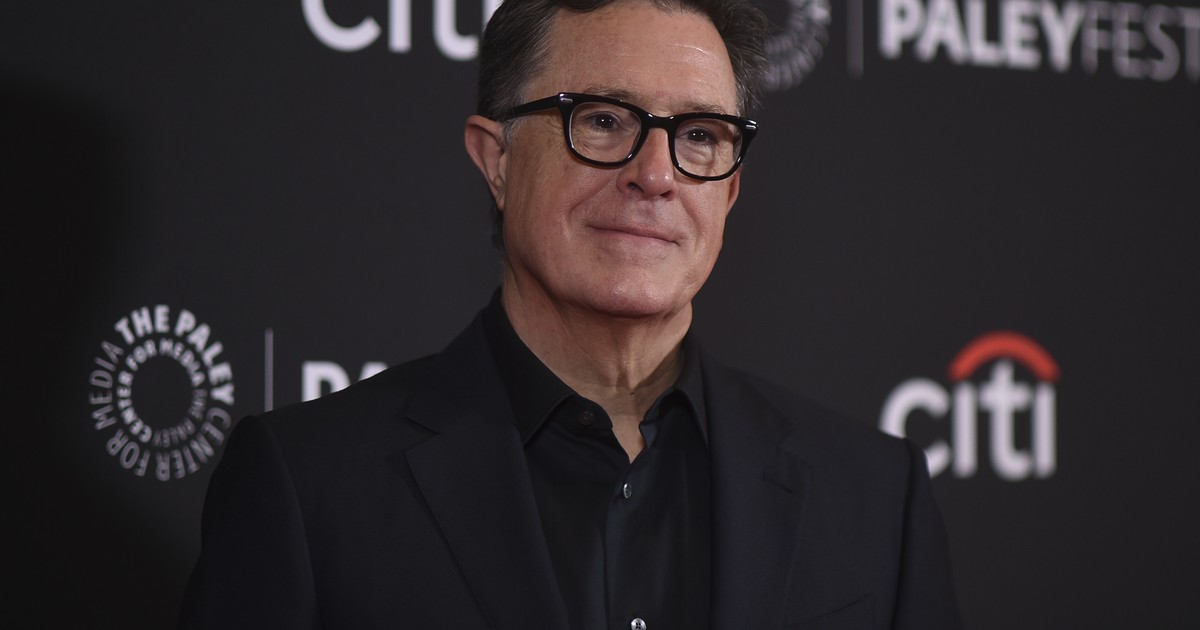
CBS pulled the plug on Stephen Colbert after 11 seasons, and the decision came down to shrinking audiences, brutal math and a show that never found a sustainable audience for the cost.
CBS has officially cancelled Stephen Colbert’s show after 11 seasons, and these tweets explain why. The move marks the end of a long run that began when Colbert took over The Late Show in 2015, and it’s also a clear signal that network executives are no longer willing to subsidize a high-cost production that keeps shrinking.
Colbert’s audience has been dropping as fewer people watch cable and late-night shows. Colbert took over The Late Show in 2015, and it apparently averaged about 2.7 million viewers a night during the show’s final quarter, a number that looks weak next to the expense and expectations that come with a flagship network slot.
The financials are blunt: the operation reportedly ran on roughly a $100M budget, and sources point to as much as a $40M loss when you factor production costs, talent deals and advertising declines. That kind of gap is tough for any network to justify, especially when advertisers are more picky about audience demographics and measurable returns than they used to be.
On the show’s last night, Colbert took a picture with a massive number of people who apparently contributed to the show in some way. Brian Stelter shared that picture, which got more views than The Late Show usually did. Those final moments made for a sentimental snapshot, but they also highlighted how much manpower and overtime went into keeping a primetime studio running.
Many shows run on a tight budget and skeleton crew, but this wasn’t one of them. The scale mattered: a big staff, elaborate segments and high production values all drive costs up, and when the audience skews older or just smaller, advertisers pull back and executives start asking hard questions about sustainability.
And it’s the reason they were canceled. That head count is more than most decent sized businesses. For 3 jokes a night, at best. https://t.co/50pAssA87w
— GregGutfeld (@greggutfeld) May 23, 2026
The show also struggled on the content side. The Late Show failed to attract younger viewers because it wasn’t funny, it didn’t break news, and it existed to promote the Democrat party. That blunt assessment echoes what critics have said for years: late-night needs fresh angles and crossover appeal if it wants to survive the streaming era and social media attention economy.
From a Republican viewpoint, this outcome is predictable. Networks spent decades building an ecosystem that rewarded partisan late-night commentary, and when cultural shifts drained linear audiences, the bill finally came due. Viewers vote with their eyes and thumbs, and when a program stops delivering cultural currency—viral moments, scoops or genuinely funny television—advertisers follow the audience elsewhere.
The cancellation will force networks and producers to rethink the whole late-night playbook. Expect leaner sets, fewer writers on retainer, and attempts to court younger viewers with sharper, less preachy comedy that can live on clips and social platforms. The industry’s pivot won’t be painless, but the math that sank Colbert’s Late Show is the kind of reality television budgets can no longer ignore.