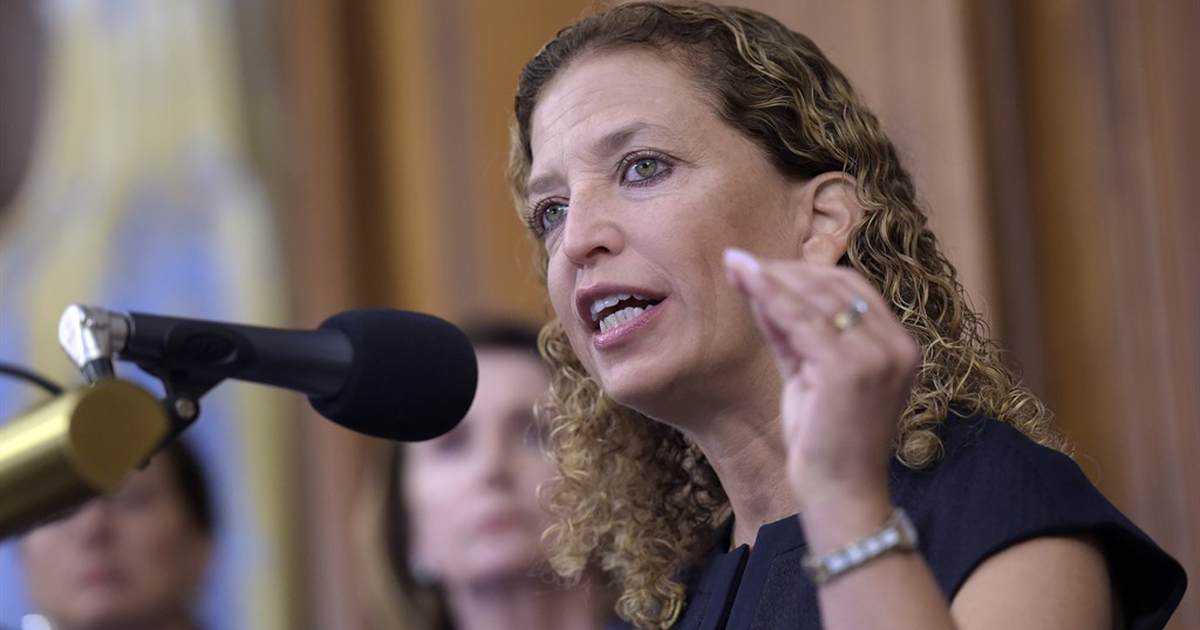
The fallout from Florida’s new maps has sparked a fierce fight inside the Democratic ranks, centered on Rep. Debbie Wasserman Schultz’s plan to run in a heavily Black district and the backlash from local DNC members.
The new Florida maps are staying in place, and that means some Democrats will be scrambling to find ground where they can. One of the biggest flashes came when Rep. Debbie Wasserman Schultz announced she would run in a district that is majority Black, a move many local leaders say should be reserved for a candidate of color. That decision immediately turned routine redistricting chaos into a heated intra-party dispute.
Local DNC members in the Florida 20th district reacted sharply, arguing the seat should be represented by someone from the community it serves. Schultz pushed back, pointing to her track record and saying she’s running on the issues and experience she brings from Congress. Her defense also referenced that her former district had a Hispanic majority, but critics call that a weak comparison and say the communities are not interchangeable.
Florida judge denies temporary injunction to block newly Redistricted map
Redistricted map:
🔴 Republicans: 24 (+4)
🔵 Democrats: 4 (-4)(+/- vs old map) pic.twitter.com/yKpEtl9V3t
— OSZ (@OpenSourceZone) May 26, 2026
Pressure built fast. Every member of the Democratic National Committee in the Florida 20th signed a letter condemning Schultz’s run: The letter framed the move as a problem of representation, not just politics, and made it clear these local leaders wanted to see a person of color on the ballot for that district. That collective rebuke is rare and supplies a powerful political weapon for challengers who want to paint Schultz as out of touch with the district’s identity.
The debate has clear strategic angles. For some Democrats, the concern is about optics and trust—voters in the 20th have long expected someone who reflects the district’s demographic makeup. For others, this is also a warning about how the party handles sensitive questions of race and representation before a national election cycle. Both the practical stakes and the symbolic stakes are high for a party that likes to claim it speaks for diverse communities.
The tone on the ground is fierce and unforgiving, and that’s exactly what opponents want. Candidates and activists who oppose Schultz are treating this like a test of principle: should district residents get to pick their representative from people who look like them and share cultural ties, or can incumbency and experience trump that? That simple question is tearing at local alliances and energizing primary voters.
Schultz’s defenders argue experience matters in Washington and that she knows how to get things done, which can resonate with voters worried about federal impacts on local issues. But experience alone hasn’t quieted critics who see the candidacy as a form of political cannibalism, with one Democratic faction appearing to step on another to hold power. That intra-party tension is now a spectacle, and it could influence how national Democrats manage similar fights elsewhere.
Watch for endorsements and outside money to arrive quickly; where there’s a smell of a vulnerable incumbent, interest groups and PACs usually follow. If the race becomes a full-blown primary slugfest, expect narratives about identity politics, party loyalty, and electability to dominate the commercials and social feeds. That’s bad news for a party that wants unity heading into fall campaigns.
Regardless of how this particular fight ends, the episode exposes a recurring problem for national Democrats: when local leaders push back against national figures, it creates ugly headlines and forces the party to pick sides. Those choices have consequences in turnout, donations, and national messaging, and they rarely resolve without leaving scars. For Republicans watching, every Democratic civil war is an opportunity to point to chaos and disunity ahead of next year’s races.
Editor’s Note: Do you enjoy Townhall’s conservative reporting that takes on the radical left and woke media? Support our work so that we can continue to bring you the truth.
Join Townhall VIP and use promo code FIGHT to receive 60% off your membership.