An illegal alien in New Hampshire stole an American identity and collected more than $300,000 in taxpayer-funded benefits over decades, pleaded guilty, and now faces federal sentencing on Sept. 8, 2026.
Juan Felipe Chalas, 58, a Dominican national living in Salem, New Hampshire, admitted he used a stolen identity to secure U.S. passports and federal benefits for years. Prosecutors say he falsified a passport application and unlawfully obtained Supplemental Nutrition Assistance Program (SNAP) benefits along with other federally funded assistance. The case underscores how identity theft can let someone remain hidden in plain sight while tapping government programs.
Chalas pleaded guilty to making a false statement in a passport application and to unlawfully obtaining benefits. He was one of nine people charged earlier this year in a broader benefit fraud crackdown and remains in federal custody pending sentencing. Sentencing is set for Sept. 8, 2026, at which point federal judges will weigh the plea deal and restitution demands.
Under the terms of his plea agreement, Chalas agreed to one year of incarceration and two years of supervised release. He also agreed to pay restitution totaling $304,932, broken down as $12,584 to the Massachusetts Department of Transitional Assistance for SNAP benefits, $25,491 to the Social Security Administration for disability benefits, and $266,857 for MassHealth benefits. Those figures show how quickly improper benefit access can add up and burden state and federal budgets.
Investigators say Chalas assumed the identity of an American citizen from Puerto Rico as far back as 1996 and used that identity to get United States passports in 1998, 2010 and 2023. He also obtained multiple Massachusetts Registry of Motor Vehicles identifications under the stolen name, according to court filings. That pattern—decades-long identity misuse to maintain access to documents and services—is exactly the kind of exploit that weak border and document controls enable.
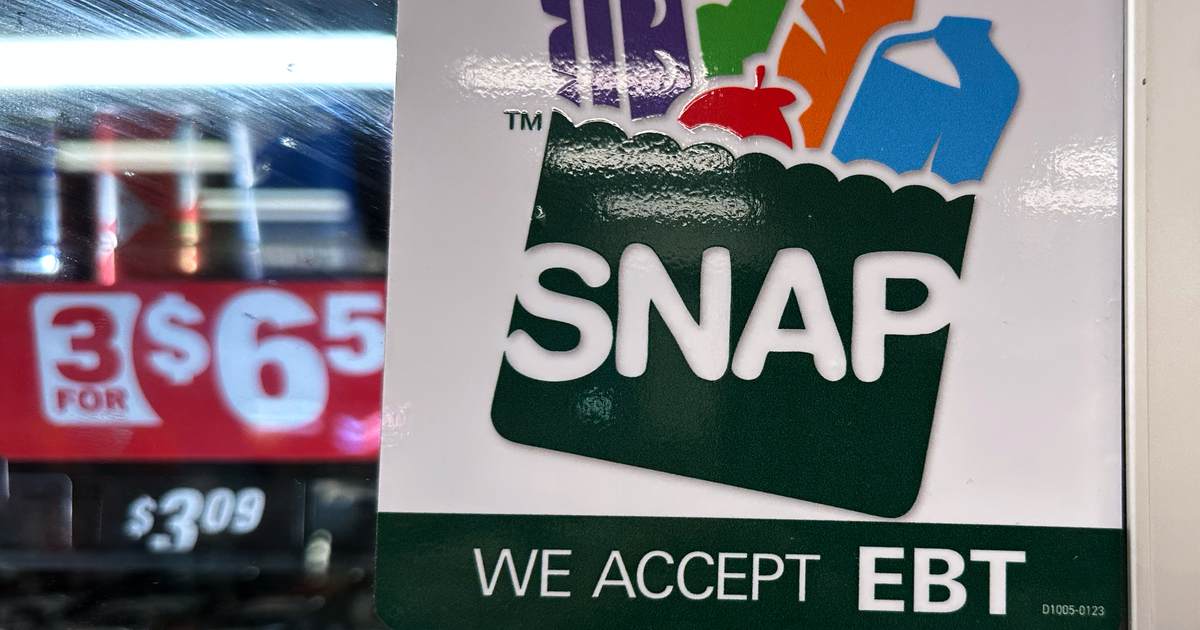
The SNAP program helps feed about 41 million people nationwide but is stuffed with fraud, according to U.S. Department of Agriculture Secretary Brooke Rollins. Roughly 29 states have shared SNAP data with the federal government to root out abuse, yet 23 states, including Massachusetts, have refused to share that data with federal investigators. That split in cooperation makes it easier for fraudsters to slip through administrative gaps and keep collecting benefits they are not entitled to.
A Dominican man unlawfully residing in Salem, N.H., pleaded guilty to stealing the identity of an American citizen from Puerto Rico to obtain a U.S. Passport used to steal over $300,000 in SNAP, Social Security and MassHealth benefits from Massachusetts.
— Fall River Reporter (@FallRiverReport) May 23, 2026
This case highlights two problems: identity theft tied to long-term immigration violations and uneven state cooperation on program integrity. When states decline to share data, it creates blind spots across federal programs that criminals can exploit. Conservative lawmakers have argued for stricter verification and stronger penalties to protect taxpayers and the integrity of public assistance.
Federal authorities say the investigation involved coordination among multiple agencies, and the announcement listed a roster of officials tied to the probe. United States Attorney Leah B. Foley; Jeff Grimming, Acting Special Agent in Charge of Homeland Security Investigations in New England; Amy Connelly, Special Agent in Charge of the Social Security Administration, Office of Inspector General, Office of Investigations, Boston Field Division; Charmeka Parker, Special Agent in Charge of the U.S. Department of Agriculture – Office of Inspector General, Northeast Region; Nathan Hebert, Special Agent in Charge of U.S. Department of State’s Diplomatic Security Service, Boston Field Office; and Roberto Coviello, Special Agent in Charge of the Department of Health and Human Services, Office of Inspector General made the announcement today. Assistant U.S. Attorney Mark Grady, Deputy Chief of the Major Crimes Unit, is prosecuting the case.
Taxpayer-funded programs are meant for people in need, not for criminals who steal identities and fake their way into benefits. Cases like this one demand tougher enforcement, better data sharing between states and the federal government, and sharper vetting of documents used to access benefits. Accountability and cooperation across agencies remain the best defenses to prevent similar schemes from draining public resources.