Sarah Trone Garriott’s decision to open an Iowa Senate session with a Muslim prayer has ignited a heated debate, with critics saying she insulted concerned Iowans while supporters called it an inclusive gesture. A clip of her comments has been circulating widely, and the exchange has become a campaign issue in a competitive House race. The reactions show how religious practice, civic ritual, and politics can collide in a tight midwest contest.
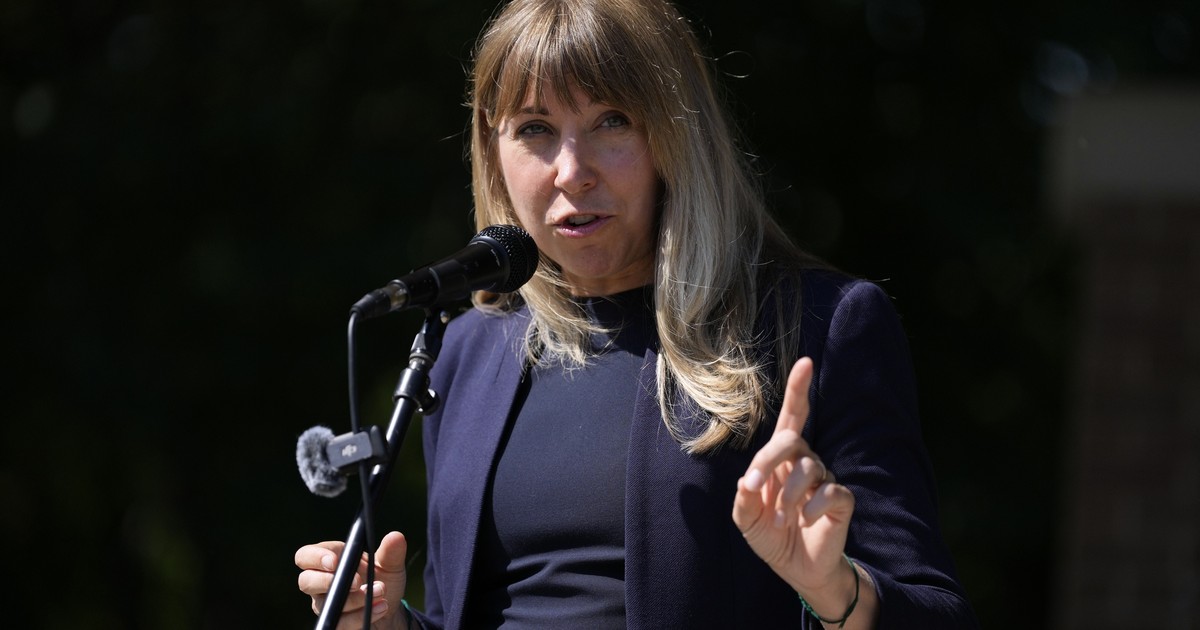
An unearthed clip of Sarah Trone Garriott, a member of the Iowa State Senate and a Democratic candidate for the U.S. House, has been circulating online after she defended starting a legislative day with a Muslim prayer. She framed the move as an effort to include Des Moines’ diverse faith communities and said critics who pushed back were motivated by animosity. The clip has become a focal point for opponents who say elected officials should not belittle constituents raising concerns.
The most striking detail for many was that Garriott is an ordained Lutheran minister and pastor, a fact that sharpened the debate over intent and responsibility. For Republicans watching the race, it raised questions about why she would castigate voters instead of engaging them. That tension has already become campaign talking points as both sides press their cases to voters.
“So the Senate begins every day with prayer, and the majority of members in the Senate are Christian, and they almost always share Christian prayers,” Garriott said. “Right now, because of COVID, we can’t invite religious leaders to come pray on our behalf, so we’re praying our own prayers, and for me, it’s really important to make sure that the diverse religious communities here in Des Moines get to have their voice heard. And so I’ve made a commitment to only be praying prayers from those other communities.”
🚨 UNEARTHED
Iowa Congressional candidate Sarah Trone Garriott slanders Iowans by calling them racist.
"I think that there is just some horrible animosity towards our Muslim neighbors." pic.twitter.com/5gdNEs3aZz
— RNC Research (@RNCResearch) May 6, 2026
“And so the first person I thought of was a good friend, a young woman who was a wonderful poet, and I asked her to write a poem, a prayerful poem, for us to begin the day, and it used many attributes of God and used the Arabic language,” she continued. “And so I thought it was just a lovely way to begin the day. And I did not hear any negative feedback from my colleagues in the Senate, but then it got picked up by a pretty hateful website called Jihad Watch, and then I started to get these very negative emails and pieces of mail, mostly saying that I didn’t understand what I had done and that I was praying to a different God.”
“And I feel very strongly that if we are going to have prayer, it needs to be open to all people in our community, and I think that there’s just some horrible animosity towards our Muslim neighbors,” Garriott added. “And we have a significant Muslim population in this metro area, and those voices deserve to be heard.”
This controversy comes as Garriott has shown strength in recent polling and is currently ahead of the incumbent Republican, Zach Nunn, making every scrap of media attention more consequential. Campaigns on both sides have seized on the episode to define narratives—her campaign as inclusive, her opponents as defending constituents’ concerns. That dynamic guarantees the prayer flap will keep getting play between now and Election Day.
On Tuesday, Vice President JD Vance held a campaign event with Nunn and criticized Garriott’s policy proposals as well as what he described as a lack of concrete plans on boosting take-home pay or tackling housing costs. Vance singled out cultural issues, including Garriott’s stance on sports eligibility, and contrasted those items with the gains he credited to the Trump administration and Republican policy. The appearance underscored how national figures are jumping into the race to shape its messaging.
Republican strategists say the exchange highlights a broader problem: when candidates respond to pushback by labeling voters as hateful, it only hardens opposition. Conservatives watching the clip argue that elected officials should answer questions directly and respect the views of constituents rather than dismissing them. That argument will be deployed in campaign ads and town halls where voters want clear explanations, not moralizing.
Supporters of Garriott counter that including different faith traditions at the start of the day is a way to reflect a pluralistic community and to make sure minority voices aren’t excluded from civic life. They say her background as a pastor gives her the credibility to lead such gestures and that accusations of bias are politically motivated. The debate over respect, representation, and ritual now sits squarely in the middle of a competitive congressional race.
What matters for voters is how these moments translate into policy and governance, and whether candidates will focus on bread-and-butter issues or cultural flashpoints. Republicans in the district are pressing on issues like paychecks and housing, while Democrats aim to paint concerns about the prayer as fear-based attacks. Expect the back-and-forth to continue as campaigns try to lock in undecided voters ahead of the primary and general contests.