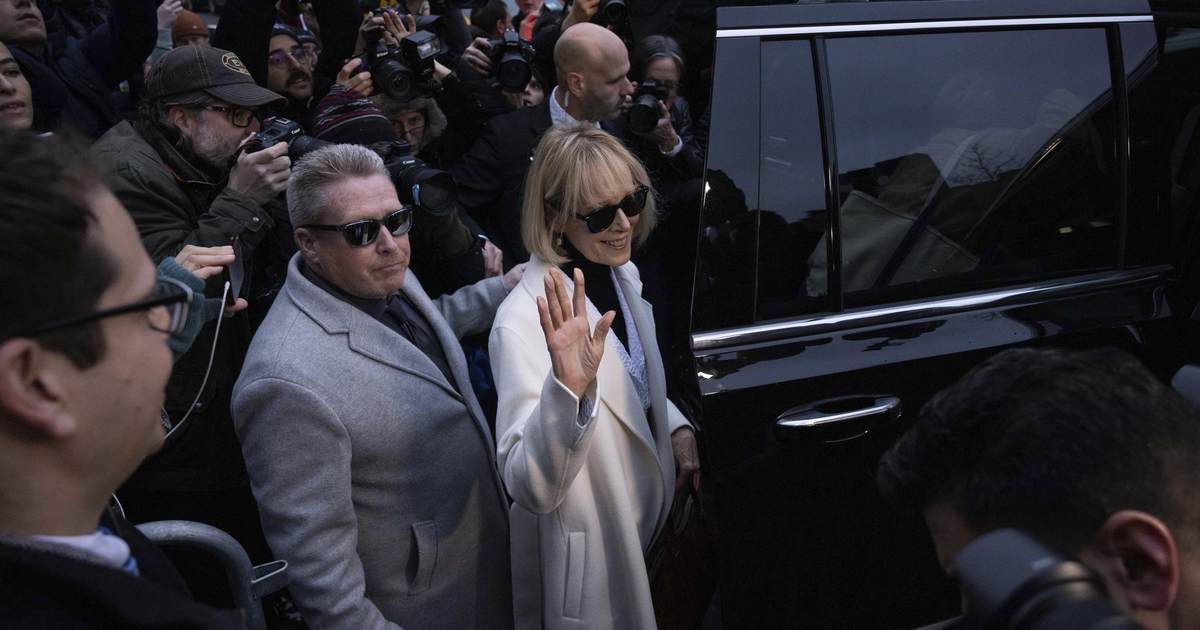
E. Jean Carroll faces a Justice Department probe tied to a 2022 deposition as her long-running civil battle with former President Trump continues through appeals.
The Justice Department has opened a criminal investigation into E. Jean Carroll over whether she lied under oath about outside funding connected to her lawsuits against Donald Trump. Trump still owes judgments from past civil verdicts, and he has appealed to the Supreme Court as the legal fight winds on. The new inquiry adds a criminal angle to an already complicated civil saga.
At the center of the probe is a 2022 deposition in which Carroll said she had no outside funding for her case, a point prosecutors now question. Reporting shows billionaire Reid Hoffman later paid some fees and expenses, which prosecutors view as a potential inconsistency with Carroll’s statement. If prosecutors can prove material falsehoods, they could pursue perjury charges.
https://x.com/JeffClarkUS/status/2059877752942051490
The Justice Department has launched a criminal investigation into E. Jean Carroll, the former magazine columnist who accused President Donald Trump of sexual assault, according to multiple sources familiar with the matter.
The investigation is focused on whether Carroll committed perjury in testimony tied to her two civil lawsuits against the president – one alleging he sexually abused Carroll in a New York department store in the mid-1990s, and a second for defaming her when in 2019 he repeatedly denied the assault, said she wasn’t his type and claimed she made it up to boost sales of a book.
Prosecutors’ theory hinges on a 2022 deposition statement by Carroll, 82, that she received no outside funding for her lawsuit, though it was later revealed that billionaire Reid Hoffman had paid some legal fees and expenses.
Carroll’s team declined to comment for this story. Attempts to reach Hoffman on Wednesday were unsuccessful.
This case has been political from the start, and skeptics on the right see the perjury inquiry as overdue accountability. Many conservatives argue the system has let politically charged civil claims drag on while large damages hang unpaid. From that viewpoint, examining testimony and funding is basic legal housekeeping, not a vendetta.
Carroll’s public statements have drawn fierce reactions across the spectrum, including a notorious line she used in an interview where she said “rape was sexy.” That quote has been seized on by critics who argue her rhetoric undercuts her credibility with some audiences. Republicans point to rhetoric and inconsistencies alike when making the case for scrutiny.
Prosecutors will need to show that any false statement was both intentional and material to the case, a high bar in perjury prosecutions. That means demonstrating the misstated funding claim had a real effect on the lawsuit’s litigation or outcome. If the Justice Department meets that burden, the consequences could range from indictments to plea offers, depending on what they uncover.
Trump’s ongoing appeals complicate the timing and optics of any criminal action related to testimony in civil suits. The former president has asked the Supreme Court to hear aspects of these cases, and any high court involvement could change how related criminal questions are handled. Republicans will argue that the law should run its course irrespective of political calendars.
Beyond legal mechanics, this development raises questions about timing and motive that both sides will use. Supporters of Carroll will warn against weaponizing prosecutions, while Republican observers will argue that facts about funding and testimony deserve plain investigation. For conservatives, the focus remains on rule-of-law norms rather than partisan theater.
If charges were ever filed, courts would sort out whether funding disclosures were truthful and whether any misstatements were material. That process would bring depositions, document review, and possibly testimony from those who assisted Carroll’s legal team. Either way, the matter will play out in courts and headlines rather than settled by public opinion alone.
The Justice Department’s move ensures the Carroll-Trump legal drama will not end with civil appeals alone, and it shifts some attention back to how the litigation was financed and documented. For Republicans watching, the inquiry is framed as a necessary check on legal claims and courtroom testimony. The case will move slowly; the next filings, briefs, and any formal charges will determine how significant this chapter becomes.