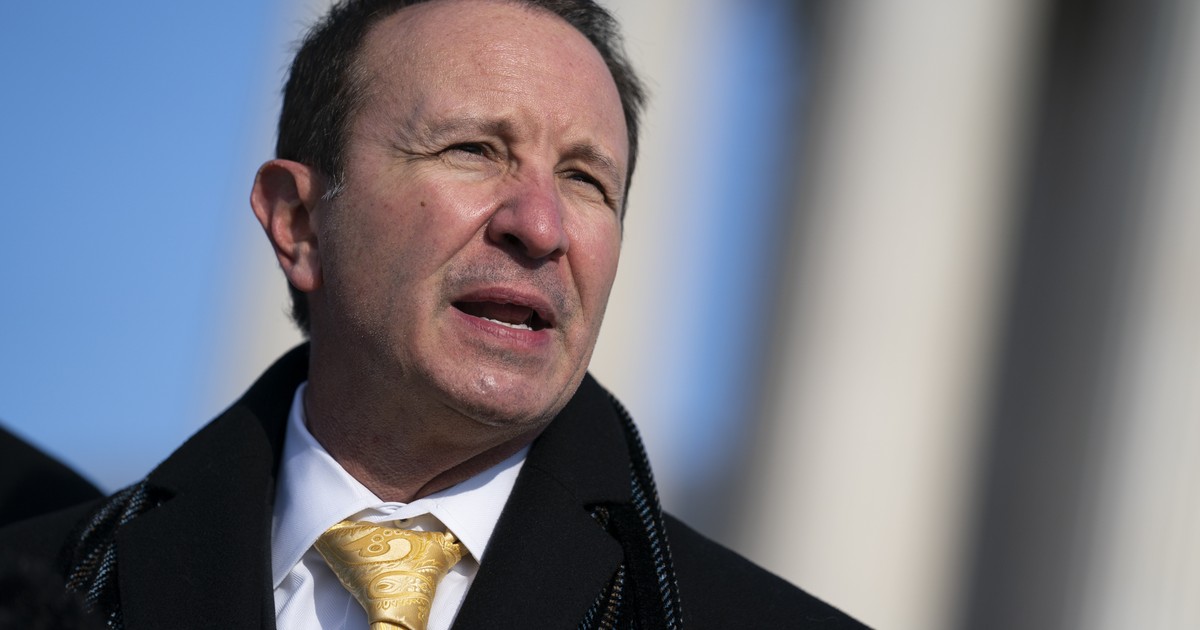
Gov. Jeff Landry is locked in a fight over whether the temporary stipends teachers now get should become permanent pay, and he’s made it clear he expects state government to follow through.
Louisiana’s governor is pushing hard after voters rejected a ballot measure that would have reshaped how education dollars are used. That rejection opened a political standoff between the governor and lawmakers in Baton Rouge over what happens next for teacher pay and the broader state budget.
Lawmakers are now under pressure to find a permanent solution, while critics say the governor’s approach relies on shifting funding in ways that unsettled many voters. The dispute has become a top issue in state politics, with both sides arguing about fairness to educators and the integrity of existing education programs.
Landry made his posture crystal clear on social media after the vote, writing directly about the need for a lasting pay change. “If our teachers don’t get a permanent raise this year, nobody in state government gets a pay raise. I mean nobody.”
Right now public school teachers receive a $2,000 stipend and support staff get $1,000, but those payments are temporary rather than built into base pay. That distinction matters because a stipend can be removed during tight budget years, while a permanent raise would change long-term salary calculations and retirement benefits. The debate is whether the state should roll those stipends into base pay or keep them as annual extras tied to the budget process.
In light of Amendment 3 falling short, I want to make it very clear—if our teachers don't get a permanent raise this year, nobody in state government gets a pay raise. I mean nobody.
— Governor Jeff Landry (@LAGovJeffLandry) May 18, 2026
If legislators choose not to lock in permanent pay or find a stable replacement source, teachers and staff could lose those stipends next school year. That outcome would leave school employees waiting on each budget cycle to learn whether the extra money will return. It would also hand lawmakers leverage over educators’ incomes every time the budget is debated.
Amid the budget fight, the governor linked the issue to broader fiscal moves that some voters found risky. Opponents worried about redirecting funds from early childhood programs, higher education, and other K-12 services to pay for pay raises. Those concerns are part of why voters balked at the ballot question and why the political temperature remains high.
Amendment 3, which 58% of voters statewide rejected, would have freed up money to give teachers and support staff permanent raises by dissolving three public education trust funds that help pay for early childhood education, universities and other K-12 school programs.
The fund balances would have been used to pay off employee retirement debt at K-12 school districts and universities early to make money available to cover the educators’ salary increases.
Henry has previously said the public’s decision to vote down the amendment indicates they aren’t interested in a pay increase for teachers.
But Amendment 3 was also linked very strongly to the governor who has angered Democratic and Black voters in recent weeks over his handling of the congressional elections.
For Republican readers and conservative lawmakers, the choice looks like a test of priorities: deliver a permanent raise to keep and reward teachers, or preserve existing program funding and resist sweeping fiscal reassignments. The governor has staked a clear political consequence on the outcome, making a pay decision a matter of executive will as much as budgeting.
Lawmakers will have to weigh the political fallout of either path while balancing the budget realities that every state faces. The coming sessions in Baton Rouge should show whether the governor’s threat forces a compromise or if the legislature maps a different route for teacher compensation and education funding.