The state removed a high-profile referendum from the ballot after thousands of signatures were ruled invalid, sparking charges that election officials are deciding which questions voters get to see.
The Left often gets called out for changing the rules to suit their goals, and that accusation popped up again in this case. The piece invokes Calvinball from Bill Watterson’s Calvin & Hobbes to describe a politics where rules shift midgame, and the image lands because the outcome here looks improvised. — Libs of TikTok (@libsoftiktok)
Here’s more (emphasis added): the official ruling from Maine’s office found a large number of problematic signatures on a citizen initiative. That decision means a proposed referendum about school bathrooms and sports will not go before voters this November. People on all sides are now arguing over which side benefits from the ruling and why it happened.
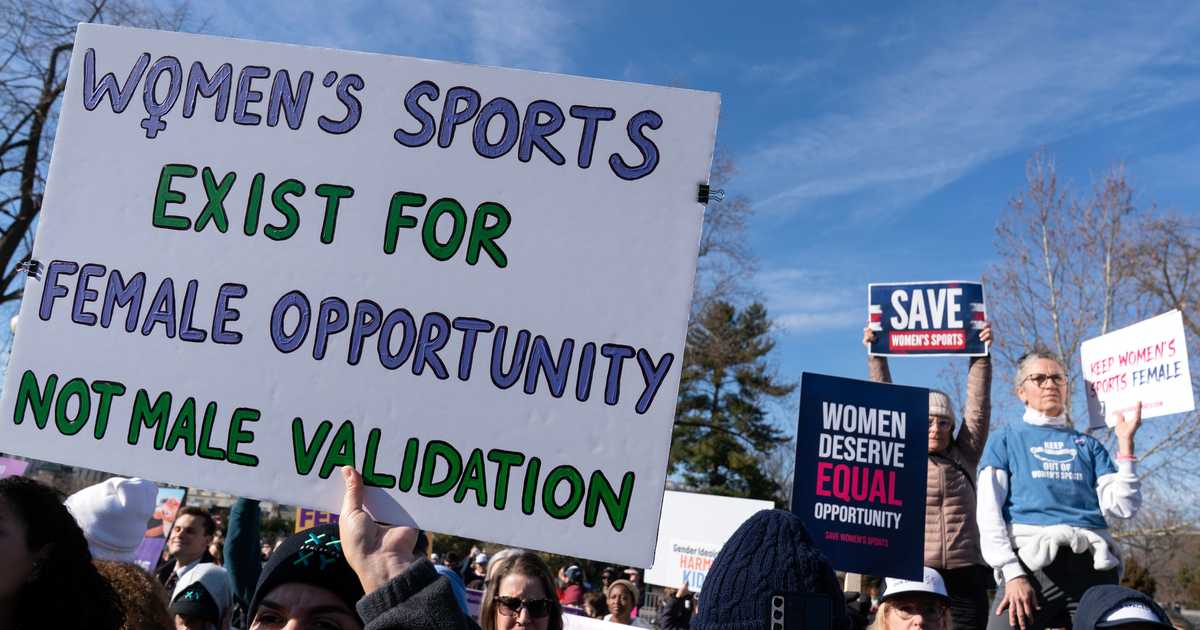
A Maine initiative intended to limit transgender students’ ability to participate in sports has been removed from the ballot because of invalid signatures, the secretary of state ruled Tuesday.
https://x.com/libsoftiktok/status/2059756480815899091?ref_src=twsrc%5Etfw
The proposal from parents’ group Protect Girls Sports in Maine was slated to go before voters in November. It would have asked voters if they wanted to require public schools to restrict access to bathrooms and sports based on the gender denoted on a child’s birth certificate.
Maine Secretary of State Shenna Bellows, who is running for governor as a Democrat, said Tuesday her staff found that more than 12,000 signatures on the petition for the referendum were invalid. That leaves the petition drive a few hundred short of the 67,682 required for the initiative to make the ballot, Bellows said.
Call it convenient or call it suspicious, but the optics are awful. A petition that reportedly gathered strong grassroots traction now fails on technicalities, and those technicalities are enforced by an elected official who is also a partisan player. When the end result removes a policy question from public view, people naturally ask whether the system served voters or political interests.
Supporters of the measure argued it would make clear rules about bathrooms and sports based on the gender listed on a birth certificate, while opponents warned such rules would be discriminatory. The divide is stark and, by some accounts, lopsided: on this particular issue — especially when it comes to girls’ sports — Democratic officials are widely seen as on the defensive. If an issue looks like a losing proposition at the ballot box, the incentive to keep it off the ballot grows, and that is exactly what critics are alleging here.
That dynamic is why control of administrative offices matters as much as control of legislatures in modern politics. A secretary of state or state attorney general can be the gatekeeper to elections, ballot access, and the enforcement of petition rules. The Maine episode shows how much authority those offices have, because administrative rulings can short-circuit a popular initiative even after mobilization, volunteers and signatures have done their work.
People on the right see this as a concrete lesson: partisan officials with the power to validate or toss signatures can shape which debates happen in public. That is less about counting votes than about counting who gets to have a vote on certain questions. When administrative discretion decides the calendar of issues, democracy looks fragile and the incentives for partisan advantage become obvious.
There will be lawsuits, complaints and a lot of spin, but the core fact remains: tens of thousands of signatures were reviewed and thousands were tossed, leaving the petition short of the 67,682 required. Whatever the legal merits of the decision, the political result is that a hot-button question about student safety and fairness in sports will not get the voters’ say this year. That outcome reverberates beyond Maine because every state watches how these battles play out.