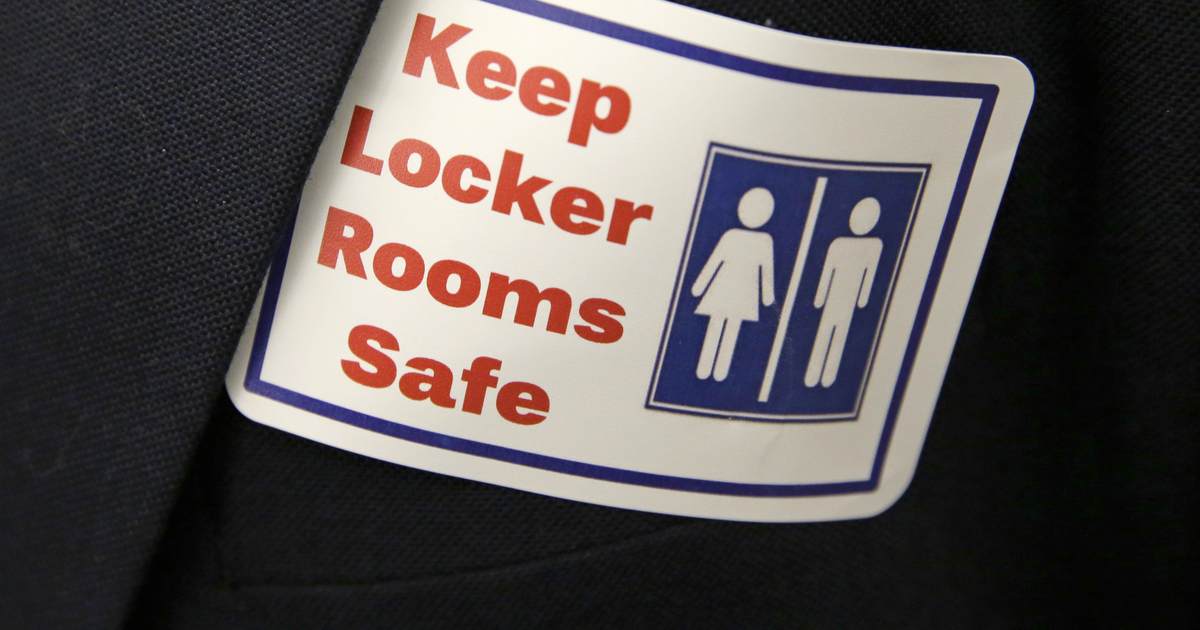
Two Norfolk officers say they were punished after objecting to a recruit who identified as a woman entering the women’s locker room, sparking a fight over privacy, policing, and political priorities.
The situation in Norfolk lays out the collision between law enforcement duty and a politicized personnel culture. Two officers who raised concerns about a “trans-identifying male” in a women’s locker room now face suspension or termination, and the department’s handling has become a flashpoint. This story is about more than one encounter; it is about who gets protected and who gets disciplined.
According to the officers, leadership downplayed the complaint and treated the recruit as a woman despite staff noticing social media that suggested otherwise. The two officers say their objections were met not with an investigation, but with retaliation. They now report suspension and the threat of firing for speaking up about privacy and safety concerns.
When officer Meghan Grabow told the Norfolk Police Department leadership about a man staring at her in the women’s locker room, they allegedly dismissed her concerns—because the recruit identified as transgender. Now, Grabow and a colleague who spoke up for her allege they have been targeted by the department and face termination.
This is insane.https://t.co/Fs3ox7muFa
— Ian Prior (@iandprior) May 17, 2026
“They hired this man who identifies as a woman and then deliberately and methodically tried to keep it a secret,” officer Martin Powers, who joined Grabow to speak out in defense of female-only private spaces in the department, told IW Features.
Powers said he first heard about the transgender-identifying recruit in 2024 when Norfolk Police Academy staff found social media posts of the recruit wearing makeup and a wig. But when training staff questioned the situation, they were told to treat the recruit as a female, according to Powers.
At first, Powers said nothing seemed awry with the recruit class.
“[I thought] maybe everybody was just grossly mistaken,” Powers said, citing that he only saw one female in the group as expected and no transgender individuals.
But when Grabow went to the women’s locker room to change clothing partway through her shift, the transgender-identified recruit walked in.
Officer Meghan Grabow says the individual entered the women’s locker room wearing a suit and made no attempt to appear female, and that her concerns were dismissed by supervisors. The account alleges a captain questioned why she was even in the locker room and suggested she bring a firearm into the shower if she felt unsafe. Those are not answers that address a woman’s complaint about privacy and a potential threat in a private space.
When Grabow took the concern higher, the chief reportedly interrupted the conversation and insisted the recruit was a woman. “The chief held up his hand in a stop gesture,” Officer Martin Powers, Grabow’s partner, said. “He said, ‘The proper pronoun is woman.’ And [the detective] didn’t know what to do.”
Powers says he was ordered out of that meeting, refused to leave, and was fired; he has since struggled to find work in law enforcement. Grabow was suspended, and the department cited a prior traffic ticket as the basis for disciplining her. The recruit, described in reports as a “trans-identifying male,” ultimately did not finish the academy, with officials saying the recruit was emotionally unable to handle the job.
It helps to notice the pattern: male bodies are permitted into female-only spaces, and staff who object are treated as the problem. The department’s stance signals which side its leadership is willing to protect. That sends a dangerous message to female officers and civilians who expect privacy and straightforward safety policies.
There is a glaring double standard here: public facilities and jobs are being remade to accommodate ideology while those who point out obvious conflicts with privacy are disciplined. Officers who stand up for commonsense, sex-based protections find themselves on the receiving end of administrative punishment. This is not just a local HR dispute; it is the practical outcome of a policy environment that prioritizes ideology over clear rules.
We cannot allow this to continue. The stakes are real for women who expect private spaces to remain private and for officers who must trust their department to back them when they raise legitimate concerns. When leadership chooses optics and politics over proven practices that protect women, the result is chaos and eroded trust in institutions charged with public safety.
Women deserve environments where they can change and bathe without fear or discomfort, and officers deserve departments that address reports of uncomfortable or unsafe conduct with seriousness. The broader political class can argue about identity labels while the people on the ground — female officers and the public they serve — bear the consequences. Policies should protect privacy, uphold safety, and treat personnel complaints with fairness, not punishment.
Accountability in policing means administrators enforce common-sense boundaries and protect employees who raise legitimate concerns. Norfolk’s case shows what happens when politics trumps procedure: good people get sidelined, vulnerable people get exposed, and public confidence takes another hit. The right response is to restore clear policies that respect both dignity and safety without turning enforcement into a political test.