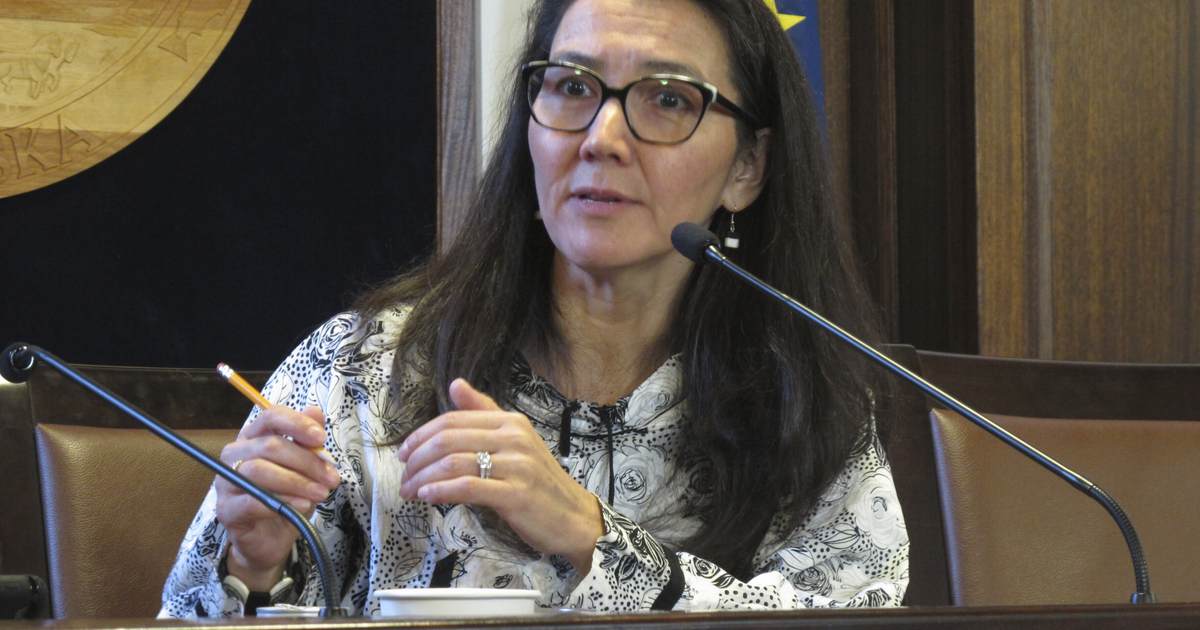
Mary Peltola is accused of backing a namesake candidacy in Alaska to siphon votes from the Republican incumbent Dan Sullivan, raising questions about campaign tactics and voter confusion ahead of the November 3 election decided by ranked-choice voting.
Mary Peltola, the Democratic Senate candidate in Alaska, is implicated in a plot to put forward another candidate named Dan Sullivan to split the vote with the Republican incumbent of the same name. The situation looks engineered to create confusion among voters and blunt the incumbent’s support, and Republicans are calling it a deliberate tactic. This claim centers on a press release and the involvement of a consultant with known ties to Peltola.
The new Dan Sullivan announced a campaign and issued a press release headlined “Dan Sullivan Challenges Dan Sullivan for U.S. Senate Seat” with the subheading “Urges Alaskans to defeat incumbent, elect a Sullivan who Stands up for Alaska.” The campaign even adopted the slogan “Sullivan for Senate,” mirroring the incumbent’s branding and creating an uncanny overlap designed to mislead. Observers note how the imagery and wording on the sparse campaign materials appear to borrow directly from the incumbent’s identity.
https://x.com/PollTracker2024/status/2060484455895085226
The press release shows Amber Lee listed as the author, a left-wing consultant who the New York Times has described as a supporter of Peltola. Lee has publicly praised Peltola, calling her “a real challenger” and saying, “I believe there’s a real chance for her to win this.” Those exact words have been cited in coverage and are now part of why skepticism has grown about whether this candidacy is truly independent.
The candidate’s campaign site is thin on substance, offering no detailed issues page and little beyond the press release text and a low-resolution logo in the footer. That lack of policy content suggests the effort is not a traditional campaign focused on engaging voters on real positions. Instead, it reads like a stunt aimed at muddying ballots as November 3 approaches.
Local reporting noted that Peltola recently completed a trip to Petersburg, the hometown of the incumbent Dan Sullivan, which adds fuel to questions about coordination rather than coincidence. Republicans argue the timing and a consultant’s clear affinity for Peltola point to a coordinated attempt to manipulate voter choice. Veterans of Alaska politics say this kind of namesake tactic exploits the state’s unique ballot dynamics and the new ranked-choice system.
Ranked-choice voting in Alaska means the final outcome on November 3 will be determined by preferences rather than simple plurality, but a confusing ballot can still alter who voters pick first. Introducing a second candidate with the exact same name can siphon first-choice votes or create hesitation at the polls. Opponents warn that even if later preferences are tallied, the initial disruption can reshape media narratives and fundraising momentum.
Campaign transparency advocates are alarmed at how easy it can be to field a low-information candidacy that borrows another candidate’s name and look, especially when consultants with political allegiances manage the rollout. They argue voters deserve clarity and campaigns should not weaponize confusion as a strategy. This episode highlights broader concerns about the ethics of campaign operations in tight races.
Republican officials in Alaska and national conservatives are already using the episode to press for scrutiny and to warn voters to be vigilant on election day. They point to the press release headline and the suspicious reuse of slogans as evidence of a deliberate effort to mislead. Party strategists say they will increase voter education efforts so Alaska voters understand how to mark their ballots under ranked-choice rules.
There is also a legal and regulatory angle to watch: election officials and campaign lawyers will likely monitor filings, disclosures, and whether any state election code is implicated by coordinated tactics. While placing a candidate on the ballot is legal in most cases, questions of intent and coordination can trigger investigations or public fallout. At a minimum, the episode has stirred debate about whether rules should clamp down on deceptive naming and branding.
With the election scheduled for November 3, attention on this namesake matchup will only grow, and every development will be scrutinized by campaigns, voters, and the media. The incident underscores how modern campaigns can use marketing techniques to blur lines between genuine contenders and political theater. Voters in Alaska will face not just a choice of policy and party but also the consequences of how campaigns are run and the tactics they employ.