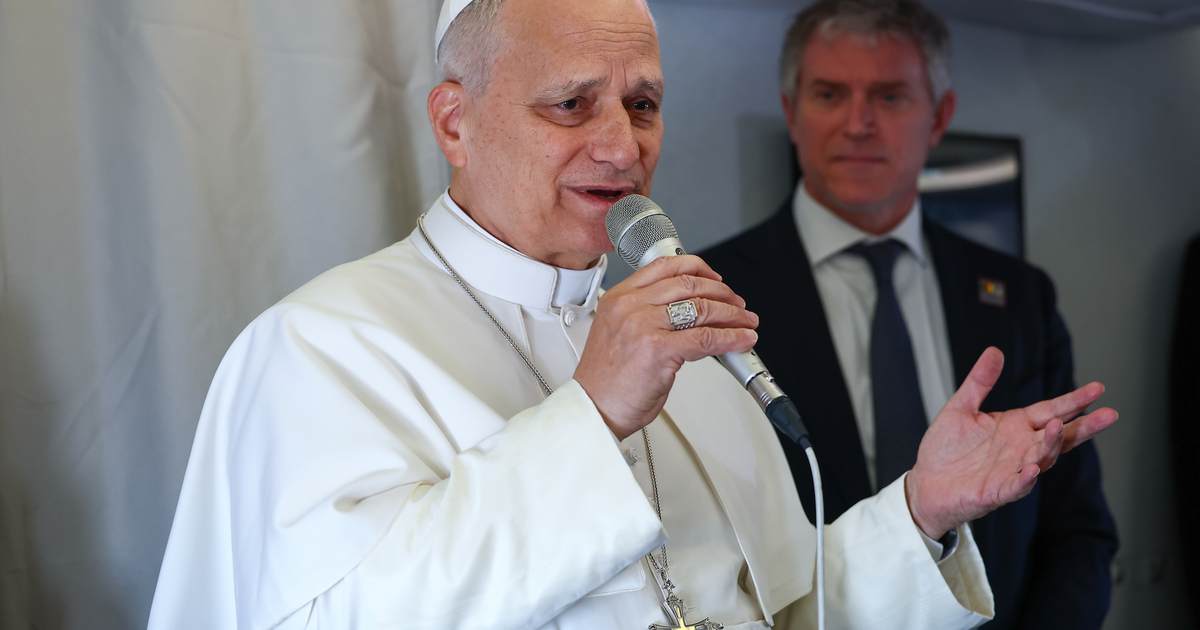
Pope Leo’s encyclical “Magnifica Humanitas,” released May 15, lays out a moral framework for artificial intelligence, arguing that AI must respect human dignity and serve the common good while warning about concentrated power and the risks of dehumanizing technology.
Pope Leo released “Magnifica Humanitas” on May 15, formally titled Magnificent Humanity: On Safeguarding the Human Person in the Time of Artificial Intelligence. The document insists AI is here to stay and that faith and reason must guide how it is integrated into society. It frames the debate in moral terms, asking whether our tools help people flourish or strip away what makes us human.
Pope Leo acknowledges that AI will not disappear and calls for responsible use that protects people and communities. The encyclical stresses practical ethics over technocratic surrender, warning against making intelligence an idol.
“Humanity, created by God in all its grandeur, is today facing a pivotal choice: either to construct a new Tower of Babel or to build the city in which God and humanity dwell together. In Jesus Christ, this humanity in its grandeur becomes the Way, the Truth and the Life, opening the path for each of us to grow toward fullness,” he wrote on X. That passage was posted directly to his account and immediately framed the discussion in spiritual and cultural terms.
Humanity, created by God in all its grandeur, is today facing a pivotal choice: either to construct a new Tower of Babel or to build the city in which God and humanity dwell together. In Jesus Christ, this humanity in its grandeur becomes the Way, the Truth and the Life, opening…
— Pope Leo XIV (@Pontifex) May 25, 2026
Some observers read parts of the encyclical as a critique of the digital age and the way technology reshapes human relationships and authority. That reading puts the Vatican squarely in the debate over whether digital platforms and algorithms are neutral tools or vectors of cultural change.
Commentators like Hinchcliffe highlighted four big concerns the encyclical raises: the geopolitical and moral risk of concentrated AI power in a handful of giant firms and frontier labs, the destabilizing threat of autonomous weapons and machine-accelerated conflict, the limits of transhumanist assumptions that intelligence alone can replace core human functions, and the reality that AI systems reflect the values and incentives of their creators. These are practical, concrete risks with strategic consequences. The document ties moral reflection to national security and governance rather than abstract technophilia.
“The TL;DR is AI is not inherently evil but is never neutral and carries risks of power concentration, inequality, and loss of human dignity. The Church offers principles for discernment rather than blanket rejection,” the post notes. That line captures the Vatican’s posture: neither technophobic nor complacent, but insistently moral.
Pope Leo even drew on literature to underline his point, quoting J.R.R. Tolkien to remind readers of stewardship and responsibility. “It is not our part to master all the tides of the world, but to do what is in us for the succor of those years wherein we are set, uprooting the evil in the fields that we know, so that those who live after may have clean earth to till.” He used the passage to argue for prudence and intergenerational care.
You can read the entire encyclical in full text if you want to see the Vatican’s reasoning and priorities. The timing matters politically because this release comes as the AI competition between the United States and China accelerates, and it throws an ethical marker down for democracies to heed. In that context, the encyclical’s stress on human dignity reinforces arguments for policies that both protect civil society and counter hostile state-led tech power.
From a conservative, pro-America angle, the encyclical strengthens the case that the U.S. must lead in shaping AI norms that preserve freedom and dignity while preventing monopolized control by state-backed competitors. President Trump’s AI Framework was cited in reporting as a policy tool meant to keep America competitive and prevent China from dominating critical capabilities. This theological guide and a clear national strategy are complementary: one sets moral constraints, the other applies them in geopolitics.
The debate ahead will be less about whether AI can do clever things and more about who governs its uses and to what ends. Church leaders, tech executives, and policymakers are now working from overlapping worries: concentration of power, loss of dignity, and new forms of coercion. That is the practical battleground where ethical clarity and robust policy must meet.