With a Texas congressional run-off days away, a PAC allied with a rival funneled a smear at a Trump-endorsed veteran that ties back to a consultant used by both campaigns.
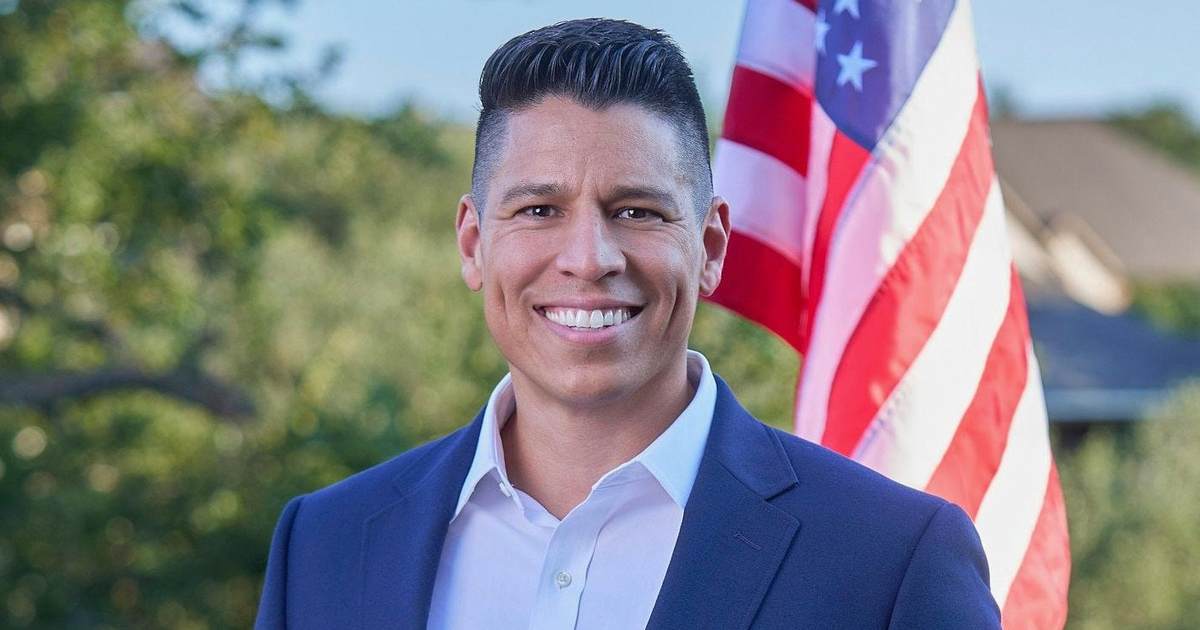
The primary run-off between John Lujan and Carlos De La Cruz is days away in Texas’ 35th District, and the fight has taken a nasty turn. A Political Action Committee called Protect and Serve sent out a mailer mocking De La Cruz’s service-connected disability, using language that labeled him the “100% disabled kickboxer” and accusing him of using “a 100% disability to avoid paying any property taxes.” Both campaigns are scrambling as the mailer landed in voters’ hands and raised questions about who’s directing the attack.
Protect and Serve’s flyer singled out familiar details — De La Cruz runs a martial arts gym and volunteers as a carpenter — and turned those facts into fodder for criticism. The PAC framed ordinary community activity as evidence of fraud or hypocrisy, painting a picture meant to undercut De La Cruz’s service record. For many voters this felt like a personal and political low blow aimed squarely at a disabled veteran.
Federal campaign disclosure reports show a clear money trail that links the PAC’s mailer back to Pelican Campaigns, a one-person consultancy based in Austin, Texas. This same consultant was paid by the Lujan campaign $25,171.92 during the current cycle, while Protect and Serve shows an additional $7,500 in payments to the firm. Those figures make it hard to claim the mailer was purely independent when the same vendor worked for both the candidate’s campaign and the attacking PAC.
Texas law provides property tax exemptions for veterans who hold a 100 percent disability rating, a policy designed to honor those who sacrificed in uniform. Disability ratings are determined by individuals in the Department of Veteran Affairs using a range of medical and administrative factors, and they do not require a visibly apparent injury. Those facts mean that criticism framed around a veteran’s visible activity misunderstands how disability benefits are assigned and why those benefits exist.
The practical reality is simple: being an active, industrious veteran who teaches or volunteers does not negate a disability rating determined by the VA. Many veterans with service-connected disabilities remain physically active and work in trades or sports that do not contradict their medical findings. Turning those activities into political ammunition is misleading and disrespects the assessment process used by the federal government.
For voters who care about honest campaigning, the overlap between vendors raises legitimate concerns. Pelican Campaigns’ payments to both the Lujan campaign and Protect and Serve make the distinction between independent attack and coordinated effort blurrier. Critics point to the dollar amounts and the timing of the mailers as evidence that the consultant’s work is at the center of this dispute.
John Lujan has tried to position himself as an ally of veterans while his allied PAC distributed the smear, and that contradiction hasn’t gone unnoticed. It’s one thing to run tough political ads; it’s another to cross the line into personal attacks on a vet’s disability status. The optics of money moving between campaign and PAC vendors only deepen suspicions about whether those attacks reflect the candidate’s values or political convenience.
There’s more to the story than the mailer itself. Political reporting has previously tied consultants connected to Lujan to work for high-profile progressive operatives, a fact that has fueled intra-party criticism. Those past connections and questions about payment transparency have made this cycle unusually combustible, especially in a district where rank-and-file Republicans are watching for signs of ideological reliability.
De La Cruz’s supporters argue the mailer was a calculated attempt to muddy the race with a smear designed to suppress turnout among veterans and conservative-leaning independents. The candidate’s background in small business and community volunteering was presented as a strength, and the attack on his disability status struck many as an attempt to weaponize misunderstanding for political gain. That claim resonates in a Republican primary where respect for military service should be non-negotiable.
Campaign finance records don’t tell motives, but they do show relationships and money flows that demand scrutiny. When a single consultant is handling work for both a candidate and a PAC that attacks him, voters deserve clear answers about who directed the content. Transparency around vendor roles and the nature of the work should be a minimum expectation in a competitive primary.
Thank you to our veterans for your sacrifices, dedication, and unwavering commitment to protecting our freedom. We are forever grateful for your service. Happy Veterans Day! 🇺🇸 pic.twitter.com/IQKjxZqbbl
— John Lujan (@LujanForTX) November 11, 2025
As election day approaches, the smear will remain part of the narrative in the 35th District run-off, forcing both campaigns to respond and voters to decide what matters. The back-and-forth over payments, consultant ties, and the propriety of attacking a veteran’s disability will likely shape how independents and conservatives view the two contenders. Tuesday, May 26 will be the day that settles which message voters prefer.