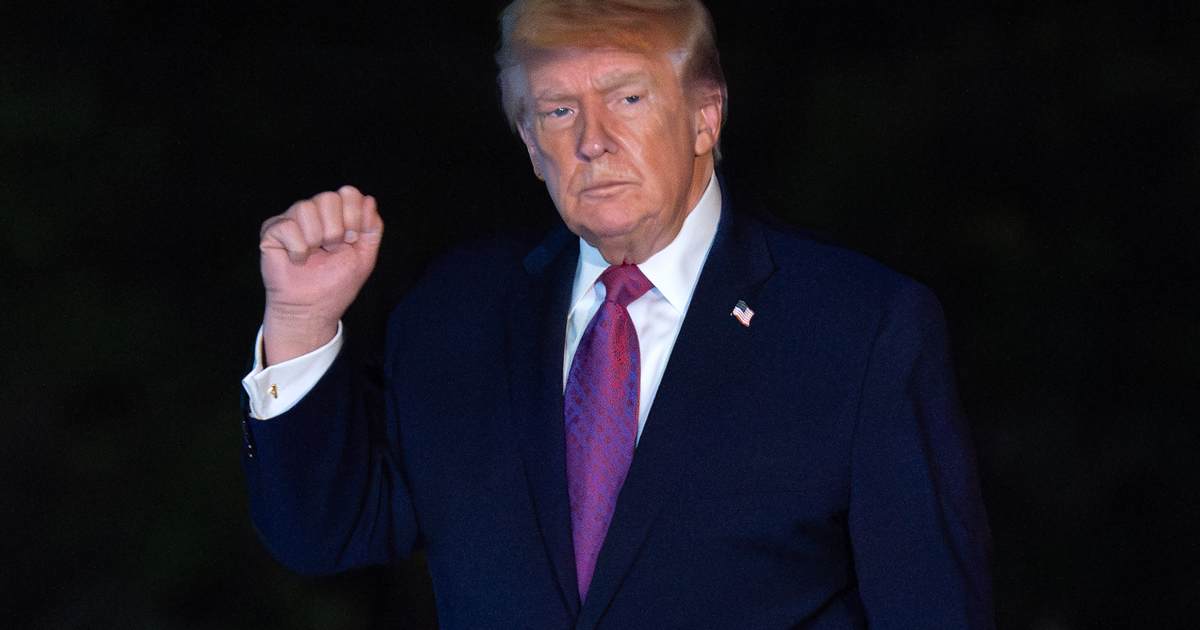
The report describes a sudden diplomatic turn: the United States and Iran appear to be on the brink of an interim peace agreement to halt fighting that began with Operation Epic Fury on Feb. 28, with President Donald Trump playing a hands-on role and senior aides and regional partners racing back into the loop as details were being finalized.
The United States and the Islamic Republic of Iran are reportedly closing in on an interim peace deal intended to stop the fighting launched with Operation Epic Fury on Feb. 28. Officials say the arrangement is not yet public, but sources familiar with the discussions describe negotiations as advanced and time-sensitive. The development arrived amid a flurry of activity at the White House and heightened diplomatic outreach across the region.
President Donald Trump had earlier described his willingness to continue strikes as “50/50,” signaling both restraint and readiness to act. Late Saturday, Trump posted a statement on social media saying the framework of a deal had largely been finalized, a move that injected new momentum into the diplomatic process. The message from the White House set off a rapid sequence of consultations with allies and Gulf partners to shore up backing for whatever agreement emerges.
In the hours before the public notice, key Trump administration figures rushed back to Washington as the president coordinated directly with regional leaders. Vice President JD Vance cut short his trip to Ohio and returned to the capital, while Secretary of War Pete Hegseth came back from West Point to join deliberations. Trump led a conference call with Gulf state leaders, underscoring his hands-on approach and the administration’s effort to synchronize U.S. policy with allied concerns on the ground.
🚨🚨🚨Scoop: President Trump tells me he's "solid 50/50" on Iran deal or bombing. Trump said he will meet senior advisers today to discuss latest draft agreement and may make a decision by tomorrow. My story on @axioshttps://t.co/jDHZtqUqT4
— Barak Ravid (@BarakRavid) May 23, 2026
Word of a near-deal prompted intense private lobbying from Israeli leadership, with Prime Minister Benjamin Netanyahu reportedly voicing strong reservations to President Trump. Netanyahu pushed for additional military action against Iranian assets, urging a renewed campaign of strikes as an alternative to a diplomatic pause. Other regional leaders took mixed positions, leaving the administration to balance Israel’s demands with broader regional stability and the diplomatic path that was being negotiated.
Further public details remain sparse, and officials say the administration expects to release more information in the coming hours or days as final terms are confirmed. The pace of movement inside the White House makes clear that the Trump team is treating this as a moment to manage both military pressure and diplomatic openings. For now, Washington is keeping options open while preparing to present the contours of any interim arrangement to partners and the public.