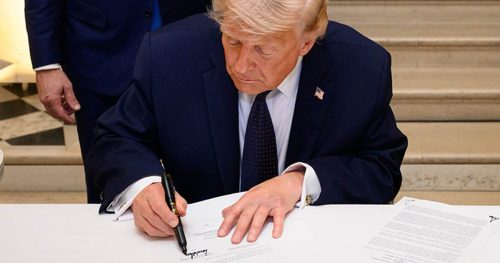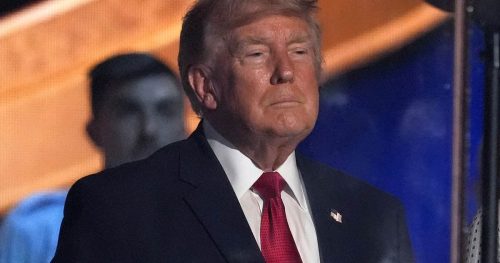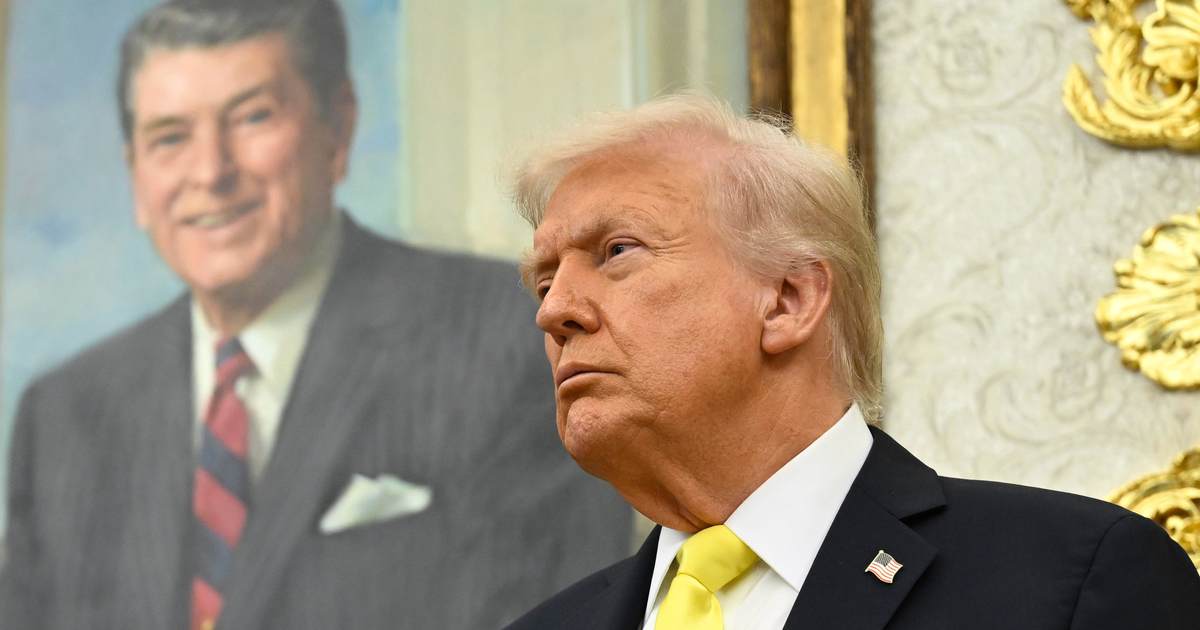
President Trump paused a planned military strike on Iran after Gulf allies requested a short delay, saying negotiations might produce a deal to prevent Iran from acquiring a nuclear weapon while leaving open the possibility that the pause could be brief.
President Trump addressed questions about whether the United States will resume combat operations in Iran, responding to reporters after allies in the region pressed for a postponement. He said he called off a planned strike at their request and framed the delay as a chance to see if serious negotiations will succeed. The room heard a mix of caution and confidence, with the president stressing both preparedness and a hope for a diplomatic outcome.
“Speak a little bit about your post on Truth Social on Iran, and what was the decision that why you didn’t attack?” a reporter said. The president answered plainly: “Well, other countries have come to me, and they’ve said we were getting ready to do a very major attack tomorrow. I put it off for a little while,” the president said. “Hopefully, maybe forever, but possibly for a little while.”
He emphasized that key Gulf leaders asked for a short pause while they pursued what they believe could be a workable deal. That request came from Qatar, Saudi Arabia, and the UAE, among others, and the president said those talks could prevent Iran from obtaining a nuclear weapon. He made clear the pause is tactical, not a retreat from the objective to stop Iran’s nuclear ambitions.
🚨 NOW: President Trump reveals he might NEVER strike Iran after delaying tomorrow's strike
"We were getting ready to do a very MAJOR attack tomorrow. I've put it off for a little while, hopefully, maybe forever, but possibly for a little while."
"Because we've had very big… pic.twitter.com/5e3aMZAkzw
— Eric Daugherty (@EricLDaugh) May 18, 2026
Because we’ve had very big discussions with Iran, and we’ll see what they amount to. I was asked by Saudi Arabia, Qatar, UAE, and some others if we could put it off for two or three days, a short period of time, because they think that they are getting very close to making a deal. And if we can do that, where there’s no nuclear weapon going into the hands of Iran, I think, and if they’re satisfied, we will be probably satisfied also.
“We’ve informed Israel. We’ve informed other people in the Middle East that have been involved with us. And, you know, it’s a very positive development, but we’ll see whether or not it amounts to anything,” Trump added. That line underscored coordination with regional partners and allies, and framed the delay as conditional on concrete progress at the negotiating table. He reminded listeners that past talks had failed to produce results, so patience is measured against hard lessons.
“We’ve had periods of time where we had, we thought, pretty much getting close to making a deal, and it didn’t work out, but this is a little bit different. No, we’re ready going tomorrow, very big. And not something I wanted to do, but we have no choice because we cannot let Iran have a nuclear weapon,” the president said, stressing both readiness and resolve. Those words make clear the administration sees a narrow window for diplomacy before force becomes necessary again. The message was straightforward: diplomacy first, but military options remain on the table.
The president also made public a longer statement explaining why Gulf leaders urged restraint. “I have been asked by the Emir of Qatar, Tamim bin Hamad Al Thani, the Crown Prince of Saudi Arabia, Mohammed bin Salman Al Saud, and the President of the United Arab Emirates, Mohamed bin Zayed Al Nahyan, to hold off on our planned Military attack of the Islamic Republic of Iran, which was scheduled for tomorrow, in that serious negotiations are now taking place, and that, in their opinion, as Great Leaders and Allies, a Deal will be made, which will be very acceptable to the United States of America, as well as all Countries in the Middle East, and beyond,” the president wrote on Truth Social. That public line reinforced the diplomatic angle while keeping pressure on Tehran.
From a Republican perspective, the decision to pause shows disciplined leadership: accept a short window for talks when key partners believe a deal is possible, but keep military options visible and ready. It reads as the kind of pragmatic brinkmanship that can extract concessions without immediate escalation. Allies’ urging and Israel being informed underscore a coalition approach rather than a unilateral move.
That said, the president did not rule out resuming combat operations quickly if diplomacy stalls or Iran backtracks. He repeatedly framed the pause as temporary if needed, and emphasized the core red line: Iran must not obtain a nuclear weapon. The administration’s posture combines strategic patience with a clear warning that should negotiations fail, force remains an active option.