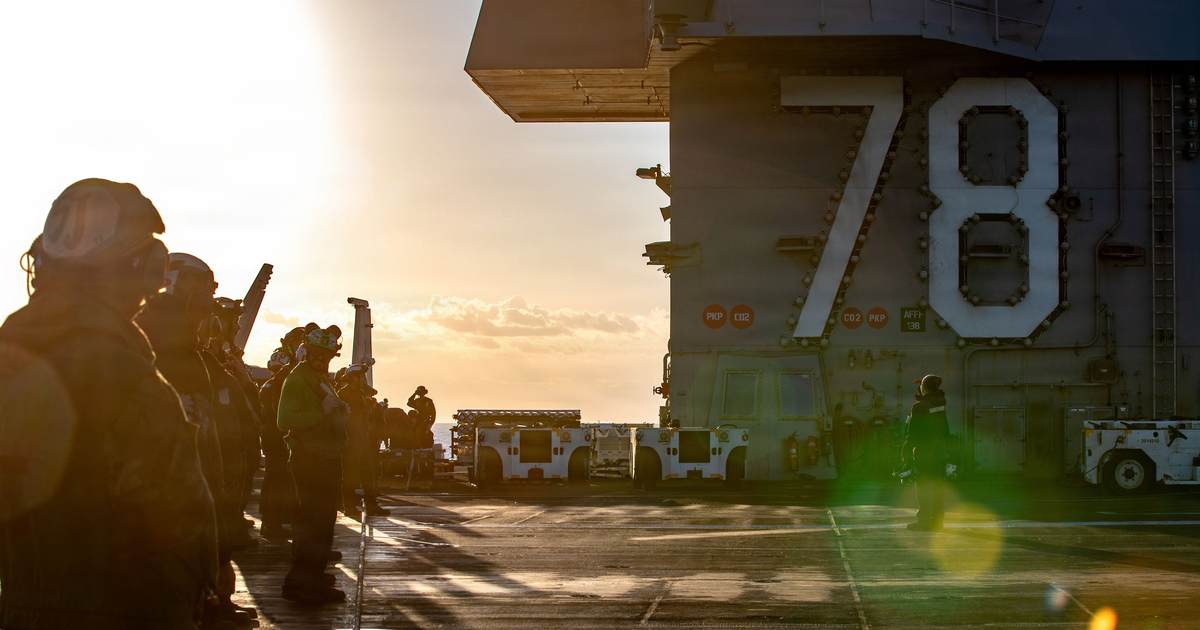
U.S. forces carried out self-defense strikes against Iranian mine-laying ships and missile sites, striking two vessels in the Strait of Hormuz and targeting missile batteries while officials stressed the actions were defensive rather than a resumption of full hostilities.
The operation, as described by military sources, targeted Iranian vessels that were reportedly laying mines and missile launch positions that had threatened American aircraft and regional shipping. U.S. commanders framed the strikes as necessary to protect personnel and freedom of navigation in a volatile waterway that is vital to global commerce. The response was measured, aimed at eliminating immediate threats without escalating into a wider declared war.
Two Iranian ships in the Strait of Hormuz were struck and have been described by CENTCOM as eliminated from the threat picture, a clear signal that U.S. forces were prepared to act when red lines were crossed. In addition, surface-to-air missile batteries that had engaged or threatened American aircraft were reportedly destroyed to remove an imminent danger to U.S. operations. Officials emphasized these were self-defense measures, saying the strikes did not signal a deliberate attempt to break the ceasefire that had been tenuously holding.
Following reports of explosions in the vicinity of Bandar Abbas, Iran, Howard Altman has said that a U.S. Central Command spokesperson has told them that U.S. self-defense strikes were conducted against Iranian fast boats attempting to lay mines and missile launch sites. https://t.co/uegRx8Q66S
— OSINTdefender (@sentdefender) May 25, 2026
Observers on the ground and via open-source footage reported explosions and fires across multiple locations inside Iran following the strikes, with visible damage in the major southern port of Bandar Abbas and on Kharg Island, a key energy export hub. Those incidents suggested the strikes struck targets deep enough to cause secondary effects, and they underscored how quickly localized military actions can have broader physical and economic consequences. Regional commanders are likely studying the pattern of strikes to calibrate risk for commercial shipping and energy flows.
The timing matters: the strikes came while U.S. and Iranian representatives were reportedly close to an agreement intended to end a three-month conflict that flared after Operation Epic Fury. That conflict has put intense pressure on regional partners and on global markets, and any action that threatens the fragile diplomatic momentum risks complicating negotiations. Still, the U.S. position made clear that diplomacy cannot proceed if American personnel or neutral shipping remain at unacceptable risk from hostile Iranian behavior.
From a strategic perspective, the strikes illustrate a core lesson of deterrence: showing resolve and the willingness to act can be as important as the action itself. U.S. forces demonstrated they will remove credible threats to their aircraft and sailors while attempting to keep the broader ceasefire intact. For allies and adversaries alike, the messaging is straightforward—America will defend its people and interests, and it expects partners to help stabilize the region through restraint and cooperation.
Operationally, officials will now face a set of follow-on choices: maintain pressure to prevent immediate reconstitution of the targeted capabilities, reassert diplomatic channels to salvage any progress toward a ceasefire agreement, and monitor for retaliatory moves that could draw others into the fight. Naval and air assets will likely remain on heightened alert in the Strait of Hormuz and nearby waters to guard commercial traffic and react to any further provocations. The situation is fluid, and military planners will balance immediate tactical needs with the strategic goal of avoiding a broader, drawn-out conflict.