The network already paid $15 million after a mistaken claim about the E. Jean Carroll case, and a Democratic congresswoman repeated that same error on air, raising fresh legal and political questions.
ABC News settled a high-profile lawsuit and paid $15 million to Donald Trump after an on-air claim about the E. Jean Carroll matter turned out to be inaccurate. The settlement followed comments made by George Stephanopoulos on This Week in March 2024. That payment and the legal fallout make any repeat of the same incorrect statement risky for both networks and guests.
Stephanopoulos had said that Trump was found liable for rape in the E. Jean Carroll case, a characterization that did not match the legal findings. The distinction matters because the wording can imply different legal conclusions and can expose speakers and outlets to defamation claims. ABC’s settlement underscores how costly a loose line on a live show can become.
https://x.com/CollinRugg/status/1868034860310483391
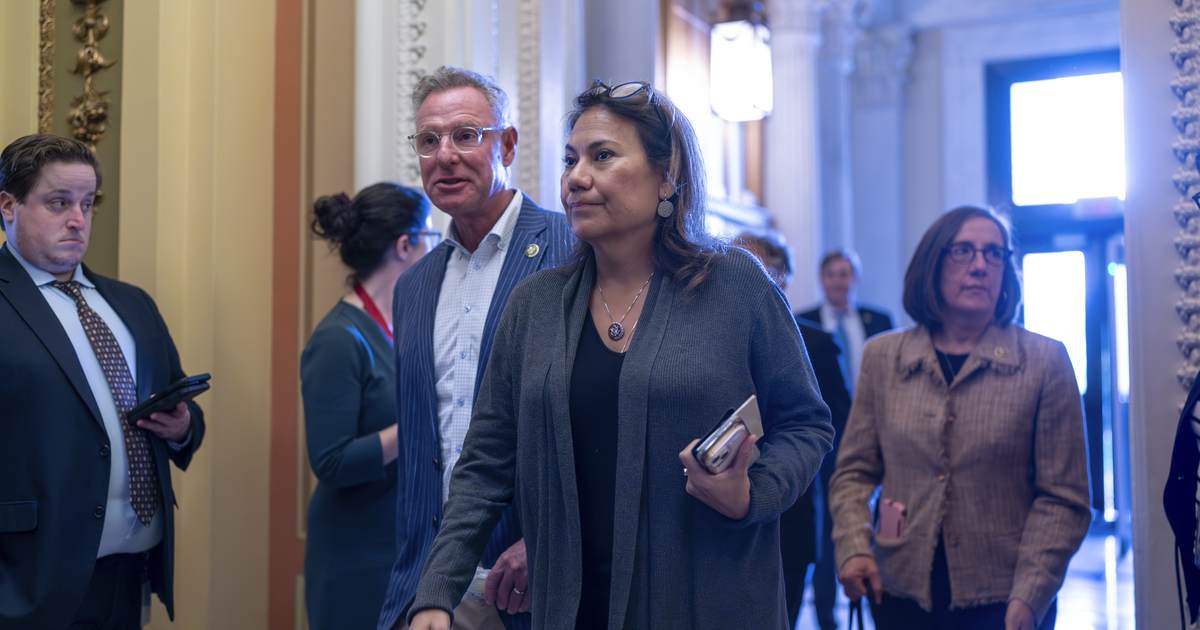
Now, Rep. Veronica Escobar repeated the very same line on Sunday, echoing the incorrect phrasing that triggered the earlier suit. Saying it on a national platform makes the mistake much more visible and, in the view of some legal analysts, more actionable. When an elected official repeats a demonstrably wrong legal claim on television, it invites scrutiny and, potentially, litigation.
Lawyers who watch these exchanges know that repetition matters. If a network was held to account once for an inaccurate claim about the E. Jean Carroll case, a guest who repeats that claim on air can find themselves in the same legal crosshairs. Public officials do not have a free pass to spread false statements that could harm someone’s reputation.
The $15 million paid by ABC was directed to the Trump presidential library project, a detail that keeps this story in the headlines and adds a political sting to the legal settlement. That number and the destination of the funds are part of the public record and sharpen the optics whenever the Carroll coverage resurfaces. For Republicans, the payment is a convenient reminder that media mistakes can carry real financial consequences.
Media outlets and politicians often race to frame headlines for maximum impact, but sloppy shorthand about verdicts and liabilities is dangerous. The E. Jean Carroll litigation involved layered claims and specific legal findings; flattening those into a single sensational sentence does a disservice to viewers. When elected officials copy that shorthand on TV, they reinforce the very misinformation that triggered the legal pushback.
From a Republican perspective, this episode highlights two predictable patterns: first, the left-leaning media groupthink that repeats sloppy narratives; second, Democratic allies who echo those narratives without checking the legal record. That combination can mislead voters and unfairly damage reputations. It also hands the defense a strong opening when the truth matters in courtrooms as well as news cycles.
The practical takeaway is simple: words matter, especially in broadcast settings. Networks have shown they will pay substantial sums to resolve disputes arising from careless reporting, and guests can face reputational and legal risk when they parrot inaccurate claims. Elected officials should expect their statements to be scrutinized and potentially used as evidence of reckless disregard for the truth.
As this plays out, viewers and legal observers will be watching whether anyone presses a formal complaint or suit based on the recent remarks. The prior settlement makes the possibility of follow-up legal action feel more tangible than it might have otherwise. For now, the episode serves as a cautionary tale about the cost of casual inaccuracies on national television.