Israel responded with targeted air strikes after Iran launched a wave of ballistic missiles, and the episode highlighted tense communications between Jerusalem and Washington amid efforts to manage escalation.
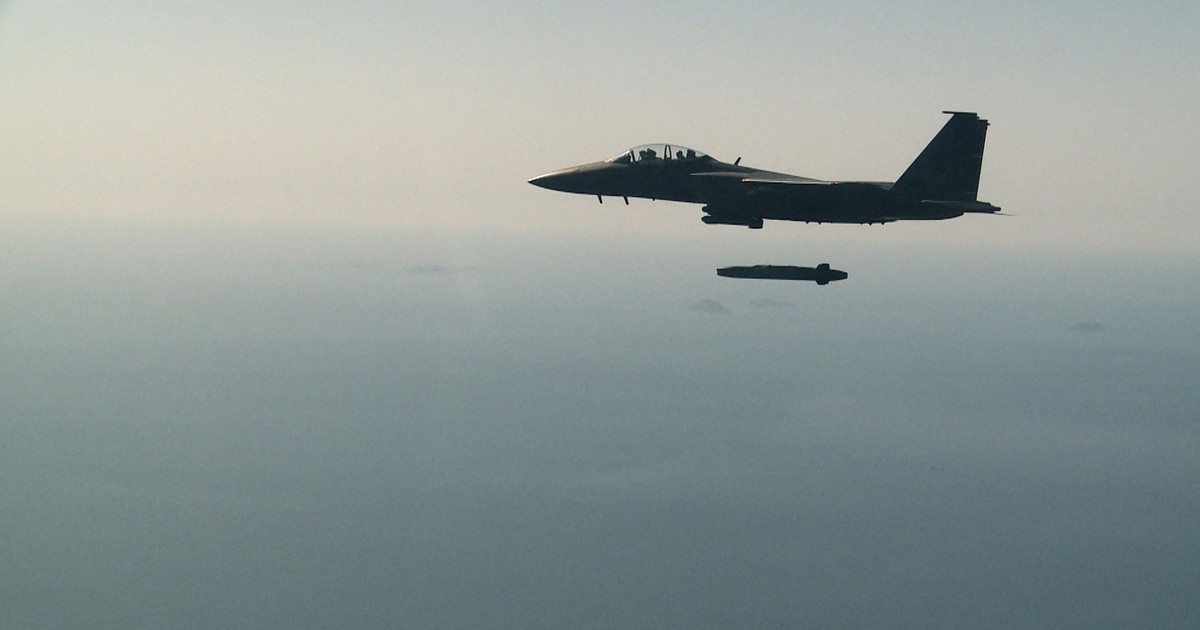
Iran’s Islamic Revolutionary Guard Corps fired multiple ballistic missiles toward Israeli territory, and Israeli forces struck back at missile sites and military positions in retaliation. Israeli officials said the counterstrikes were precise and aimed at degrading the systems used to threaten civilians and bases. The response underlined that Israel will not tolerate direct attacks on its people or its sovereign infrastructure.
The barrage set off warnings across northern Israel as residents sought shelter and authorities tracked incoming threats. The country’s anti-missile capabilities managed to intercept all missiles launched by the IRGC, limiting casualties and damage. That interception record matters; it bought decision-makers time to plan a measured counterstrike rather than a chaotic retaliation.
https://x.com/EricLDaugh/status/2063799824734904812
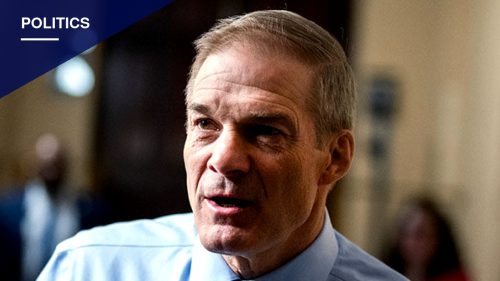
Reports in the wake of the exchange said President Donald Trump phoned Prime Minister Benjamin Netanyahu and urged restraint to allow diplomatic channels to keep working. According to those accounts, Netanyahu initially resisted but ultimately offered a “pseudo agreement.” That phrasing stood out because it suggested a face-saving compromise rather than a full stop to military preparations.
Shortly afterward, Mr. Trump told the Financial Times that “he calls the shots” on U.S. and Israeli action against Iran and that a deal would move forward despite the initial missile barrage. The comment was blunt and unapologetic, the sort of plain-spoken posture many conservatives expect when American and allied security are at stake. Whether that line was meant to reassure or to assert pressure, it framed the U.S. role as decisive in the unfolding events.
It remains unclear if the president later authorized the specific strikes that Israel carried out after their initial conversation with Mr. Netanyahu. What is clear is that Washington and Jerusalem were coordinating under intense time pressure, balancing the need to punish aggression with the risk of broadening the conflict. For Republicans favoring a strong posture, the episode reinforced the idea that enemies test resolve quickly and that forceful deterrence, backed by allied action, is often the most reliable way to prevent worse escalation.