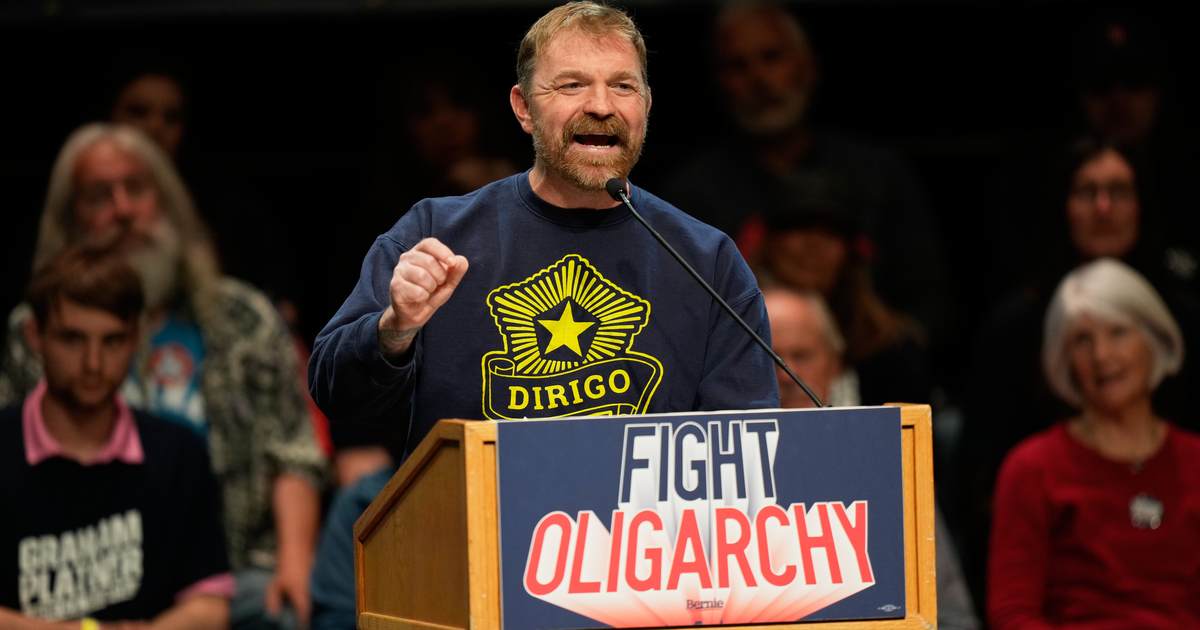
The New York Times ran a damaging profile of Graham Platner that several liberal commentators shrugged off, even as women’s accounts and corroborating details raise serious questions about his behavior and symbols, and Republican readers are watching how Democrats and the press respond.
The Times article lays out multiple allegations that Graham Platner was emotionally abusive to women in his life, and one former girlfriend says a chest tattoo he proudly displayed had ties to Nazi imagery. Those are heavy charges that deserve scrutiny, and the presence of corroborating witnesses makes them harder to dismiss as gossip. Reporting like this should force clear answers, not an exercise in artful burying.
Yet many liberal influencers treated the piece as a non-event, tipping their heads and moving on, which speaks to a different set of priorities. Critics note the most striking excerpts sit deep in the copy, sometimes 15 to 20 paragraphs down, which softens the impact for casual readers. That editorial choice matters because placement shapes outrage and accountability.
Sen. Sheldon Whitehouse (D-RI) reacted as if Platner’s alleged conduct posed no political risk, signaling a willingness to tolerate bad optics when it suits a partisan goal. That’s worth calling out: when power matters more than principle, voters notice, especially in tight races. Remember the time Whitehouse played a role in the Brett Kavanaugh saga and earned the nickname “the ‘boof’ man” in the retelling.
https://x.com/greg_price11/status/2062676555575296112
There’s another comparison that keeps coming up: this current reporting is described by some as corroborated in ways the 2018 Kavanaugh accusations were not. For many observers on the right, that distinction changes the tone of the debate and how institutions should react. If facts line up and witnesses confirm patterns, the standard for response should be higher and faster.
Fairness in coverage cuts both ways, and the media’s handling here has been uneven, mixing damning firsthand accounts with cautious language that dilutes the headline. When an outlet chooses euphemism over blunt detail, it can protect the subject or the institution, depending on incentives. Conservative readers see a pattern where friendly networks and commentators signal that political convenience beats consistent principle.
Reporting also calls attention to details that should be straightforward to explain, like the tattoo claims and the context around them, yet the defenses offered—like the ‘I know nothing’ line about tattoos—do not land as credible. That kind of response feels evasive, and it invites skepticism rather than forgiveness. Voters don’t want evasions, they want clarity.
Oh, and while not the core of the story, Platner has some weird obsession with rape: witnesses describe comments and behavior that made people uncomfortable and raised red flags about judgment and boundaries. Those accounts are jarring and deserve sober attention because they reveal character tendencies beyond campaign rhetoric. This is not a trivial aside; it shapes how people evaluate someone running for office and who will represent them.
The political fallout will play out in Maine and beyond, where campaigns and party leaders weigh electability against ideology. If allies ignore corroborated claims because of a narrow electoral calculus, it will feed a narrative that party loyalty overrides basic standards of conduct. Republicans will press for transparency and for voters to consider whether a candidate’s private conduct matches the public promises they make.
Media institutions also have to reckon with credibility costs when they bury versus broadcast the most consequential lines in a story. If readers conclude outlets decide what matters based on who benefits, trust erodes across the board. That erosion helps no one, and accountability requires clear reporting, not spin or selective emphasis.
At the end of the day, this isn’t just about one profile in one paper; it’s about whether political allies prioritize scandal management over truth and whether the press treats corroborated accounts the same regardless of the subject’s politics. The answers will influence campaigns, voters, and how seriously future allegations are handled in the public square.