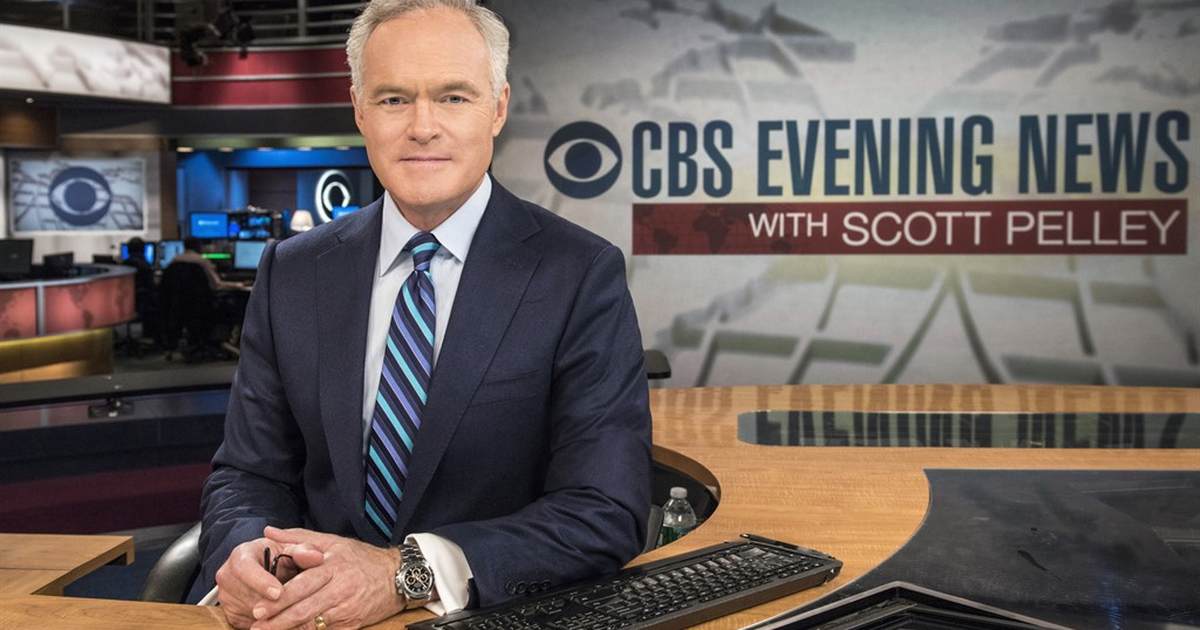
Scott Pelley’s post-firing interview and the fallout around it illustrate the tone and entitlement still driving parts of legacy media.
Scott Pelley’s exit from CBS has become a spectacle of grievance instead of a moment of accountability, and his recent comments to the New York Times only amplified that impression. The interview reads like a classic post-firing pity tour: high emotion, few admissions, and a consistent refusal to acknowledge how audiences see legacy outlets today. For many conservative readers, his posture confirmed what they already assumed about old-line networks.
Pelley directly attacked Bari Weiss, the new editor-in-chief, after she criticized CBS News as biased and out of touch with most Americans. He framed his reaction as righteous indignation, casting the network’s shake-up as a betrayal rather than a necessary correction. That choice to personalize the dispute rather than address institutional failures says a lot about how some media figures handle change.
At one point Pelley compared being fired from CBS to “your spouse being murdered.”
He also insisted that Bari Weiss couldn’t run CBS News, leaning on tone and moral outrage instead of specific rebuttals. That kind of speech — loud, theatrical, and moralizing — plays well in press circles but does little to rebuild trust with viewers who feel ignored. The performance felt aimed more at industry peers than at the people who tune in for straightforward reporting.
https://x.com/CurtisHouck/status/2063680685773042105
The broader pattern is familiar: when legacy journalists face consequences, they cast themselves as victims of a hostile takeover instead of examining how they lost their audience. Media leaders often treat criticism as personal betrayal rather than as a signal that editorial decisions need fixing. That reflex helps explain why many Americans have walked away from old media in favor of outlets they find more accountable and aligned with their values.
After chewing out his bosses, Pelley said that being fired was the “furthest thing from my mind. It hadn’t occurred to me.”
That line captures the disconnect: a newsroom full of people convinced they are indispensable and stunned when leadership decides otherwise. The tone suggests a world where reputations and titles shield professionals from consequences until the market forces them to change. For viewers who have grown skeptical, it looks like the same old insulation from accountability.
Legacy outlets remain defensive about losing influence, and interview moments like Pelley’s only underline why. Instead of showing curiosity about public complaints or demonstrating a willingness to reform, the response from some veterans is anger and self-pity. That posture won’t win back skeptical audiences or the trust of people who want clear, neutral reporting rather than self-justifying narratives.
There’s also a practical toll: when prominent figures treat newsroom changes as existential assaults, it discourages honest internal reckoning. A system that equates criticism with malice won’t correct biases or blind spots, and the result is predictable — audience erosion and political polarization. Conservatives watching this play out see confirmation that many legacy reporters prefer lecturing over listening.
Scott Pelley’s reaction offered a tidy case study in how not to handle a firing if your goal is to restore credibility. Public officials, advertisers, and viewers all notice whether a media organization responds with humility or with theatrical outrage. Right now, the signals are stacked toward the latter, and that keeps fueling the distrust that already shadows big-name newsrooms.