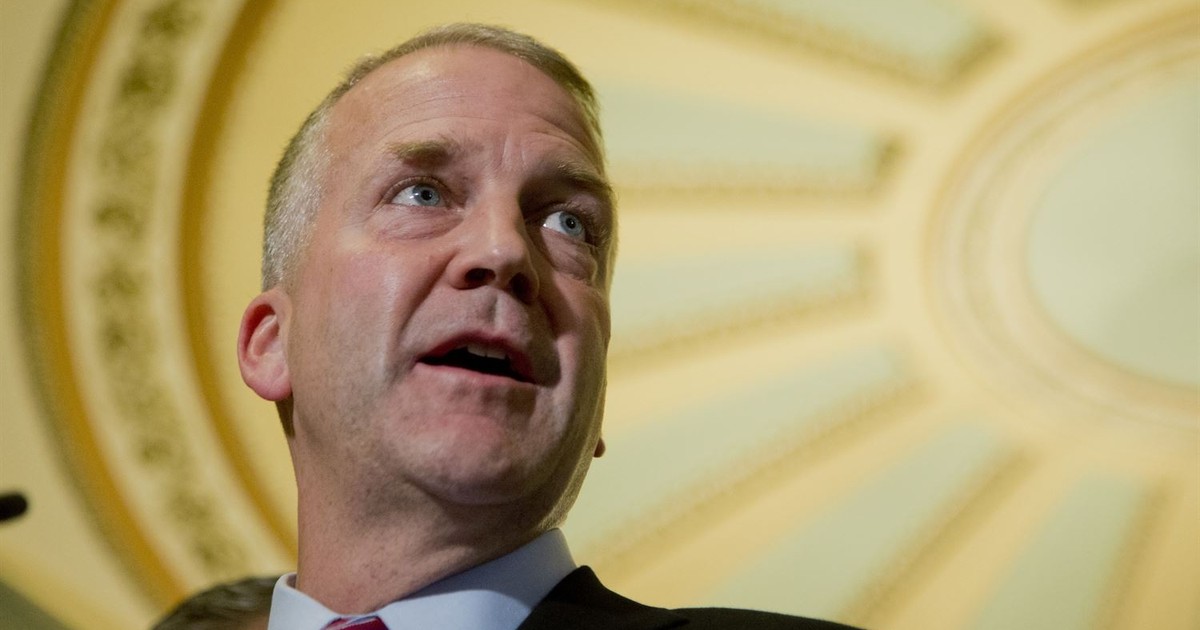
Sen. Dan Sullivan is moving to stop what he calls a deliberate effort to confuse Alaska voters after a Democrat-aligned campaign recruited a candidate using his name and a similar look.
Republican Sen. Dan Sullivan says he will seek legal remedies after reports that U.S. Senate candidate Mary Peltola and national Democrats backed a bogus candidate also named Dan Sullivan. The move, according to the senator and his team, was designed to split or mislead voters ahead of the 2026 contest. This episode has escalated into a legal and political fight over ballot integrity and campaign identity.
Igor Bobic of NOTUS reported earlier today that Sullivan would be seeking legal action against the fake candidate, with Sen. Sullivan stating, “They all orchestrated this on purpose to confuse Alaskans. These guys are purposely trying to trick my constituents to rig, and I don’t use that lightly, rig an election in favor of my opponent.” The senator’s camp is treating the matter as an attack on the democratic process rather than ordinary political theater. That framing has energized conservatives who view the scheme as proof of partisan gamesmanship from D.C. Democrats.
Sen. Sullivan’s team also alleges the recruited candidate copied campaign branding and may have infringed on a trademarked logo used by the senator. Both campaigns reportedly display “Sullivan U.S. Senate” on a blue field with gold stars, creating an obvious risk of voter confusion. Legal counsel for Sullivan is preparing to argue that the similarities go beyond coincidence and are intended to mislead.
https://x.com/igorbobic/status/2061863256617099763?ref_src=twsrc%5Etfw
The alternative candidate’s online presence offers little substantive policy detail, limited to a short biography and a single press release that links to Democratic operatives. A PDF version of that press release identified a political strategist who is a notable supporter of Peltola, raising questions about who is actually pulling the strings. Critics say the empty website and ghostwritten materials underscore the sham quality of the filing and the purpose behind it.
Sullivan campaign spokesman Nate Adams told Townhall that all options are on the table. “Mary Peltola and D.C. Democrats know they can’t win this race on the issues, so they’ve resorted to dirty, dishonest tactics – recruiting a sham candidate with the sole purpose of deceiving voters and manipulating Alaska’s election system,” Adams said. “This blatant attempt to confuse and disenfranchise Alaskans undermines confidence in our elections, and if allowed to stand, will deny voters the honest choice they deserve.
“We are reviewing all of our options and aren’t ruling anything out,” he added. The campaign says it is ready to pursue every available legal remedy, including trademark claims, ballot challenges, and injunctions to remove the sham candidate from the ballot. GOP donors and allied groups have reportedly signaled willingness to back any court fight to preserve a clean contest.
Legal experts note the case will hinge on a mix of campaign trademark law, state ballot rules, and election integrity standards. If Sullivan can show intentional deception, Alaska election authorities or a court could order the bogus candidate off the ballot or require clearer labeling. Even if the court route is drawn out, the public relations damage to Peltola and national Democrats could be immediate.
Beyond the courtroom, this episode spotlights a loophole in how candidates qualify and how their branding is vetted before ballots are finalized. Voters expect clarity, not clever maneuvers that exploit name recognition and design to split an opponent’s vote. Conservatives argue the stunt, if left unchecked, sets a dangerous precedent for future cycles and rewards bad-faith tactics.
The political stakes are high for the 2026 Senate map, where every seat matters to both parties. A protracted legal fight could dominate the news cycle in Alaska and force voters to parse litigation over substance. For Republicans, the priority is preventing a manufactured choice from diluting or distorting the electorate’s will.
Expect Sullivan’s team to file formal action quickly, and for state officials to face pressure to act decisively. This won’t be a simple fight over names, but a test of whether election rules and trademark protections can stop deliberate attempts to mislead voters. Alaska residents will be watching how the system responds when political theater crosses into what some call outright interference.