Arizona voters hit the polls in a messy, high-stakes primary where local drama could reshape November’s ballot and affect the balance in Washington.
It’s Election Day in Arizona and the state’s races are drawing national attention. The most chaotic scene is the first congressional district, where Democrats have spent big and spent it on each other. From a Republican perspective, that infighting hands momentum back to conservatives who want a clear alternative in November.
The Democratic primary in CD1 has turned into what one operative bluntly called a “circus.” Candidates traded heavy spending for personal attacks that diluted any coherent message to voters. That kind of internal damage can be fatal when the goal is flipping a seat in the midterms.
https://x.com/bennpetersen/status/2079617851451699519
On the GOP side, experienced lawmakers and political veterans are jockeying for the strongest ticket to take the field in November. Republicans see an opening whenever the opposition bleeds credibility. If Democrats can’t unite, Republican nominees can run on steady leadership and contrast that directly to the chaos left behind by the primary.
Governor — Republican primary:
- Rep. Andy Biggs
- Rep. David Schweikert
- Scott Neely
- Ken Miceli
The winner will represent the GOP in the gubernatorial race in November. Gov. Katie Hobbs is running uncontested on the Democratic side.
Attorney general — Republican primary
- State Senate President Warren Petersen
- Rodney Glassman
The winner will face Democratic incumbent Kris Mayes in the general election.
Congressional District 1 — Republican primary
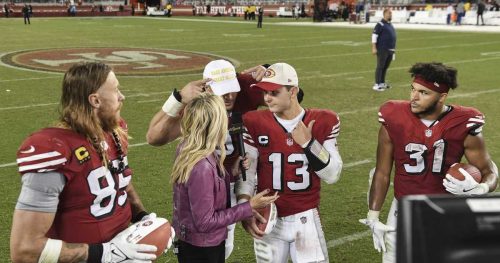
- Former Arizona Cardinals kicker and football analyst Jay Feely
- Joseph Chaplik
- John Trobough
Congressional District 1 — Democratic primary
- Marlene Galán-Woods
- Former state Rep. Amish Shah
- Rick McCartney
- Jonathan Treble
For the governor’s race, the GOP field includes two well-known representatives and a couple of challengers looking to break through. Republicans are framing the choice as who can best hold the line against Democratic priorities from Phoenix to Washington. With Gov. Katie Hobbs unopposed on her side, the primary winner will carry the full weight of the party into a critical fall campaign.
The attorney general primary is another strategic fight. State Senate President Warren Petersen brings institutional experience, while Rodney Glassman runs on an outsider pitch. Whoever wins will immediately shift into general election mode against Kris Mayes, and that matchup promises to center on law and order, border enforcement, and state authority versus federal overreach.
In Congressional District 1, the Republican and Democratic primaries could not look more different. Republicans have a mix of public figures and local officeholders who are campaigning on clear conservative themes. Democrats, by contrast, spent heavily tearing into each other and left voters asking what they stand for beyond intra-party squabbles.
National implications are real: control of the House is on the line and every pickup or hold matters. Democrats hoping to flip the chamber can’t afford to field nominees who are bruised from a family fight. It’s one thing to battle in a primary and another to hand your opponent a November argument built on chaos and poor judgment, a result that might echo a cautionary historical note about costly victories that come at too high a price like King Pyrrhus when he invaded southern Italy during his war with the Romans.
Voters and observers should watch turnout and the margins in the more competitive primaries for clues about November. Low turnout can magnify the influence of the most aggressive camps and reward extreme messaging. A disciplined Republican operation will look for those signals and move quickly to frame the general election contrast.
The polls have closed. Track the results here: