The British Citizen Award controversy centers on a recipient whose public image clashes with common ideas of women’s empowerment, sparking a wider debate about culture, religion, and immigration in the West.
The British Citizen Award (BCA), also known as “The People’s Honours,” is given to “everyday people” who show selflessness, courage, or perform “extraordinary service” in their communities. It is meant to celebrate neighbors who step up, but this year’s selection list includes choices that many find jarring. That tension between intent and perception is what has made this particular award pickup so contested.
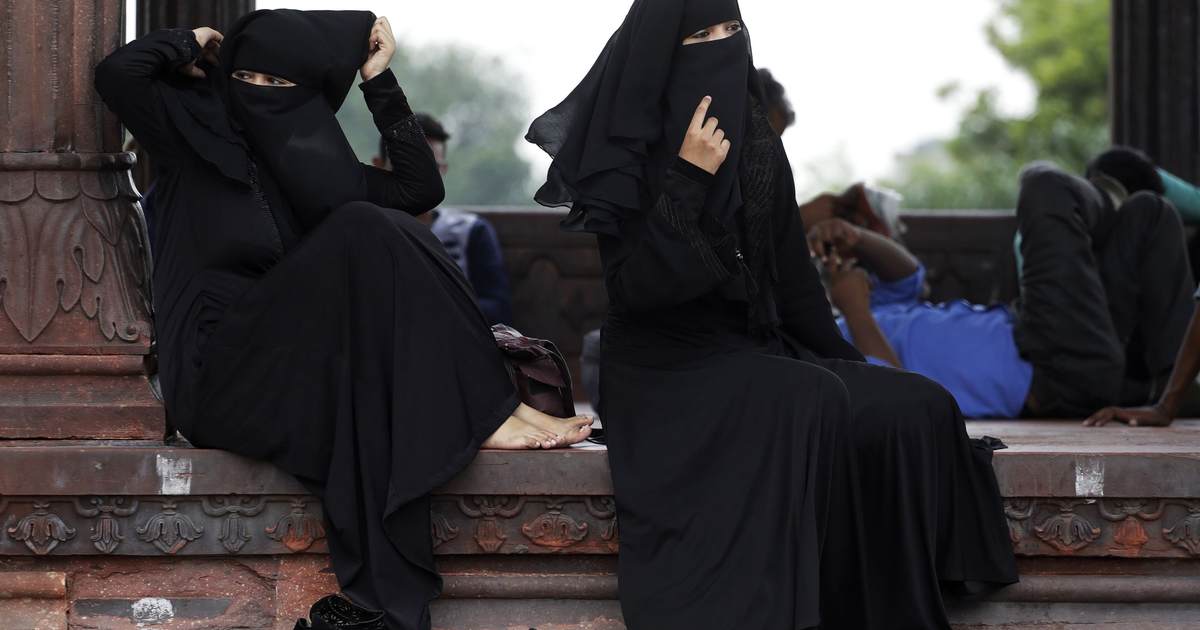
One of the recipients this year is Khadija Patel, who got the BCA for “empowering young women.” Patel appears in a full burqa with her eyes barely visible, and that image has provoked immediate pushback. The sight of a woman fully veiled standing as a symbol of empowerment sits uneasily with many observers in Britain and beyond.
How is this empowering women?
https://x.com/TRobinsonNewEra/status/2081824713668698523
Critics point out that organizations like the Muslim Brotherhood are actively working to expand Sharia influence across parts of Europe, and those efforts are not abstract. An Islamic preacher in Germany has reportedly said that if Sharia law takes hold there, practices like stoning adulterous women would be enforced. That kind of rhetoric fuels real fears about legal and cultural regression.
There are also troubling legal and social cases across Europe that feed the controversy. Remember: being raped is also considered adultery in Islam by some interpretations, and many European countries—the UK chief among them—have struggled with violent criminal networks described as Islamic rape gangs. Those failures to protect victims and to integrate migrants responsibly sharpen the debate about who we honor and why.
For many critics the symbolism goes further than criminal headlines. In places where strict Sharia is common, girls face genital mutilation, restricted schooling, and severe limits on work and medical care. Women may be barred from seeing male doctors or pursuing paid professions in environments where strict gender rules dominate daily life.
That slide in rights and freedoms is what opponents warn could spread if those advocating for hardline religious codes gain political ground. “Destroying the West,” some commentators say, is not hyperbole to them but a description of cultural erosion they fear is underway. A very big problem, in their view, is the slow normalization of symbols and practices that undermine liberal norms.
“The award for “empowering young women” (empowering young women) was presented to a person who voluntarily covers her body and face, in an outfit that in many cultures symbolizes precisely the opposite – male control and the subjugation of women,” the post reads. That exact phrasing has been repeated across social platforms and conservative outlets as a straightforward critique. It is the kind of hardline language that crystallizes the clash between cultural values.
Supporters of the honoree argue that judging a woman’s choices from the outside is unfair and that empowerment can take many forms within different communities. Opponents answer that public honors should reflect and reinforce the values of an open, free society—where visible signs of female autonomy matter. This disagreement is now playing out loudly across British politics and media.
From a Republican viewpoint, the core issue is simple: public recognition should not blur the line between honoring service and validating practices that run counter to Western liberty. Those who argue for tighter immigration controls and clearer assimilation standards see this as another example of cultural accommodation gone too far. Until policies ensure newcomers share basic commitments to individual rights, controversies like this will only deepen.
The BCA selection has become more than a ceremony; it is a mirror showing unresolved tensions about identity, security, and the future of civic culture. People on all sides want safer streets, the protection of women and girls, and clarity about what national honors stand for. Debates like this will continue to shape how Britain—and other Western democracies—choose who gets celebrated in public life.