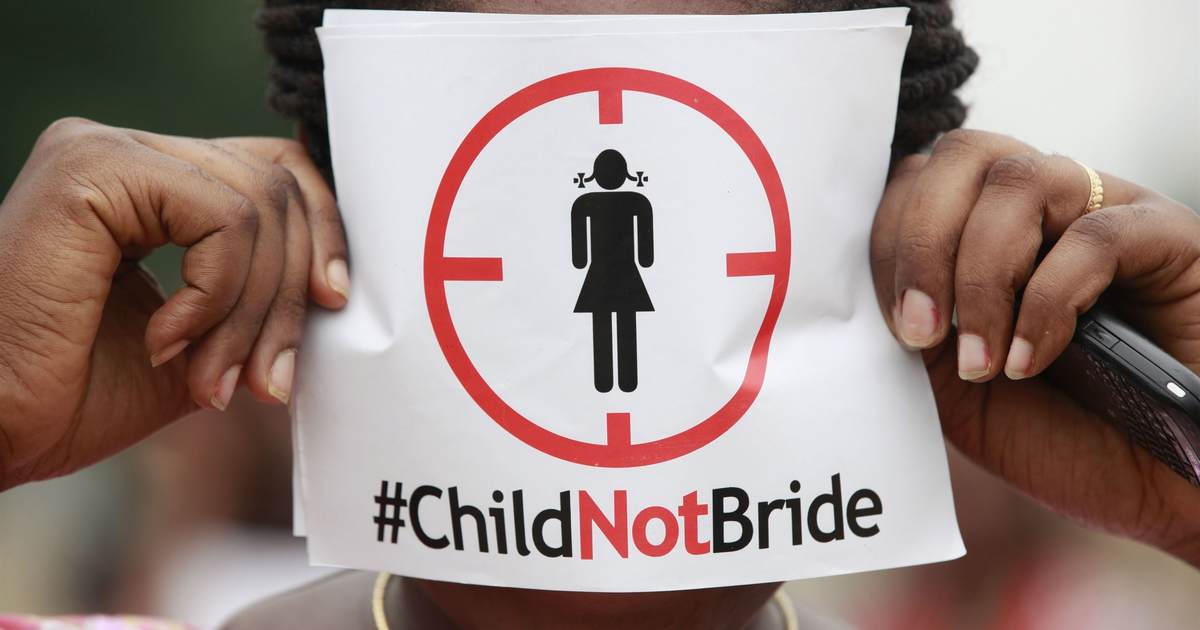
Activists are asserting that climate change is a major driver of child marriage in some regions, a claim that critics say stretches evidence and masks deeper cultural, religious, and economic causes while creating funding opportunities for NGOs and political narratives for the Left.
Environmental campaigners have recently linked extreme weather and food insecurity to earlier marriages in vulnerable communities, and the claim has moved from op-eds into fundraising pitches. The argument often pairs a vivid anecdote with a global statistic to make the case emotionally compelling. From a conservative perspective, this shift looks like another example of issue inflation—turning a real problem into a tool for policy and donor grabs.
The story about Runa, a teenage girl in Cox’s Bazar, is used to personalize the claim and drive urgency for interventions. Activists say cyclones, floods and lost livelihoods push families toward forced or early marriages as a survival tactic. Those anecdotes get amplified into sweeping statements about climate change being a leading contributor to child marriage.
Here’s the text activists have been quoting back and forth:
https://x.com/DrDemography/status/2075349904772497496
Runa was 15 when she married a man she had never met.
Cyclone Remal had ripped through her camp in Bangladesh’s Cox’s Bazar region, killing her family’s chickens and ducks, which were the source of both their food and income.
Runa’s mother, who had become the sole income earner after her husband died a year earlier, then lost weeks of labouring work due to the natural disaster.
She could no longer financially support Runa, now 17, and her three brothers.
Twelve million girls are tipped to become child brides this year, according to Plan International.
Child marriage is a global problem across cultures and religions.
It is often inherently linked to gender inequality, poverty, food insecurity, and social norms and practices, including family honour and dowry payments.
Climate change is now believed to be a leading contributor to more frequent and younger nuptials.
That passage mixes an individual tragedy with statistics and a broad causal claim, and the leap from one cyclone to global trends is worth unpacking. Poverty, patriarchal social structures, local custom and, yes, certain religious practices play massive roles in why child marriage persists. When activists foreground climate as the primary driver, they flatten a complex set of causes into a single, media-friendly narrative.
There is a political angle here that can’t be ignored. Some commentators point out that the claim conveniently redirects attention away from cultural factors and toward policies that expand donor funding and government programs. It frames charitable spending and climate aid as the immediate remedy, rather than targeted legal, educational and cultural reforms.
That rhetorical maneuver has consequences. If the dominant public story becomes climate as the culprit, then governments and NGOs will prioritize climate adaptation money and disaster relief in places where the underlying issues are legal protections and cultural change. Money flows where the narrative directs it, and narratives are shaped by the organizations that benefit.
People on the Right argue this is predictable: the Left spotlights a new causal thread, then amplifies it to justify expanded programs and spending. Critics call it grifting in the sense that it monetizes humanitarian shock for organizational growth. Whether you use that label or not, the effect can be similar — more funds, more influence, but not necessarily smarter, harder solutions.
There’s also a charge of intellectual inconsistency at play. Pointing at religion or culture as a cause is risky politically, so some activists avoid that line and instead emphasize environmental or economic drivers. But refusing to name cultural or religious practices that clearly play a role is not neutral; it is a political choice that shapes what gets fixed and how.
Many conservatives see a double standard when critics hurl labels at Republicans while soft-pedaling uncomfortable truths about other societies. The resulting debate becomes less about ending abusive customs and more about scoring points in an ideological struggle. That dynamic benefits neither the girls affected nor anyone serious about effective solutions.
Donor fatigue and habit also matter. NGOs and activist groups compete for finite attention and funding, so the most media-friendly storyline wins. Climate as a cause checks boxes for wealthy, sympathetic audiences who already fund green work, and that can steer resources away from legal reform, education, and local empowerment programs that would more directly reduce child marriage.
In short, the climate claim deserves scrutiny on its own merits and as part of a larger political marketplace for narratives. Real, durable progress on ending child marriage will require confronting cultural practices, strengthening law enforcement, increasing educational access, and supporting legitimate local solutions. Until those fundamentals are the priority, the headlines will keep spinning and money will keep following the loudest story.