A pair of House members from opposite sides of the aisle have introduced a bill to bar the use of campaign money and legal-defense funds to fight or settle sexual misconduct claims, spotlighting recent examples where donor dollars covered high-priced legal defenses.
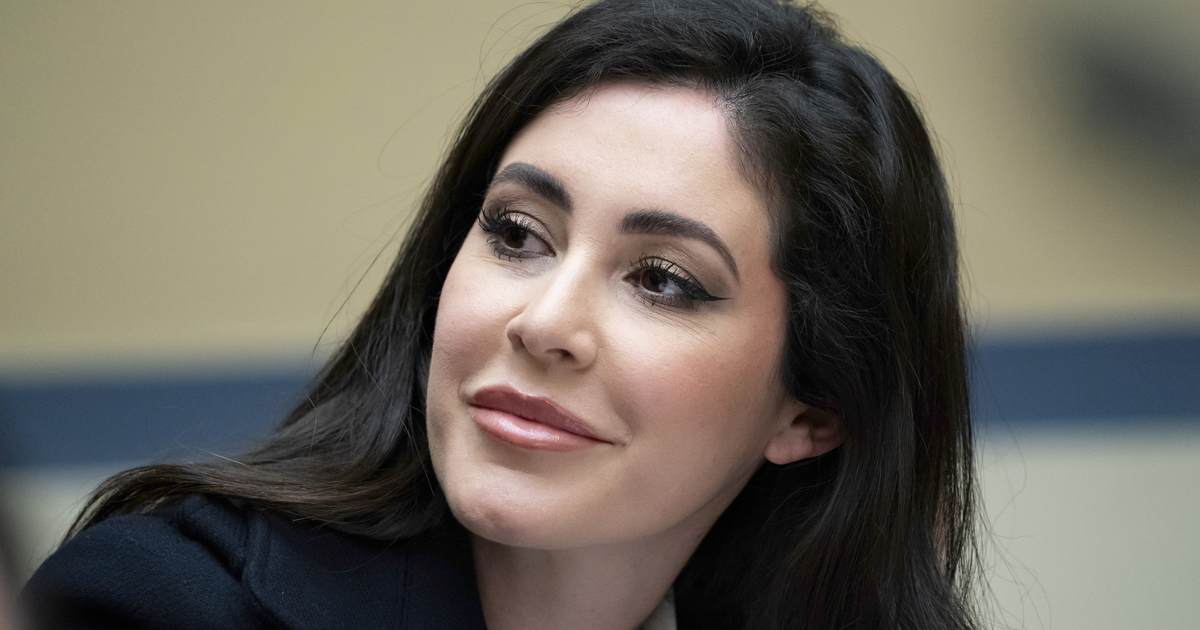
Two lawmakers, Rep. Ro Khanna and Rep. Anna Paulina Luna, teamed up to offer legislation that would stop federal politicians from using campaign or special legal funds to handle claims of sexual assault, sexual abuse, or sexual harassment. The move comes after a string of high-profile cases where public officials used donor money for legal fees and settlements, raising fresh questions about accountability and the ethics of campaign fund use.
Khanna framed the problem bluntly, arguing that the current setup shelters bad behavior. He said, “That creates this culture of impunity where people think they’re untouchable.” That line captures the central complaint driving the proposal: campaign coffers acting as a private safety net for elected officials rather than a resource for campaigning.
Luna made the point from a constitutional and moral angle, insisting elected officials shouldn’t be using public-facing fundraising tools to shield themselves. She said, “It is not what the Founding Fathers intended for members of Congress,” and “It’s a perversion of the system.” The bill limits use of donor funds for legal bills tied to sexual misconduct claims, and it would bar payments for settlements, judgments, or hiring private investigators to go after accusers, with reimbursement allowed only if the official is found not liable.
The sponsors argue the change is straightforward enforcement of common-sense norms: campaign donations are for campaigning, not for legal protection from personal misconduct. Khanna accused some committees of weaponizing their war chests against survivors, saying “In most of the cases, they’re being used to smear survivors.” That allegation has roiled conversations about who pays for legal defense when allegations of sexual wrongdoing surface.
https://x.com/RepRoKhanna/status/2082140576443404410
One of the most cited examples in recent weeks involves former Representative Eric Swalwell, whose campaign reportedly paid more than $300,000 to one attorney while he faced multiple accusations. Filings show more than $250,000 was paid between April 19 and May 16 for entries described as campaign legal compliance work, and an additional payment of about $50,000 was made on April 9, all raising alarms for critics who say donor funds were used inappropriately.
The attorney named in filings, Sara Azari, is advertised as a high-profile defense lawyer for sexual misconduct and #MeToo cases, which has only amplified scrutiny of the spending. Public figures who set up legal defense funds or dip into campaign accounts to cover private legal issues are now under fresh pressure from both sides of the aisle to explain those choices and to support reforms that would close the loophole.
Other lawmakers have taken similar steps recently; Senator Ruben Gallego, for instance, reportedly set up a legal defense fund amid an ethics inquiry tied to allegations of sexual misconduct. Those moves have fueled debate about whether legal-defense accounts and campaign committees are being used to insulate elected officials from consequences instead of facing accountability in the normal legal or ethical processes.
Voices from outside the House also weighed in, with former California Controller Betty Yee saying plainly, “Campaign funds should never be weaponized to intimidate, threaten, or silence alleged victims.” She added, “Swalwell should pay for his legal defense using personal funds.” That sentiment captures the broader frustration among voters who expect elected leaders to shoulder personal liability rather than offloading it onto contributors and supporters.
Whether this bill clears either chamber is uncertain, and supporters know the vote will reveal where members stand on campaign-finance boundaries and survivor protections. For now, the proposal has forced an uncomfortable but necessary conversation about how donor money gets used and who ultimately bears the cost when allegations of sexual misconduct hit Washington figures.