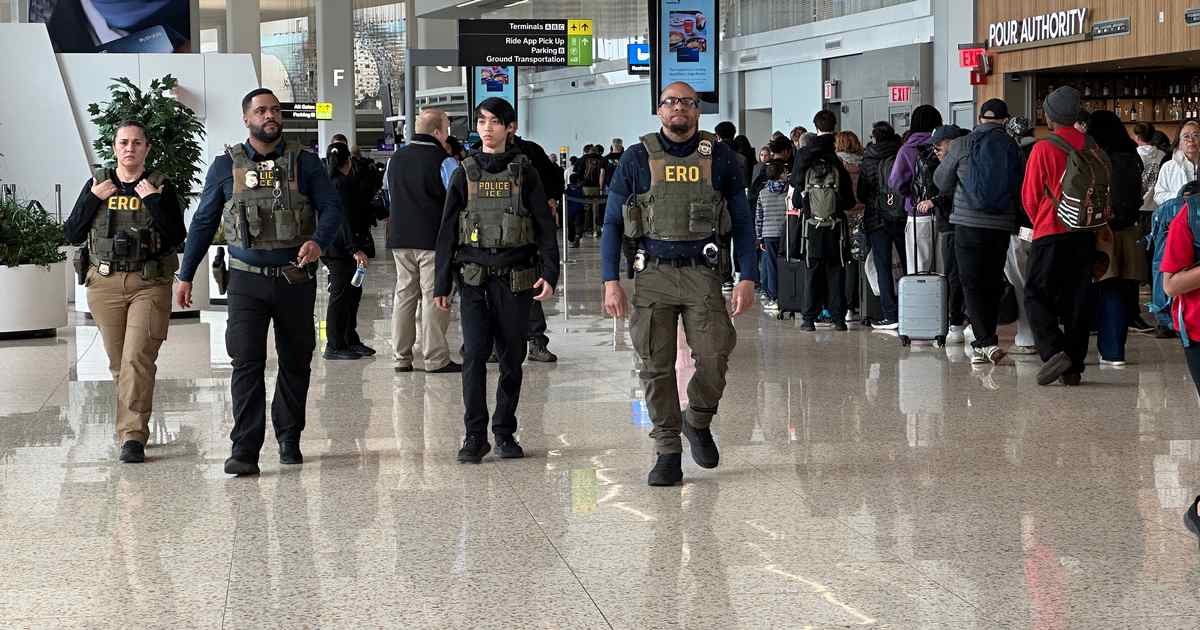
The Department of Homeland Security publicly rejected a New York Times story that claimed the FBI would stop probing clashes involving immigration agents, insisting the FBI will continue investigations and that assaults on federal officers will be prosecuted.
The Department of Homeland Security pushed back hard Sunday after a New York Times piece suggested federal investigations into altercations with immigration personnel were being curtailed. DHS took to X to make a blunt correction, stating the relationship with the Justice Department and the FBI has not changed. That direct rebuttal matters because it comes from the agency actually responsible for protecting borders and personnel.
In its X post DHS wrote: “This is FALSE,” DHS wrote in a post on X. “The relationship between DHS and @TheJusticeDept in investigating assault on federal officer cases has NOT changed, and @FBI will continue to investigate in accordance with agency policy. This administration has been clear, anyone who assaults law enforcement will be prosecuted to the fullest extent of the law.” The statement left no wiggle room and put the FBI squarely back in the picture. For anyone worried about weakening oversight of those who protect the border, that clarity is welcome.
The Times reported managers were told investigations would shift to Homeland Security Investigations, which is part of Immigration and Customs Enforcement. If true, that move would have transferred reviews to an agency under the same umbrella as the personnel being investigated, narrowing independent scrutiny. That kind of internal consolidation raises obvious conflicts of interest and leaves citizens wondering who is policing the police.
These allegations arrived just as the country was absorbing two high-profile lethal encounters tied to immigration enforcement. On July 7, ICE officers in Houston attempted a traffic stop during an enforcement operation and say the driver tried to flee and ram an ICE vehicle. Officials described the driver, Lorenzo Salgado Araujo, as an illegal alien from Mexico who allegedly “attempted to evade arrest,” refused multiple verbal commands, and “weaponized his vehicle in an attempt to run over an ICE law enforcement officer resulting in our officer firing his weapon in self-defense.”
https://x.com/DHSgov/status/2078964632958410807
Araujo later succumbed to his injuries at the hospital, and officials say he was not the intended target of the operation. That outcome underscores how dangerous enforcement work can be and why clear, independent investigations matter for the public to trust results. When the facts are messy and the press rushes to frame a narrative, law enforcement and the public both lose.
Less than a week after Houston, agents in Maine were involved in another shooting during surveillance of a person with a final order of removal. Authorities reported the subject left a residence in a vehicle, attempted to flee when agents tried to stop the car, and an officer discharged his weapon out of concern for public safety. Two such serious incidents in quick succession make the investigative process more than academic — they are about accountability and whether officers acted appropriately in split-second decisions.
From a conservative perspective, the bigger worry with the original Times framing wasn’t only the supposed policy change. It was the pattern of media-driven pressure to hamstring agents who are trying to maintain order at the border and enforce immigration laws. Journalists and activists often demand reduced enforcement while still demanding investigations when something goes wrong, a double standard that weakens frontline efforts to secure the country.
At the same time, no one should cheer unaccountable force. Republican voices insist on both backing law enforcement and insisting on transparency when incidents occur. That dual approach demands independent, competent probes that preserve public trust and ensure officers who acted unlawfully are held responsible while protecting those who acted in self-defense during dangerous encounters.
Practical steps lawmakers should watch for include preserving external oversight mechanisms and resisting any changes that consolidate investigative authority within agencies responsible for the personnel under review. Clean lines of responsibility and clear policy make both accountability and morale possible for agents who face life-and-death choices. The public deserves investigations that are seen as fair, not ones that look like a closed loop of insiders clearing insiders.
As this story continues to develop, expect political pressure and media narratives to intensify, especially around high-profile shootings tied to immigration enforcement. That dynamic makes it all the more important for officials to be explicit and for Congress to demand records and transparency where appropriate. Citizens should follow the facts and demand both law and order and honest, independent review when enforcement actions result in harm.