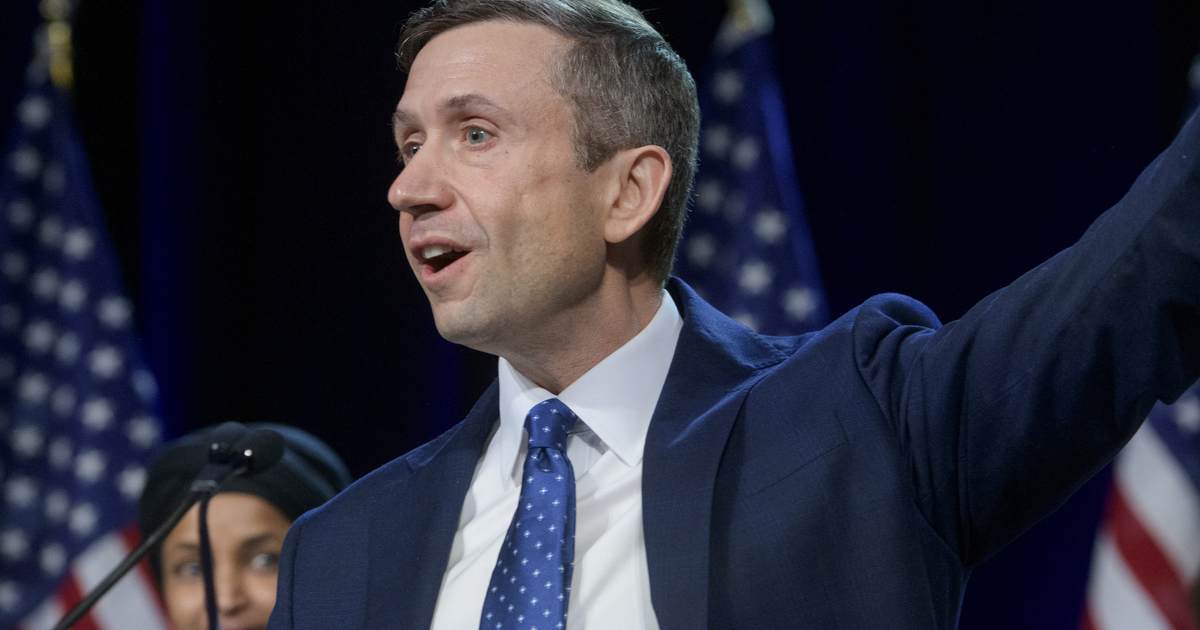
The Democratic National Committee lost nearly $29,000 to a fraudster who impersonated Chairman Ken Martin, recovered only about $7,000, and has since faced scrutiny amid broader financial strains including a $15 million mortgage on its headquarters and just $16 million in cash heading into the midterms.
The scam unfolded in February 2025 when someone claiming to be the newly installed chairman emailed a DNC staffer and convinced them to move funds, a mistake that was discovered within minutes but not before nearly $29,000 left the party’s accounts. Democrats managed to claw back roughly $7,000, leaving a significant shortfall that feeds into a larger picture of organizational strain. The staffer who authorized the payment is no longer employed by the DNC, a detail that quietly underscores internal consequences for the error.
“The DNC takes seriously our duty to protect the funds provided to us by millions of patriotic Americans chipping in to fund our mission,” spokesperson Mia Ehrenberg told NOTUS in a statement. “This was a one-off mistake that was promptly caught and addressed, and no similar issues have occurred since.” Those words are meant to reassure donors, but they sit against a backdrop of real fiscal moves that tell another story. When leadership must publicly insist this was isolated, voters and donors naturally ask why processes let the mistake happen at all.
https://x.com/NewsWire_US/status/2082207787774316968
The episode arrives as the party has taken steps to shore up its finances, including mortgaging its Washington, D.C. headquarters with a $15 million loan, according to reporting on the matter, and reporting that it has about $16 million in cash available as the midterm season begins. For any political organization, having to tap property and lean on loans is a signal of stress and a distraction from core mission work. Republicans watching this see it as validation of consistent fundraising muscle and campaign discipline that has put them ahead in the bank accounts that matter on Election Day.
Republican operatives point out that the GOP’s advantage in fundraising and redistricting gives it a practical edge heading into November, and this fraud story only enlarges that perception for critics. Financial missteps, no matter the amount, become magnified in tight electoral cycles because every dollar lost is a dollar not spent on outreach, ad buys, or get-out-the-vote operations. In that sense, a seemingly small scam underlines how operational lapses can ripple outward, affecting competitiveness on the ground and the broader narrative about who can run a campaign effectively.
From an organizational standpoint the facts are plain: a staffer received an email, followed instructions that appeared to come from a senior leader, and executed a payment that later proved fraudulent; the party recovered a portion of the money and parted ways with the employee involved. Those are the administrative realities that party officials have to manage while simultaneously answering tough questions from donors and the press. Losing funds to fraud emphasizes the need for rigid checks, approval workflows, and verification steps—anyone with experience in finance or operations can point to how a single missed control can lead to material loss.
Politically, this is the sort of story that feeds a broader critique from the right about how Democrats handle resources and priorities when in the thick of national campaigns. Observers on the GOP side will say the episode confirms a pattern of sloppy management and reinforces why donors and volunteers gravitate toward organizations that show steady fiscal governance. Republicans argue that fundraising strength is not just about volume but about stewardship and the confidence that money will be spent wisely and securely.
Still, the technical specifics matter: the fraud occurred swiftly, response teams moved quickly enough to salvage part of the money, and leadership publicly acknowledged the error with that exact statement from Mia Ehrenberg. Those details help frame the incident not as some insurmountable calamity but as an avoidable breach that exposed weak spots. For parties of every stripe, the takeaway should be procedural: tighten approvals, verify requests for transfers, and train staff to treat any unexpected directive as suspect until proven otherwise.
What remains to be seen is how much political damage the incident truly causes versus how much it fuels talking points about competence and cash management ahead of a pivotal election season. With Republicans reporting strong fundraising and structural advantages, stories like this reinforce a narrative the GOP is already pushing, even if the DNC insists this was a one-off. The practical fallout will show up not in headlines alone but in whether donors lose confidence and whether party leadership changes how it safeguards campaign resources going forward.